

Fast-Growing Vegetables for Containers
These fast-growing vegetables for containers deliver harvests in 10-30 days—even on tiny balconies. Get our container size guide, soil secrets, and the 10 fastest crops to grow. Transform your space into a food source today!
Here’s the thing about fast-growing vegetables for containers—they’re basically the instant gratification of the gardening world, and honestly? We could all use a little more of that.
If you’ve got a balcony, a sunny windowsill, or even just a corner of your patio, you can grow actual food faster than you’d think. We’re talking weeks, not months. No sprawling backyard required.
This guide breaks down everything you need to know about growing fast-growing vegetables for containers, from choosing the right pots to harvesting your first radishes before your friends even get their seeds in the ground.
Table of Contents
Why Containers Actually Beat Garden Beds (Yeah, Really)
Okay, I know what you’re thinking—how can a pot outperform an actual garden? But hear me out.
Container soil warms up way faster in spring. Those elevated pots soak up heat like nobody’s business, getting your root zone 5–10°F warmer than ground soil. Your seeds wake up faster, and everything just goes.
The drainage situation is chef’s kiss. Soilless potting mixes keep oxygen flowing to roots way better than that compacted dirt in your yard. According to research from Oregon State University Extension, better root respiration means your plants can actually breathe, which speeds up nutrient uptake like crazy.
You dodge most soil diseases. No fusarium, no verticillium wilt—just clean growing medium and happy plants.
You’re the irrigation boss. Too wet? Too dry? You control it all, which means no growth-stunting stress from Mother Nature’s mood swings.
Season extension is built-in. Cold snap coming? Just scoot your pots inside or move them to that sunny corner. You’re basically playing SimCity with vegetables.
Setting Up Your Containers for Speed (The Actual Important Stuff)
Let’s talk about the best vegetables for pots and how to set them up right, because size absolutely matters here.
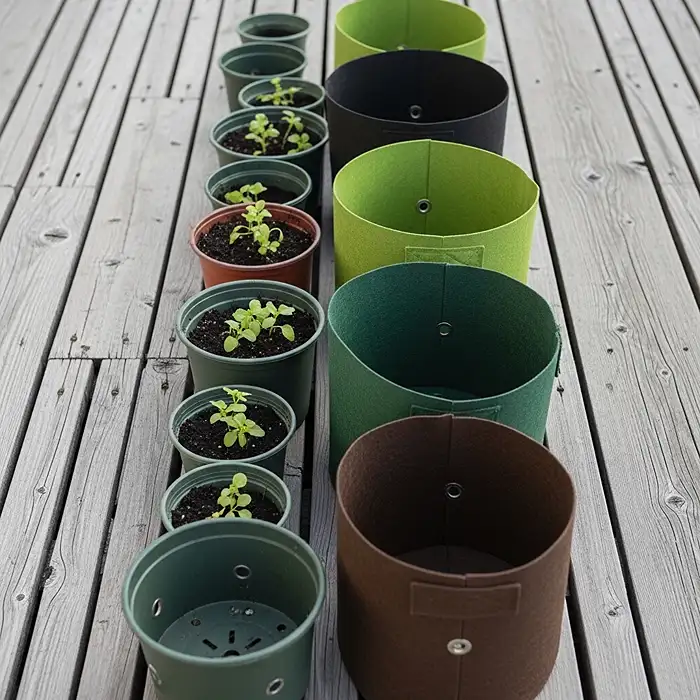
Container Size: Don’t Cheap Out on This
Your plant’s roots determine everything. Seriously—everything.
- Microgreens: Those shallow trays (2–3″ deep) you see everywhere
- Leafy greens: 1–2 gallon pots, 4–6″ deep
- Radishes: 1–2 gallons, but go 6–8″ deep
- Peppers: 5 gallons minimum (they’re divas about space)
- Tomatoes: 10–15 gallon pots, 12–18″ deep
Skimping on container size is like trying to wear shoes two sizes too small—sure, you can, but why would you? Undersized containers will delay your harvest by weeks.
If you’re just starting out with container growing, check out our full guide on the best vegetables for container gardening for even more options.
The Soil Mix That Actually Works
Here’s your formula: two parts potting mix, one part compost. That’s it.
This combo drains fast but holds just enough moisture and nutrients to keep things moving. The fluffy texture stays loose even after dozens of waterings.
Do NOT use garden soil in pots. I cannot stress this enough. It’s too dense, it compacts, and it’ll basically suffocate your roots. Not the vibe we’re going for.
Skip the Rocks at the Bottom (Seriously)
I know your aunt swears by gravel at the bottom of pots, but it’s actually making things worse.
That rock layer creates what’s called a perched water table—water just sits above it instead of draining through. Physics is weird like that. You end up with soggy roots sitting in water, which is the opposite of what we want.
Just use the same potting mix all the way through. Your roots will thank you.
The 10 Fastest Vegetables You Can Grow in Pots
Let’s get to the good stuff—what to actually plant for fast-growing vegetables for containers.
The “I Have Zero Patience” Crops (10–30 Days)
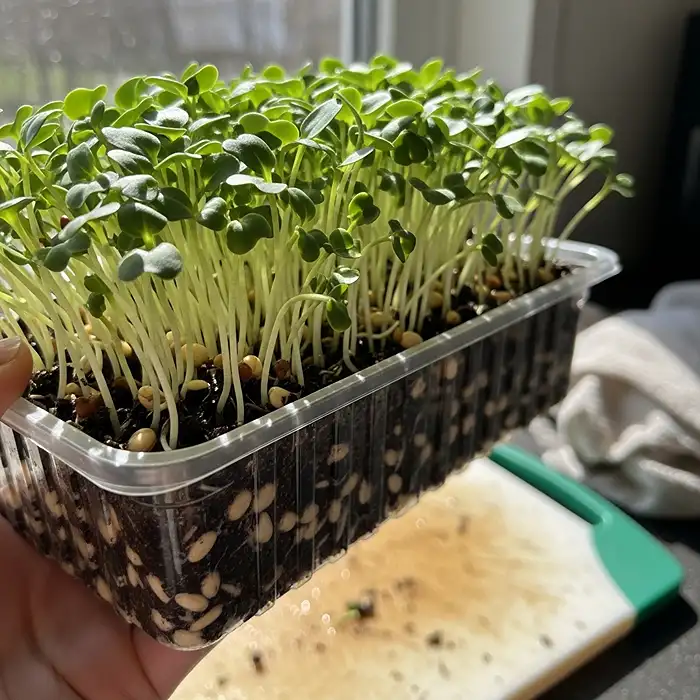
Microgreens are hilariously fast.
We’re talking 14–21 days from seed to salad. Sunflower shoots, radish greens, pea tendrils—they all grow in shallow trays and taste way fancier than the effort required. Perfect for showing off to dinner guests.
Radishes are the gateway vegetable.
‘Cherry Belle’ and ‘French Breakfast’ radishes mature in 22–30 days. They need 6–8″ of depth and steady water (not too much, not too little—they’re Goldilocks plants). Keep the moisture consistent or they’ll split or get woody and sad.
The “Pretty Dang Quick” Greens (30–45 Days)
Baby lettuce is your cut-and-come-again bestie.
Plant ‘Little Gem’ or any looseleaf blend in a shallow 6–8″ container and start snipping leaves in 30–45 days. The best part? It keeps growing back for weeks. It’s like the gift that keeps giving, but actually useful.
Arugula has that peppery kick.
25–40 days to harvest, loves cool weather, and only needs 6″ of soil depth. Plant it in spring or fall when temperatures are chill (literally), and you’ll get the best flavor.
Spinach is clutch for shady spots.
Ready in 35–45 days and actually likes partial shade. If your balcony doesn’t get blasted with sun all day, spinach is your plant. Just keep the soil consistently moist—not soggy, but not dust-dry either.
Bok choy for compact growing.
Baby-sized bok choy in 30–45 days? Sign me up. Compact varieties fit nicely in pots and don’t need excessive feeding. Plus, you get tender greens and crunchy stems, so it’s basically two vegetables in one.
The “Worth the Wait” Fruiting Crops (50–70 Days)
Determinate tomatoes for small space gardening that actually produces.
‘Tiny Tim’ and ‘BushSteak’ give you real tomatoes in 55–70 days. They stay compact (no jungle vines taking over), but you need those 10–15 gallon pots and consistent feeding. They eat like teenage boys during a growth spurt.
Bush cucumbers are the overachievers.
‘Picklebush’ and ‘Spacemaster’ pump out cukes in 50–60 days. Compact vines, simple trellis, massive productivity. You’ll be making pickles whether you planned to or not.
Peppers bring the heat (or sweetness).
‘Sweet Banana’ peppers in 60–70 days, but you need at least 5 gallons and consistent watering. They’ll drop their blossoms if you let them get too stressed, which is basically them throwing a tantrum.
Watering Without Overthinking It
Let’s make this simple, because watering is where most people mess up with fast-growing vegetables for containers.
The Finger Test (Very Technical)
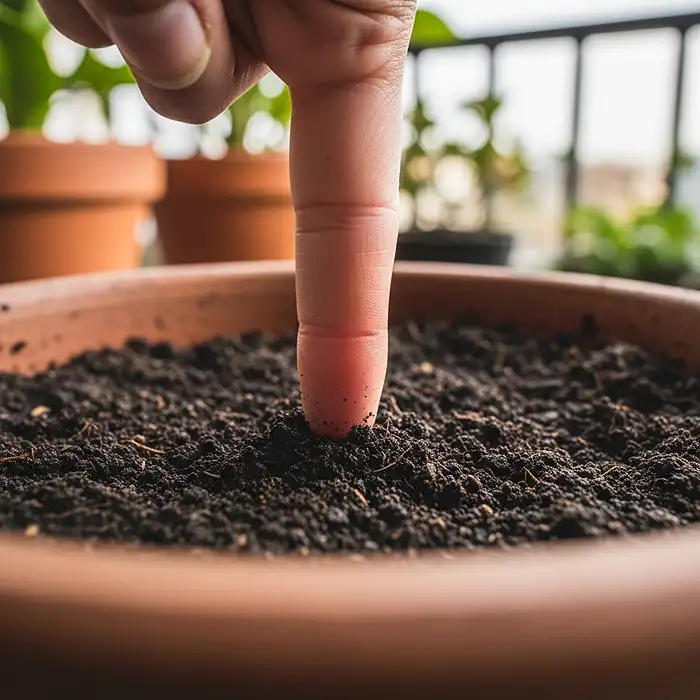
Stick your finger 1–2 inches into the soil.
Dry at that depth? Water. Still moist? Wait.
That’s it. That’s the whole strategy. Don’t water on a schedule—water based on what the soil tells you.
Feeding Your Plants (Without Killing Them)
Leafy stuff needs nitrogen. Think of it as plant coffee—gets those leaves growing fast.
Fish fertilizer (5-1-1 ratio) is gentle and effective. Half strength every two weeks keeps things moving without burning roots.
Fruiting crops want balanced meals once they start flowering.
Switch to something like 10-10-10 fertilizer when your tomatoes and peppers start making flowers. They need more than just leaf fuel at that point.
Drainage: The Unsexy Hero
Every single pot needs drainage holes. Non-negotiable.
Don’t let water sit in saucers—dump them out 30 minutes after watering. Standing water = suffocated roots = sad, slow-growing plants.
Light: More is More (Usually)
Getting the light situation right speeds everything up dramatically.
Your Balcony’s Direction Matters
South-facing balconies are the VIP section—6–8 hours of direct sun, perfect for basically everything.
East-facing spots nail that gentle morning light, ideal for leafy greens that don’t want to get roasted.
North-facing balconies can still work for spinach, lettuce, and kale if you get at least 4 hours of light. It’s not ideal, but it’s doable.
Indoor Growing with Lights
If you’re going the indoor route, you need 12–16 hours under full-spectrum LEDs.
Keep lights 6–12 inches above your plants and adjust as they grow. Rolling carts are clutch for moving pots between windows and lights depending on the weather.
Companion Planting (The Plant Friend System)
Pairing plants strategically helps with pests in cramped container setups.
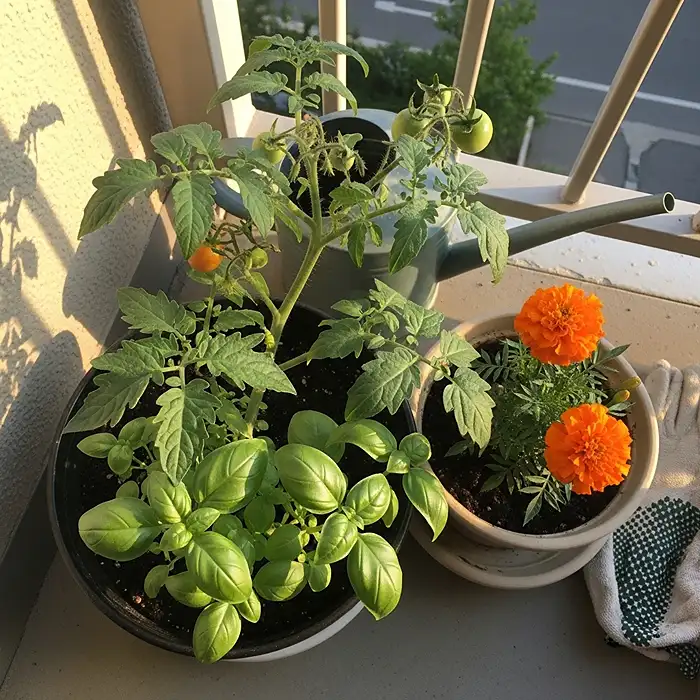
Basil + Tomatoes = Classic Combo
Basil might help keep aphids away (they seem to hate it), plus it improves airflow around your tomato’s base. Also, you’ll have fresh caprese ingredients growing side-by-side, which is just smart planning.
Marigolds Are the Bodyguards
Plant marigolds near peppers and tomatoes—they potentially repel whiteflies and look good doing it. Plus, your edible containers suddenly look Instagram-worthy.
Pro Moves for Shaving Days Off Harvest Time
Want to speed things up even more? These tricks actually work.
Pre-soak big seeds like beans and spinach overnight before planting. It speeds up germination by a few days—not life-changing, but every day counts when you’re impatient.
Black pots in spring = soil heater. They absorb more sun and warm your soil faster. Physics doing the work for you.
Succession plant every 2–3 weeks with lettuce, arugula, and radishes. You’ll have continuous harvests instead of eating salad for three straight days and then nothing for a month.
Harvest outer leaves instead of yanking the whole plant. Cut-and-come-again harvesting extends your production window by weeks. The plant keeps growing from the center while you keep eating.
Thin seedlings early. Crowded plants grow slower and produce less. Be ruthless—your remaining plants will reward you.
Your Burning Questions, Answered
Can I actually grow food on a north-facing balcony?
Yep. Stick with shade-tolerant greens like spinach and lettuce that only need about 4 hours of light. They actually prefer cooler, gentler conditions anyway.
Should I buy seeds or seedlings?
Seedlings give you a 2–4 week head start, which is huge. But radishes, beans, and cucumbers grow so stupidly fast from seed that transplants barely matter. Your call.
Why are my tomato leaves doing that weird curl thing?
Usually inconsistent watering or heat stress. Water deeply in the morning (not midday when it’s blazing hot), and they should chill out.
What’s literally the fastest vegetable I can grow?
Microgreens win at 10–21 days, with radishes right behind at 22–30 days. Both are perfect if you need to prove to yourself (or skeptical roommates) that you can actually grow food.
Growing fast-growing vegetables for containers proves you don’t need a massive yard to eat homegrown food. With the right compact cultivars, decent pots, and consistent care, your balcony becomes a legit food source.
Start with microgreens or radishes this weekend—you’ll be harvesting before you know it, and suddenly you’ll be that person with the productive balcony garden everyone asks about.
Trust me, it’s worth it.