

Easy Vegetables to Grow in Pots for Beginners
Discover 10 easy vegetables to grow in pots for beginners that actually thrive! Learn foolproof container tips, soil secrets & harvest in 30 days. Start growing today!
Here’s something that’ll blow your mind: you don’t need a sprawling backyard to grow your own food. Seriously! Easy vegetables to grow in pots for beginners can thrive on your tiny apartment balcony, that awkward patio corner, or even your fire escape (check local rules first, though).
Container gardening lets beginners grow fast, productive veggies using nothing more than the right pot size, decent soil, and a sunny spot. And honestly? It’s way more forgiving than traditional gardening—no tilling, no weeding marathons, and definitely no commitment issues if you decide gardening isn’t your thing.
This guide breaks down the easiest vegetables to grow in pots for beginners, plus all those little tricks I wish someone had told me when I killed my first three tomato plants.
Table of Contents
Why Container Gardening Is Perfect for Beginners (Like, Actually Perfect)
Look, I get it. The idea of “gardening” sounds intimidating. But here’s the beautiful truth about containers: they remove about 90% of what makes traditional gardening hard.
No digging required. No fighting with clay soil or rocks. No permanent garden bed you’ll regret placing in the shadiest corner of your yard.
Container gardening fits anywhere. Balconies, patios, rooftops, rental properties where your landlord would absolutely lose it if you started digging up the lawn—containers work everywhere.
Plus, pots warm up way faster than ground soil in spring. That means your plants get growing earlier, and you’re harvesting tomatoes while your neighbor with the in-ground garden is still waiting.
Here’s the kicker: you’ll deal with fewer pests. Those annoying soil-dwelling bugs? They can’t easily reach your elevated containers. It’s like giving your vegetables a VIP section away from the riffraff.
And there’s something genuinely therapeutic about growing your own food. Even if it’s just a handful of cherry tomatoes, there’s this confidence boost that comes from eating something you grew yourself. It hits different, you know?
For more inspiration on what thrives in containers, check out our guide on the best vegetables for container gardening to explore even more options.
The 3 Non-Negotiables for Growing Vegetables in Pots
Let’s get real about what actually matters when you’re choosing containers and setting up your space. Skip these three things, and you’re basically setting yourself up for disappointment.
Pots & Containers – Size Actually Matters (Sorry, Had To)
First rule: drainage holes are mandatory. Not optional. Not “I’ll just water carefully.” Mandatory.
Without drainage, water pools at the bottom and drowns your plant roots in like three days flat. I’ve killed enough plants this way to speak from painful experience.
Container depth matters way more than width. You can have a super wide pot, but if it’s only 4 inches deep, your tomato plant is gonna have a bad time. Roots need room to spread down, not just out.
Now, let’s talk about choosing between different vegetable pot sizes and materials:
- Fabric grow bags: These are amazing for drainage and air circulation. Your roots get “air pruned” naturally, which sounds scary but is actually great. Downside? They dry out fast in hot weather, so you’ll water more often.
- Plastic containers: Cheap, lightweight, hold moisture well. Perfect for beginners. The only issue is roots can start circling if the pot’s too small, but that’s a problem for every pot type.
- Terracotta pots: Gorgeous and breathable, but heavy as heck and they dry out faster than plastic. Also pricey if you’re outfitting a whole balcony.
For most easy vegetables to grow in pots for beginners, go for depth over diameter. A tall 12-inch pot usually beats a wide, shallow 6-inch one.
Why Regular Garden Soil Is Your Enemy in Pots
Here’s a mistake literally every beginner makes (including me): grabbing dirt from outside and tossing it in a pot.
Don’t do it! Garden soil turns into concrete when you put it in containers. It compacts down, blocks oxygen, and basically suffocates your plant roots.
Plus, it drains terribly. Without all those earthworms and natural soil structure from the ground, drainage goes to hell and you get root rot.
The best potting soil for containers isn’t actually soil at all—it’s a lightweight mix designed specifically for pots. You can buy it pre-made, or mix your own (which is cheaper if you’re doing multiple containers).
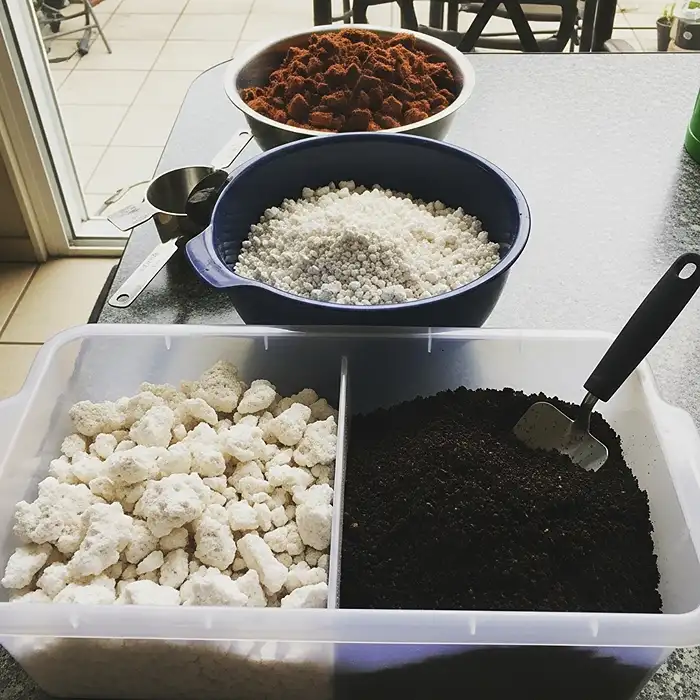
My Go-To Beginner-Proof Potting Mix:
Mix equal parts:
- 1 part coco coir or peat moss (holds water)
- 1 part perlite or vermiculite (those little white bits that improve drainage)
- 1 part quality compost (food for your plants)
This DIY blend gives you the perfect balance. It holds moisture so you’re not watering five times a day, drains well so roots don’t drown, and has nutrients to feed your veggies.
According to horticultural research from the University of Maryland Extension, using a proper soilless potting mix is one of the most critical factors for container gardening success.
Sunlight & Those Sneaky Microclimates
Most vegetables need legit sun—we’re talking 6 to 8 hours of direct sunlight daily for fruiting plants like tomatoes and peppers. Leafy greens can get away with 4 to 6 hours (partial sun).
But here’s where it gets interesting: your balcony probably has microclimates you don’t even realize exist.
That spot against a south-facing wall? Way hotter than you think because the wall reflects heat. Your concrete patio? Same deal—it radiates warmth like crazy.
On the flip side, strong wind can trash your plants. I once had a pepper plant practically shredded by wind on a high balcony. Not cute. If you’re in a windy spot, either provide some shelter or stake your plants really well.
The goal is finding that Goldilocks zone: enough sun, not too much wind, and ideally some protection from the absolute hottest afternoon sun if you’re in a really hot climate.
Our complete container gardening for food resource covers sunlight requirements and positioning strategies in even more detail.
10 Easy Vegetables to Grow in Pots (Beginner-Tested & Approved)
Alright, let’s get to the good stuff. These are the most forgiving, productive, and downright easy vegetables to grow in pots for beginners. I’ve ranked them based on how hard they are to kill (spoiler: very hard).
1. Lettuce & Leafy Greens
Quick Stats:
- Sun: Partial to full (4-8 hours)
- Pot depth: 6-8 inches
- Harvest time: 25-40 days
Lettuce is basically the golden retriever of vegetables—friendly, forgiving, and nearly impossible to screw up completely.
The best part? Cut-and-come-again harvesting. You snip the outer leaves with scissors, and the plant just keeps pumping out new growth from the center. It’s like a salad subscription service that you control.
Spinach, arugula, and mixed salad greens work the same way. They actually prefer cooler weather (spring and fall), so they’re perfect when tomatoes would be sulking in the cold.
Pro tip: Plant a new container of lettuce every two weeks for continuous harvests. You’ll never run out.
2. Radishes
If you need a confidence boost, plant radishes. These little guys are ready to harvest in 25-30 days—less than a month!
They’re perfect for beginners who get impatient (guilty) or worry they don’t have a green thumb. Radishes are basically designed to succeed.
You only need 6 inches of soil depth, so even shallow containers work. Plus, radishes taste way better fresh from the pot than those sad grocery store ones.
3. Cherry Tomatoes (Determinate/Bush Types)
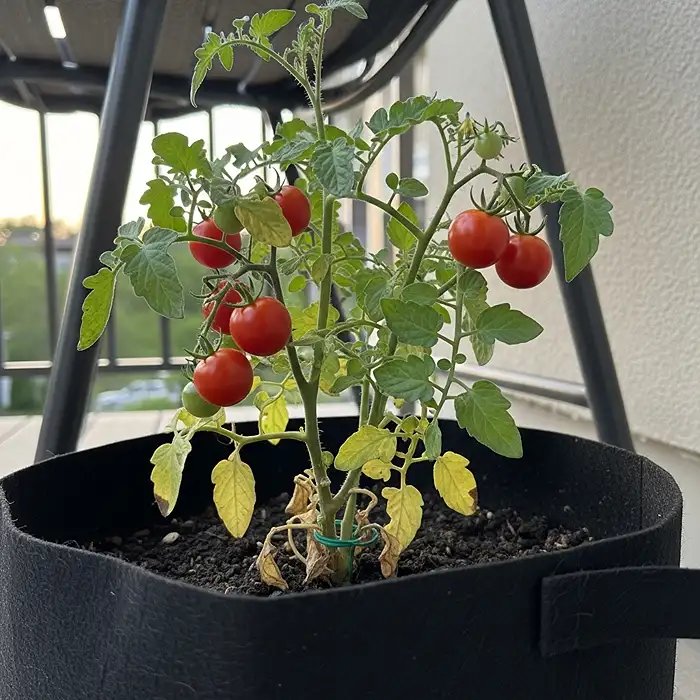
Okay, tomatoes have a reputation for being finicky, but dwarf vegetable varieties like determinate or “patio” tomatoes are total game-changers.
Determinate types stay compact—usually 2-3 feet tall max. They don’t sprawl everywhere like their indeterminate cousins. And their root systems are smaller, so they’re genuinely happy in containers.
The trick with container tomatoes? Consistent watering. If you let the soil dry out, then flood it, then dry out again, you’ll get blossom end rot (that gross black spot on the bottom of tomatoes). Keep the moisture steady, and you’re golden.
Choose varieties like ‘Patio Princess’ or ‘Tiny Tim’ if you want foolproof options.
4. Peppers (Sweet & Hot)
Peppers absolutely love container life. The warm soil? They’re obsessed. The compact space? Perfect for their naturally small root systems.
Each pepper plant pumps out way more peppers than you’d expect. I once got 30+ jalapeños from a single plant in a 5-gallon bucket. No joke.
Both sweet bell peppers and hot varieties (jalapeños, cayenne, Thai chilies) follow the same container gardening tips. Give them 12 inches of depth, feed them regularly, and watch them go crazy.
5. Bush Beans
Bush beans are ridiculously productive for how little space they take up. Unlike pole beans that need trellises and support, bush varieties stay compact and manageable.
Plant 4-6 seeds in a 12-inch pot and you’ll have fresh beans all summer. They grow fast, produce heavily, and—here’s the cool part—they actually improve your soil by fixing nitrogen.
Beans are legumes, which means they pull nitrogen from the air and add it to the soil through their roots. Free fertilizer for whatever you plant next!
6. Carrots (Short or Round Varieties)
Regular long carrots hate containers. But short, stubby varieties? They absolutely thrive.
Look for types like Parisian (round), Chantenay (short and thick), or any variety labeled “baby.” These are bred specifically for shallow soil and containers.
The key is loose, fluffy soil with zero rocks or obstacles. Any hard bits in the soil cause weird, twisted carrots. But in containers, you control the soil completely—no surprises.
7. Potatoes (Grow Bags Method)
Growing potatoes in fabric grow bags is borderline magical. You get ridiculous yields from vertical space, and harvest is stupid easy.
Here’s how it works: Fill the bag 1/3 with soil, plant your seed potatoes, then keep adding more soil as the plants grow taller. This is called “hilling,” and it encourages the plant to form more potatoes along the buried stem.
When harvest time comes, just tip the bag over and collect your potatoes like a treasure hunt. No digging, no accidentally stabbing potatoes with a shovel. Just pure potato joy.
8. Zucchini / Summer Squash (Bush Types Only)
Zucchini has a reputation for taking over gardens, but bush varieties stay civilized in containers. We’re talking 2-3 feet wide instead of the usual 6-foot sprawl.
One bush zucchini plant in an 18-inch pot produces more squash than most families can eat. You’ll be making zucchini bread, zucchini pasta, zucchini everything.
These are heavy feeders though, so use a bigger container and fertilize regularly. They also need consistent water because those big leaves transpire like crazy.
9. Green Onions (Scallions)
Green onions are the ultimate lazy gardener’s vegetable (said with love). You can literally regrow them from kitchen scraps by sticking the root ends in water or soil.
They need maybe 4 inches of depth, which means any container works. And they’re true cut-and-come-again crops—snip the tops, leave the roots, and they’ll regrow indefinitely.
If you’ve never grown anything before, start here. Green onions are basically unkillable.
10. Beginner-Proof Herbs (Basil, Mint, Chives)
Herbs grow fast, forgive mistakes, and make you feel like a legitimate gardener even if you’re totally winging it.
Basil thrives in warm weather and gets bushier the more you harvest it. Pinch off the tips regularly and you’ll have a compact, productive plant instead of a tall, leggy mess.
Chives are perennial in most climates, meaning they come back year after year. Plant once, harvest forever.
MINT WARNING: Never, ever, EVER plant mint with other plants. Mint spreads through underground runners that invade every pot within reach and choke out everything else. Always isolate mint in its own container. Learn from my mistakes.
Beginner Maintenance That Actually Works
Watering – The Finger Test Beats Any Schedule
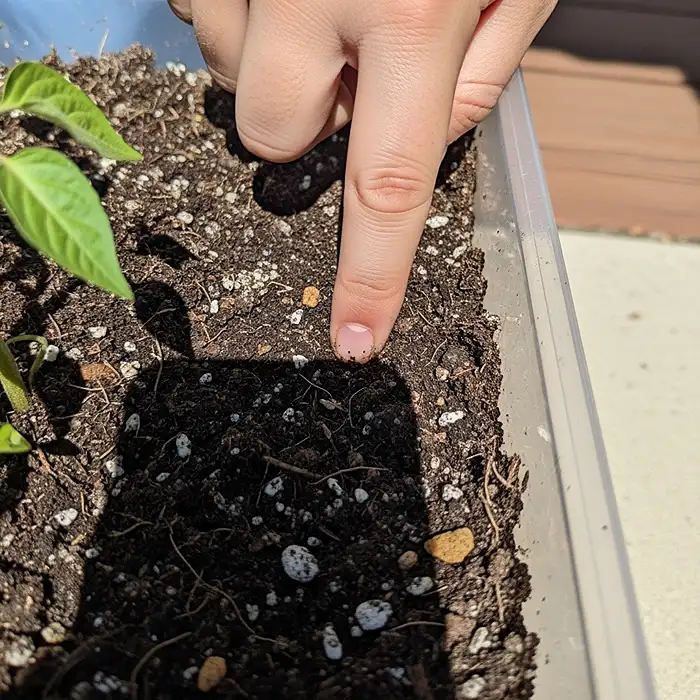
Forget watering schedules. They don’t work because your plants’ water needs change based on temperature, humidity, plant size, and growth stage.
Use the finger test instead: Stick your finger 2-3 cm (about an inch) into the soil. If it feels dry, water. If it’s still moist, wait.
This simple touch test gives you real-time moisture data that no calendar can match. Your plants will tell you what they need if you just check.
Self-watering pots are clutch if you travel a lot or have the memory of a goldfish (no judgment). They have a reservoir at the bottom that plants drink from as needed.
Fertilizing Containers (No Chemistry Degree Required)
Container vegetables need regular feeding because nutrients wash out through drainage holes every time you water.
You’ll see fertilizer labeled with three numbers, like 10-10-10 or 5-10-5. That’s the NPK ratio:
- N (Nitrogen): Makes leaves green and lush
- P (Phosphorus): Grows strong roots and helps fruit form
- K (Potassium): Boosts disease resistance and overall plant health
Beginner feeding schedule: Use liquid organic fertilizer every 2-4 weeks during the growing season. Dilute to half-strength for young plants so you don’t burn them.
Honestly, any balanced organic fertilizer works fine. Don’t overthink it.
Hardening Off (Or: Why Your Seedlings Died Immediately)
If you start seeds indoors or buy greenhouse-grown seedlings, you MUST harden them off before planting outside permanently. This is non-negotiable.
Hardening off = gradually transitioning plants from cushy indoor life to harsh outdoor reality over 7-10 days.
Start with one hour of gentle morning sun on day one. Add an hour each day. By day seven, they can handle full sun and wind without freaking out.
Skip this step and your plants will get sunburned, wilted, or straight-up die from shock. I’ve watched it happen. It’s sad.
Troubleshooting Common Container Problems (AKA Why Is This Happening?!)
Yellow leaves everywhere? Either you’re overwatering (check if soil is soggy), or the plant needs nitrogen. If the soil’s dry, increase fertilizing. If it’s wet, cut back on watering.
Lots of flowers but zero actual vegetables? Usually heat stress (above 90°F) or pollination issues. Try hand-pollinating by gently shaking flowering plants or using a small brush to move pollen between flowers.
Tomatoes with gross black bottoms? That’s blossom end rot, and it’s from inconsistent watering—not calcium deficiency like everyone thinks. Keep soil moisture even.
Plants wilting in the middle of the day? If they perk up by evening, it’s just a normal heat response. If they stay wilted, you’ve got root problems from overwatering or disease.
Quick FAQ – Your Burning Questions Answered
Can I reuse potting soil from last year?
Yep! Just refresh about 50% with new compost, remove old roots, and fluff it up to restore structure. It’s way cheaper than buying new soil every season.
What’s the absolute minimum pot depth I can get away with?
For leafy greens and herbs: 6-8 inches. For fruiting crops like tomatoes, peppers, and root vegetables: 12-18 inches minimum. Don’t cheap out on depth—your plants will suffer.
Why does everyone say mint is invasive?
Because mint spreads through aggressive underground runners that can’t be contained when planted with other species. It’ll literally take over neighboring pots if given the chance. Always grow mint isolated. Always.
Do I need fancy expensive containers?
Nah. I’ve successfully grown vegetables in 5-gallon buckets with drainage holes drilled in the bottom. As long as it’s deep enough and drains well, you’re good.
From Total Beginner to Confident Food Grower
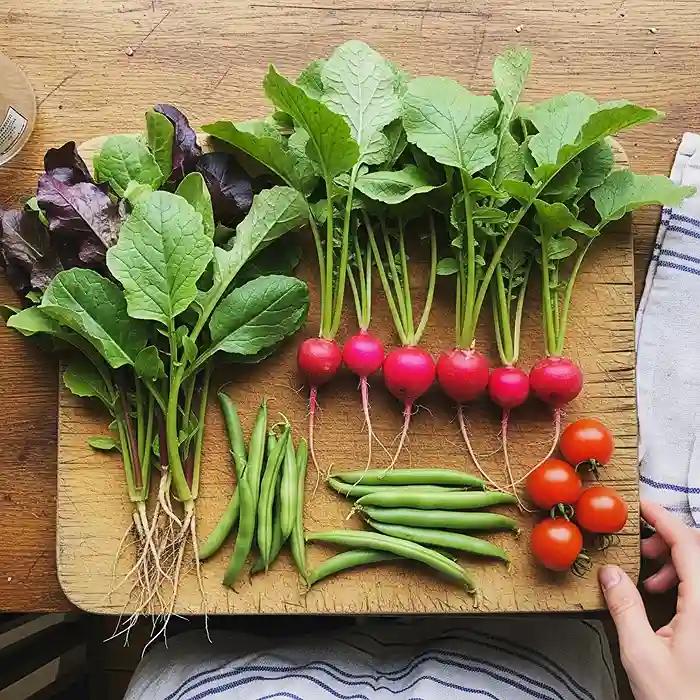
Here’s the truth: containers create these perfect little controlled ecosystems where you’re in charge of literally everything. That control makes success predictable and learning happens fast.
Even if you only harvest a handful of cherry tomatoes or a few salad greens, you’re building genuine food-growing skills and confidence. Those small wins compound over time.
Start with two or three easy vegetables to grow in pots for beginners this season. Master the basics of watering and feeding. Then expand your container garden next year with actual hands-on experience backing you up.
Your journey from nervous beginner to confident food producer starts with a single pot, decent soil, and the courage to just try. You’ve got this.
Now go grow something delicious! 🌱