

Deep vs Shallow Root Vegetables for Pots
Compare deep vs shallow root vegetables for pots and learn the right container depth for each crop, with simple pot-size tips for better harvests in small spaces.
Here’s something nobody tells you when you start container gardening: your biggest mistake won’t be forgetting to water or skipping fertilizer.
It’ll be choosing the wrong pot depth. I learned this the hard way after watching three gorgeous tomato plants produce exactly zero tomatoes in adorable 8-inch pots. Turns out, those roots needed about 16 more inches to do their job.
Understanding deep vs shallow root vegetables for pots is honestly the difference between Instagram-worthy harvests and sad, stunted plants that never quite make it. And once you get it? Everything else clicks into place.
Let me walk you through exactly how root depth works, which vegetables need what, and how to never waste money on the wrong container again.
Table of Contents
Why Root Depth Actually Matters More Than You Think
Okay, so roots do more than just hold your plant upright—they’re basically running three jobs at once.
They anchor everything (obviously), but they’re also constantly hunting for nutrients and water like tiny underground miners. And here’s the cool part: they regulate temperature too.
Think of deep soil as your plant’s personal AC unit. When it’s 95°F outside and your pot’s surface is baking, those roots six inches down are chilling in soil that’s 15 degrees cooler. That’s huge for plant health.
Research from the UC Master Gardeners shows something wild: doubling your pot size can boost plant growth by 40-50%. That’s not a typo. Root space literally equals harvest potential.
The bigger the pot, the more stable the moisture stays. No crazy swings between bone-dry and waterlogged. Your plants can actually relax and focus on, you know, growing food instead of stressing about survival.
Bottom line? Get the root depth right, and half your container gardening problems just… disappear.

Breaking Down Root Categories (The Simple Version)
Not every vegetable roots the same way—and that’s actually great news because it means you don’t need massive pots for everything.
Shallow-rooted vegetables are your 6-9 inch crew. These guys develop fibrous roots that spread wide but stay near the surface. Perfect for small spaces, but they dry out fast.
Medium-rooted vegetables hit that 12-18 inch sweet spot. They balance vertical and horizontal growth, which means they need a bit more depth but nothing crazy.
Deep-rooted and extensive vegetables are the space hogs—24+ inches deep with aggressive root systems. These are your commitment plants that need serious container real estate.
Getting familiar with these categories is the shortcut to knowing exactly what pot sizes for vegetables you actually need.
Shallow-Rooted Vegetables: The Quick Growers (6-9 Inches)
Let’s start with the easy wins—plants that’ll thrive in surprisingly small containers.
Your minimum depth: 6 inches, but honestly? Go 8-10 inches if you can. These plants prefer wide and shallow over tall and narrow.
The best shallow-root crops:
- Lettuce (seriously, so easy)
- Spinach
- Arugula
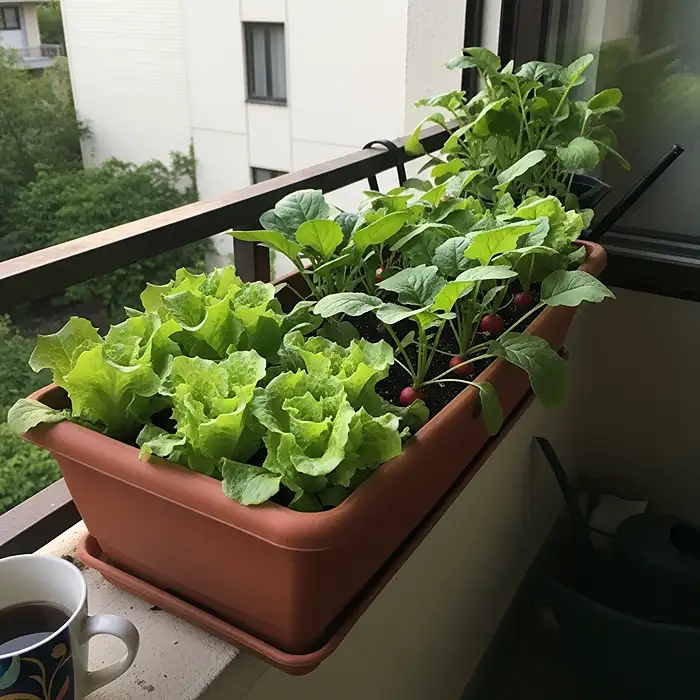
- Radishes—especially “Cherry Belle” which matures before it even realizes it’s in a pot
- Chives
- Cilantro (though it’ll bolt on you in hot weather regardless)
- Strawberries
Here’s the catch: because these roots live close to the surface, they’re the first to feel evaporation, heat stress, and that crusty dried-out soil thing that happens after a hot afternoon.
Window boxes are perfect for this crew. So are those wide grow trays and shallow raised planters. The extra surface area gives roots room to spread sideways, which they love.
If you’re new to container gardening depth decisions, start here. These vegetables are forgiving and fast.
Medium-Rooted Vegetables: Where Most Garden Favorites Live (12-18 Inches)
This is where things get interesting—and where most people accidentally mess up their deep vs shallow root vegetables for pots strategy.
Ideal depth: 12 inches minimum, but 14-18 inches is where the magic happens.
Peppers and Eggplants (The Drama Queens)
These guys need 14-18 inches and at least 5-10 gallon pots. I’m not being dramatic—they are.
Stick them in shallow containers and watch the flower drop begin. They’ll bloom like crazy, then every single flower just… falls off. No peppers. Just leaves and disappointment.
The roots can’t support fruit production when they’re cramped. It’s like asking someone to run a marathon in shoes two sizes too small.
Carrots and Beets (The Shape-Shifters)
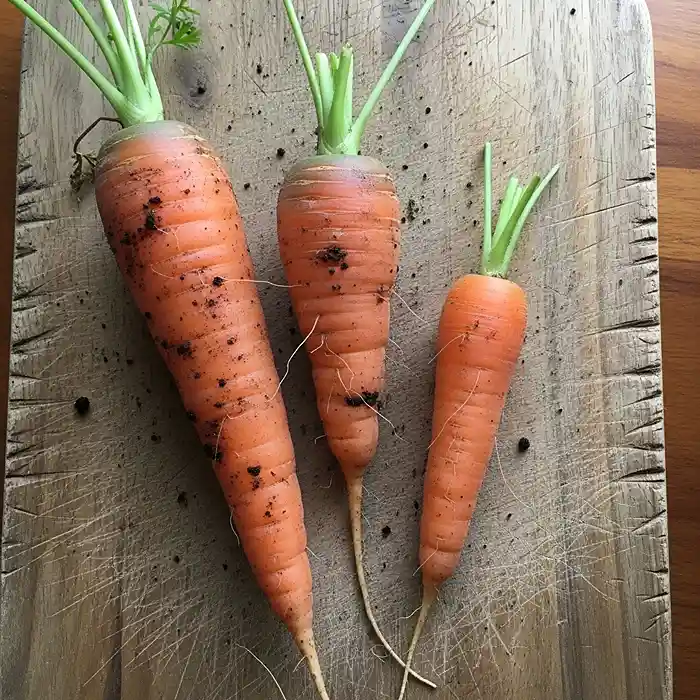
Standard carrots absolutely need 12-14 inches minimum. But here’s a pro tip: variety matters way more than you’d think.
Long tapered varieties like “Nantes” need every inch of that depth. Stubbier “Chantenay” types can manage with slightly less. And if you’re tight on space? “Little Finger” carrots are your best friend—sweet, tender, and totally fine with 10 inches.
The real secret with root crops: loose, fluffy soil matters more than width. Pack your containers with quality potting mix (no rocks, no dense chunks), or you’ll end up with forked, twisted carrots that look like they’re doing yoga.
Broccoli and Kale (The Brassica Brigade)
Broccoli’s picky about depth—12-18 inches or you’ll get “buttoning.” That’s when you end up with tiny, premature heads the size of a golf ball because the plant’s stressed.
Kale’s way more chill. It’ll tolerate shallower pots, but deeper is still better if you want to harvest leaves all season long.
For more ideas on which vegetables work best in tight spaces, check out this guide on the best vegetables for container gardening—it’s seriously helpful if you’re planning a small-space setup.
Deep-Rooted Vegetables: The Heavy Hitters (24+ Inches)
Alright, now we’re talking serious containers. These plants aren’t messing around.
Minimum depth: 18 inches if you’re really pushing it. Better? 24 inches. Volume-wise, think 15-25 gallons.
Tomatoes: The Container Gardening Paradox
Here’s the irony: tomatoes are the #1 most popular container plant, and also the most commonly root-restricted plant.
Indeterminate varieties (the tall vining types) need 18-24 inches of depth. Anything less and you’re setting yourself up for moisture swings that cause Blossom End Rot—you know, that heartbreaking black spot on the bottom of otherwise perfect tomatoes.
Determinate varieties (bush types) are more reasonable—12-16 inches and a 10-gallon pot works fine.
I’ve seen so many people buy cute little tomato pots at the garden center and wonder why their plants look miserable by July. Root space. Always root space.
Pumpkins and Winter Squash (The Space Invaders)
These plants have both deep taproots AND aggressive lateral roots spreading everywhere. You need at least 20-gallon containers—I’m talking half-barrel territory.
Go too shallow and you’ll watch baby pumpkins turn yellow and drop off (abortive fruit). Plus, stressed squash plants are powdery mildew magnets.
Asparagus (The Long-Term Relationship)
If you’re growing asparagus in a container, commit to 24+ inches deep. This is a perennial vegetable that’ll live for a decade if you treat it right.
No skimping here.
Your Cheat Sheet: Vegetable Root Depth Chart for Pots
Bookmark this table—it’s basically your container gardening depth bible.
| Vegetable | Root Category | Minimum Depth | Pot Size | Best Container |
|---|---|---|---|---|
| Lettuce | Shallow | 6–8 in | 1–2 gal | Wide trough |
| Spinach | Shallow | 6–8 in | 1–2 gal | Window box |
| Radish | Shallow | 6 in | 1 gal | Shallow tray |
| Carrot (standard) | Medium | 12–14 in | 3–5 gal | Tall pot |
| Pepper | Medium | 14–18 in | 5–7 gal | 5-gal bucket |
| Broccoli | Medium | 16 in | 7 gal | Deep planter |
| Tomato (bush) | Medium | 12–16 in | 10 gal | 10-gal pot |
| Tomato (vining) | Deep | 18–24 in | 15–25 gal | Large grow bag |
| Pumpkin | Deep | 24 in | 20+ gal | Half barrel |
Keep this handy when you’re shopping for containers or seeds.
How to Choose Pot Size Like a Pro
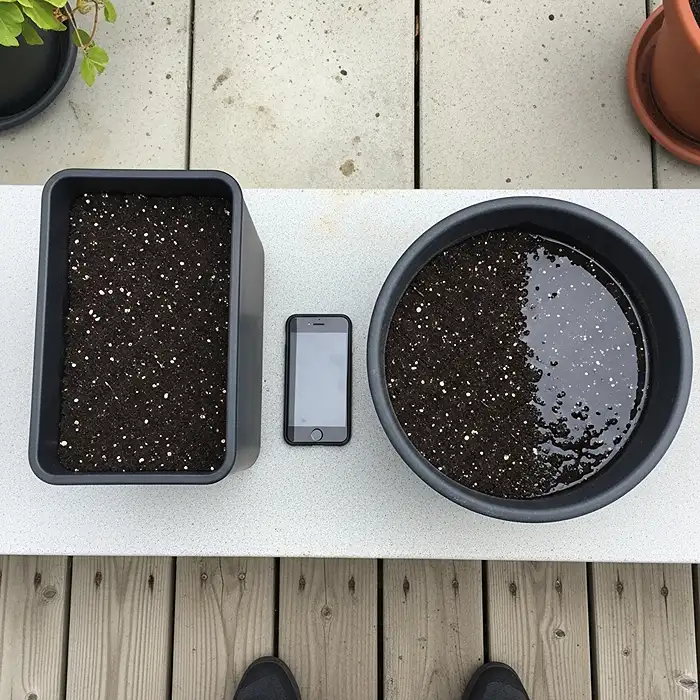
Here’s the rule: depth first, width second.
Depth gives you stability and access to cooler, moister soil layers. Width controls overall moisture retention and gives roots lateral room to spread.
And here’s something people get wrong constantly: a tall skinny pot is NOT the same as a wide shallow pot, even if they hold the same volume.
Moisture distribution works totally differently. Wide pots maintain more even hydration throughout, while tall narrow pots create moisture gradients that can leave the top bone-dry while the bottom stays soggy.
3 Game-Changers That Bend the Rules
1. Compact Varieties Are Your Friend
Plant breeders have created dwarf and compact versions of tons of vegetables with smaller root systems.
Bush tomatoes, “Little Finger” carrots, compact cucumbers—they’re all bred to succeed in tighter spaces. If you’re working with limited room, seek these out.
2. Fabric Grow Bags Changed Everything
I’m low-key obsessed with fabric pots because of air pruning. When roots hit the breathable fabric, the tips dry out and branch instead of circling the pot like trapped fish.
The result? Healthier, denser root systems in smaller volumes than plastic pots.
I’ve grown indeterminate tomatoes in 15-gallon fabric bags that would’ve struggled hard in 15-gallon plastic pots. The difference is wild.
3. Self-Watering Planters Are Legit
Sub-irrigated planters (SIPs) have water reservoirs built into the bottom. Plants can wick up moisture as needed, so they’re never stressed about finding water.
You can actually get away with slightly shallower soil depths in these because the moisture gradient is so stable. Plus, they eliminate like 90% of stress-related problems.
Warning Signs Your Pot’s Too Shallow
Your plant bolts early: When roots feel cramped, plants panic and shift into reproduction mode. Lettuce flowering in June? Probably root-bound.
It wilts even though the soil’s wet: This weird paradox usually means roots are circling, compacted, or starting to rot because there’s no oxygen in that crowded space.
Growth just… stops: Mid-season stalling despite good care? Restricted roots can’t absorb nutrients properly, even if you’re fertilizing correctly.
Random yellowing and deficiencies: Inconsistent moisture from inadequate root zones causes nutrient lockout. The food’s there, but roots can’t access it.
Quick Answers to Your Pot Depth Questions
Can a pot actually be too big?
Yep. Oversized containers hold too much moisture for small plants, creating soggy conditions that invite root rot. Young plants can’t dry out huge pots efficiently.
What vegetables grow in just 6 inches of soil?
Lettuce, spinach, arugula, strawberries, and spring radishes all crush it in 6-inch shallow containers.
How deep do tomato roots need to go in pots?
Vining (indeterminate) varieties need 18-24 inches and 15-25 gallons. Bush (determinate) types manage fine with 12-16 inches and 10 gallons.
Should I put gravel at the bottom for drainage?
Nope—common myth. Gravel actually creates a “perched water table” that makes drainage worse. Just use quality potting mix and drainage holes. That’s it.
Final Thoughts: Match the Plant to the Pot
Here’s the truth: container gardening success isn’t about fancy fertilizers or perfect sunlight hours.
It’s about biological alignment—matching your plant’s root needs to the container you’re giving it.
Roots determine everything: how much your plant yields, how well it handles stress, and whether it fights off disease or succumbs to every problem that comes along.
When you get deep vs shallow root vegetables for pots right from the start, you’re not guessing anymore. You’re growing with purpose.
Start with the vegetable root depth chart above. Match your crops to appropriate depths. And watch your plants respond with vigorous growth and harvests that actually make your time and effort worth it.
The secret was underground this whole time. Now you’ve got the map.