

Common Mistakes When Growing Vegetables in Containers
Avoid common mistakes when growing vegetables in containers, from wrong pot sizes and poor drainage to overwatering and weak soil. Learn simple fixes for healthier plants and bigger harvests.
Let me tell you about the summer I confidently planted six gorgeous heirloom tomato seedlings in what I thought were “perfectly adequate” pots.
Three weeks later? Sad, stunted plants that looked like they were auditioning for a plant horror movie. The leaves turned yellow, the fruits never got bigger than cherry tomatoes (and these were supposed to be beefsteaks), and I was this close to giving up on container gardening entirely.
Turns out, I’d made basically every rookie mistake in the book—and common mistakes when growing vegetables in containers are way more common than you’d think. The good news? They’re also totally fixable once you know what you’re doing.
Here’s the thing about container gardening: it’s like creating a tiny, self-contained world for your plants. Unlike garden beds where roots can spread out and soil acts as a natural buffer, containers amplify every little mistake. One wrong move with drainage, soil, or pot size, and you’re basically setting yourself up for disappointment.
But don’t worry—I’m gonna walk you through the most common mistakes when growing vegetables in containers so you can actually enjoy those homegrown tomatoes instead of wondering why yours look so pitiful.
The Biggest Container Gardening Blunders (That’ll Tank Your Harvest Before It Starts)
Mistake #1: Cramming Plants Into Tiny Pots (Because Bigger Really Is Better)
Okay, this was my #1 killer mistake, and I see it everywhere.
Those cute little 6-inch pots at the garden center? Yeah, they’re basically plant prisons for anything bigger than herbs. When you grow vegetables in containers that are too small, the roots literally run out of room, which means your plant can’t support healthy growth no matter how much you baby it.
Small pots also heat up like crazy in the sun. I’m talking root temperatures above 95°F—hot enough to actually cook your plant’s roots. Plus, tiny containers dry out in like five seconds during summer, creating wild moisture swings that stress plants out and cause blossom drop (bye-bye, tomatoes).
Here’s what you actually need for common veggies:
- Lettuce & spinach: 8–10″ diameter minimum (I go for 12″ bowls in summer—way more stable)
- Peppers: 12–14″ diameter, at least a 5-gallon container
- Bush beans: 12″ diameter, fit about 2–3 plants max
- Dwarf tomatoes: 14–16″ diameter, 7–10 gallons (yes, really)
- Full-size tomatoes: 18–24″ diameter, 15–20 gallons or you’re gonna have a bad time
Getting container tomato spacing right starts with pot volume, not just how wide it looks. A single indeterminate tomato needs at least 15 gallons to actually thrive through a full growing season—anything less and you’re fighting an uphill battle.
If you’re just starting out, check out this guide on the best vegetables for container gardening to pick varieties that’ll actually work in pots without driving you crazy.
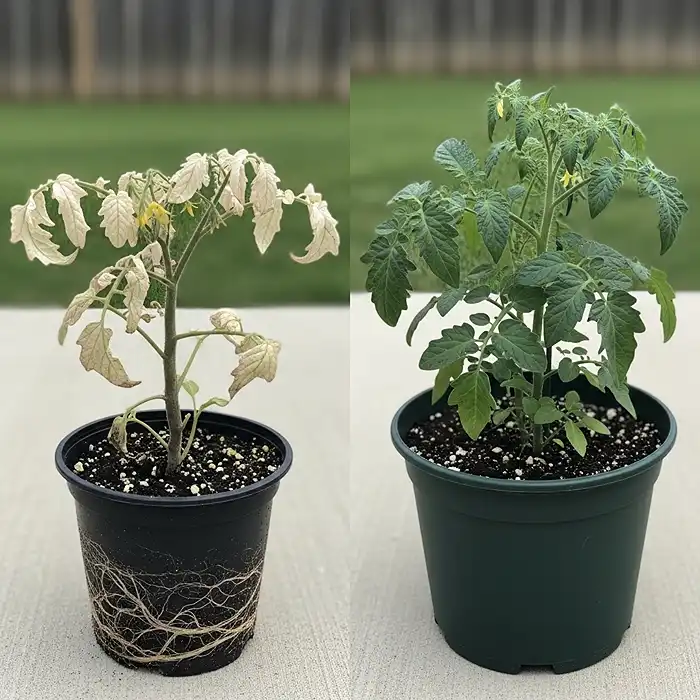
Mistake #2: The “Gravel at the Bottom” Thing Everyone’s Grandma Does (Stop It)
I know, I know—your grandma swears by putting rocks or pottery shards at the bottom of pots for “better drainage.”
Plot twist: it actually makes drainage worse.
Here’s the science bit (but I’ll keep it quick): when you layer different particle sizes—like gravel under potting mix—you create something called a “perched water table.” Basically, water gets stuck at the layer where the two materials meet, creating a soggy zone right where your roots are trying to grow.
The fix? Just use good potting mix all the way through. Modern mixes drain perfectly fine on their own without any help from your rock collection. This is one of those vegetable container gardening mistakes that’s super common but totally unnecessary.
Mistake #3: Skimping on Drainage Holes (Hello, Root Rot)
No drainage holes = dead plants. It’s that simple.
Even if you’re a perfect waterer (which, let’s be honest, nobody is), one overwatering session in a pot without proper drainage can trigger root rot. And once that starts, your plant’s basically toast.
Drill holes every 4–6 inches across the bottom of your containers. For plastic pots, a regular 1/4″ to 1/2″ drill bit works great. For ceramic, grab a masonry bit and go slow to avoid cracking.
Or honestly? Just get fabric grow bags and skip the whole drilling thing. They breathe from all sides and drainage is never an issue.
Mistake #4: Reusing Last Year’s Dirty Pots (Lazy, But We’ve All Done It)
Confession time: I used to just dump out old soil and immediately replant in the same pots. Then I wondered why my plants kept getting weird diseases.
Turns out, pathogens like fusarium wilt and verticillium wilt can survive winter on pot surfaces. They’re invisible but ready to wreck your new plants before you even notice something’s wrong.
Quick sanitation routine: Scrub pots with soapy water, then soak them in a 10% bleach solution (1 part bleach, 9 parts water) for about 10 minutes. Rinse really well and let them air-dry completely before using them again.
Takes like 20 minutes total and saves you so much heartache later.
Soil Mistakes That’ll Doom Your Garden From Day One
Mistake #5: Using Regular Garden Soil in Pots (Don’t Do It, I’m Begging You)
This seems logical, right? Soil is soil, what’s the big deal?
Big mistake. Huge.
Garden soil—even really good garden soil—compacts like crazy in containers. It collapses all those tiny air pockets (macropores) that roots need for oxygen. Your plants basically suffocate, and no amount of watering or fertilizing will fix it.
Using the wrong soil is honestly the #1 reason for vegetable container gardening mistakes. You can do everything else perfectly, but if your growing medium sucks, you’re sunk.
Always, always use soilless potting mix designed specifically for containers. Non-negotiable.
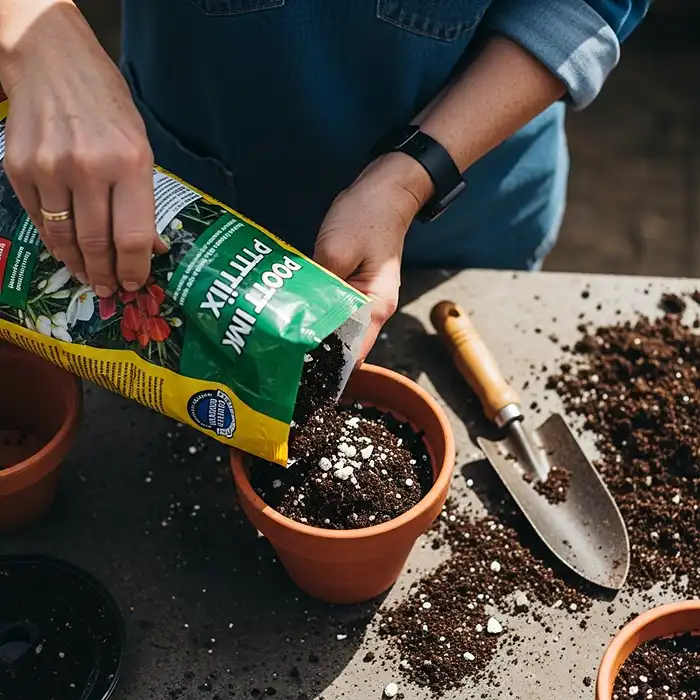
What Actually Goes Into the Best Potting Mix for Containers
Okay, so what should you be looking for in a potting mix for containers?
Here’s the breakdown:
- Base material (50–60%): Peat moss or coco coir to hold moisture
- Aeration stuff (20–30%): Perlite or pumice to keep it fluffy and prevent compaction
- Organic matter (20–30%): Aged compost for nutrients and beneficial microbes
You want a pH between 6.0 and 6.8 for most veggies.
Pro tip: Pre-moisten your mix before planting. Dry peat-based mixes actually repel water at first (weird, I know), which creates uneven wet spots that stress out new transplants.
For more details on setting up a productive container garden, this container gardening for food guide has a ton of helpful info.
Mistake #6: Forgetting That Nutrients Wash Away (Like, Constantly)
Container veggies need way more fertilizer than in-ground plants, and here’s why: every time you water, nutrients literally wash out the drainage holes.
During hot weather when you’re watering daily? You’re basically stripping nitrogen, phosphorus, and potassium faster than your plants can use them.
My two-part feeding strategy:
- Mix slow-release granular fertilizer into your potting mix when you first plant
- Feed with water-soluble fertilizer every 7–14 days during the growing season
Watch your leaves—pale green means nitrogen deficiency, purple-tinged tomato leaves usually mean phosphorus deficiency (often from cold soil or transplant shock).
Mistake #7: Ignoring That White Crusty Stuff on Your Pots
See those white deposits around the rim of your pots? That’s not just cosmetic—it’s toxic salt buildup from fertilizer and tap water.
These accumulated salts burn root tips and mess with water absorption. Not good.
Fix it with quarterly “flushing”: run about twice the pot’s volume of water through the soil and let it drain completely. This washes out excess salts.
Rainwater’s naturally lower in dissolved salts than tap water, so if you can collect it, your plants will love you for it.
Mistake #8: Leaving Soil Surfaces Bare (Such a Simple Fix)
Bare soil loses moisture 2–3 times faster than mulched containers—I learned this the hard way during a particularly brutal heat wave.
Temperature swings at the soil surface also stress your plants’ shallow feeder roots.
Easy solutions:
- Add 1–2 inches of organic mulch (shredded leaves, straw, wood chips)
- Plant low-growing herbs as living mulch around your veggies
- Keep mulch about an inch away from plant stems to prevent rot
Watering Mistakes (AKA How to Kill Plants with Kindness)
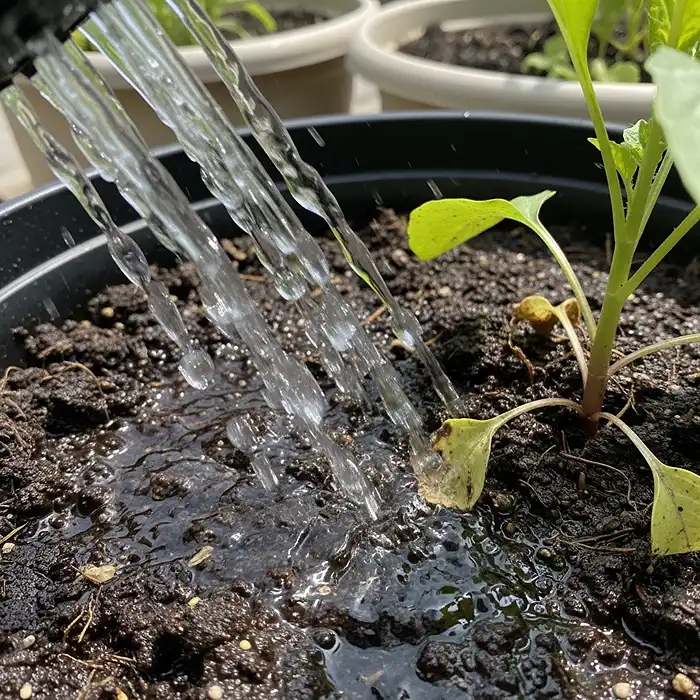
Mistake #9: Letting Your Soil Get Bone Dry (Then Wondering Why Water Won’t Soak In)
Ever tried to water a container and the water just… runs right off the surface? Or it seems to disappear down the sides without actually wetting the soil?
That’s peat-based mix gone hydrophobic—basically, it’s gotten so dry that it actually repels water now. Super annoying.
The fix: Bottom watering. Set your pot in a tray of water for 30–60 minutes and let moisture wick upward. For really dried-out pots, add one drop of dish soap per gallon of water to break the surface tension.
Yeah, it’s a pain, but it’s the only way to properly rehydrate bone-dry containers.
Mistake #10: Watering the Leaves Instead of the Soil
I get it—it’s satisfying to spray everything down with the hose. But wet foliage is basically an invitation for fungal diseases like powdery mildew, early blight, and all kinds of nastiness.
Point your water at the soil surface, not the plant. Water in the morning so anything that does get splashed dries quickly.
Drip irrigation or soaker rings are clutch for this—they deliver water right to the root zone while keeping leaves dry. According to research from the University of Maryland Extension, proper watering technique is one of the most critical factors in preventing common vegetable diseases.
Mistake #11: Not Realizing How Hot Pots Actually Get
Dark containers sitting in full sun? They’re basically slow-cooking your plant’s roots.
I once measured the soil temperature in a black plastic pot during summer—it was 102°F. Way too hot for healthy root function (95°F is where damage starts).
Heat management tricks:
- Choose light-colored pots in hot climates
- Double-pot (put your growing pot inside a larger decorative pot with an air gap for insulation)
- Use shade cloth during heat waves
- Put containers on wheels so you can move them to shadier spots
Mistake #12: Having Zero Backup Plan When You Go Out of Town
Even 48 hours without water during peak summer can cause permanent blossom drop in tomatoes and peppers. I learned this on a long weekend trip where I came home to sad, flower-less plants.
Solutions that actually work:
- Self-watering containers with built-in reservoirs
- Clay ollas (porous ceramic pots you bury that slowly release water)
- Battery-powered drip irrigation timers
- A very reliable neighbor with detailed instructions
Don’t just cross your fingers and hope for the best—have an actual plan.
Plant Selection Mistakes (Right Plant, Wrong Home)
Mistake #13: Growing Full-Size Varieties in Containers (Recipe for Disappointment)
Standard “Better Boy” tomatoes or “California Wonder” peppers are genetically programmed to develop massive root systems. They’re bred for in-ground gardens, not pots.
Trying to grow vegetables in containers that weren’t designed for it? You’ll get mediocre results no matter how much you baby them.
Better approach: Look for dwarf, patio, or bush varieties specifically bred for containers. Think “Patio Princess” tomatoes, “Lunchbox” peppers, “Spacemaster” cucumbers.
These varieties give you comparable yields from smaller, more efficient plants that actually thrive in pots.
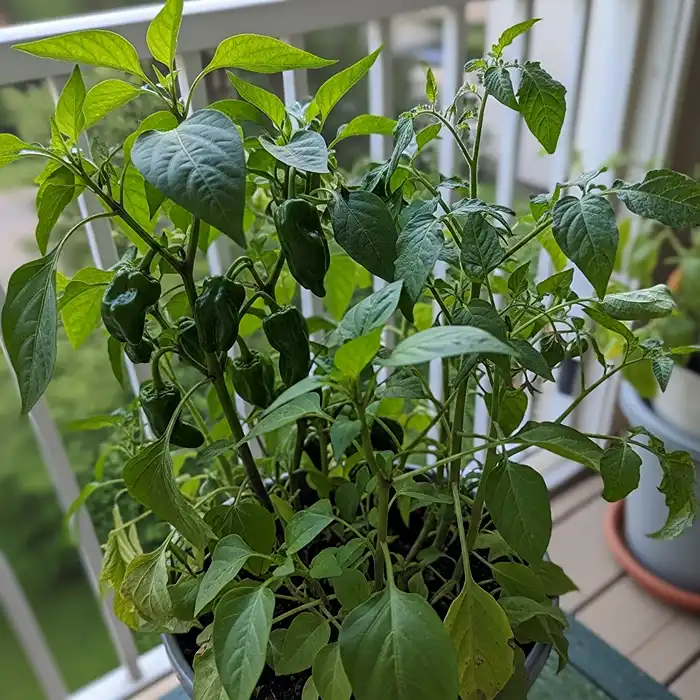
Mistake #14: Overcrowding Because “More Plants = More Food” (Nope)
Three pepper plants in a 12-inch pot might look lush at first, but they’ll quickly start competing for nitrogen, light, and water.
Plus, crowding kills air circulation, creating humid little microclimates that fungal diseases absolutely love.
Actual spacing you need:
- One tomato per 5+ gallon pot
- One pepper per 5-gallon pot
- 2–3 lettuce plants per 12″ pot
- 2–3 bean plants per 12″ pot
Plan for mature plant size, not how big they are when you buy them as seedlings. Future-you will thank you.
Mistake #15: Skipping “Hardening Off” (Then Watching Your Plants Freak Out)
Transplanting greenhouse seedlings straight into outdoor containers is like throwing someone from air conditioning directly into a sauna—major shock.
Indoor plants have soft cell walls and haven’t developed protective leaf coatings yet. Sudden wind, temperature swings, and direct sun can stunt growth for weeks.
Hardening routine: Over 7–10 days, gradually increase outdoor exposure. Start with 1–2 hours of morning shade, slowly extending time and sun intensity each day.
It’s annoying but makes a huge difference in how fast plants establish.
Mistake #16: Underestimating Wind (Especially on Balconies)
Balconies and rooftops can turn into wind tunnels that dry out soil crazy fast and knock over top-heavy plants.
Wind protection strategies:
- Heavy ceramic or terracotta pots with wide bases
- Locking wheels on rolling stands
- Position containers against walls or railings
- Anchor trellises to stable structures, not just the pot
I once had a beautiful tomato plant topple right off my balcony in a windstorm. Learn from my pain.
Advanced Tips for Avoiding Common Mistakes When Growing Vegetables in Containers
Mistake #17: Waiting Too Long to Add Plant Supports
Jamming stakes or cages into established root balls damages feeder roots and stresses your plants right when they need stability.
Install tomato cages, bean trellises, and pepper stakes at planting time when roots haven’t spread yet. So much easier and way less traumatic for the plant.
Mistake #18: Ignoring Your Specific Microclimate
Container gardening amplifies whatever climate conditions you’ve got.
Short-season zones: Start transplants indoors 6–8 weeks early. Pre-warm your potting mix in a sunny spot before planting.
Desert climates: Double-pot for insulation and use reflective surfaces to combat heat.
Urban areas: Concrete and asphalt create heat island effects—your balcony containers might run 10–15°F hotter than ground-level gardens.
Mistake #19: Guessing Instead of Actually Measuring
A $10 soil moisture meter takes all the guesswork out of watering potted vegetables.
Insert it halfway down the pot—when it reads “dry,” it’s time to water. Game-changer for preventing both overwatering and underwatering.
Automated irrigation timers also ensure consistency even when life gets chaotic and you forget to check on things for a few days.
Mistake #20: Giving Up After One Bad Season
Listen, container gardening has a learning curve. Your first season is for gathering data, not necessarily for feeding your entire family.
Keep a simple journal: which varieties did well, which pots worked, when problems showed up. This record transforms failures into useful information for next year.
Most people who think they’re “bad at gardening” just haven’t figured out their specific conditions yet. Give yourself some grace.
Quick Answers to Common Container Gardening Questions
Can I reuse container soil every year?
Yep, with proper refreshing. Mix in 2–3 inches of fresh compost, add more perlite to restore fluffiness, and flush out accumulated salts with deep watering before planting. I completely replace soil every 2–3 years though.
How often should I fertilize potted vegetables?
Every 7–14 days with water-soluble fertilizer during active growing season (spring through summer). Plus slow-release granular fertilizer mixed in at planting for baseline nutrition.
Why are my tomato leaves turning purple?
Usually phosphorus deficiency triggered by cold soil (below 55°F), transplant shock, or poor root establishment. Make sure your soil’s warm and pots are properly sized before transplanting.
Bottom Line: Most Container Mistakes Are Totally Fixable
Here’s the truth about common mistakes when growing vegetables in containers: they’re predictable, preventable, and honestly, we’ve all made them.
Success really comes down to understanding that containers are controlled ecosystems. They need precise management—properly-sized pots, quality soilless mix, consistent watering and feeding, and varieties that actually work in confined spaces.
Your container garden won’t forgive neglect (trust me), but it’ll absolutely reward attention with fresh harvests right outside your door. And once you dial in what works for your specific situation? It gets way easier.
Start with the basics, avoid these rookie mistakes, and you’ll be growing actual food instead of sad, struggling plants that make you question your life choices.
Now get out there and give those plants the home they deserve—preferably in a pot that’s bigger than you think it needs to be. 🌱