

Best Herbs to Grow in Pots (Indoor & Outdoor Guide)
Stop killing herbs! These 10 best herbs to grow in pots thrive indoors & outdoors—even if you forget to water. Get foolproof tips that guarantee fresh harvests year-round. Start your kitchen garden today!
Here’s the deal: these 10 best herbs to grow in pots aren’t just random picks from a garden catalog. They’re battle-tested champions that actually survive in containers, taste amazing in your cooking, and don’t demand a horticulture degree to keep alive.
Whether you’re setting up an indoor herb garden kit on your kitchen counter or claiming a corner of your balcony, this guide’s all about herbs that deliver real results—not Instagram-worthy flops.
Look, I’ve killed enough “easy” herbs to know that not all container advice works in the real world. So let’s talk about what actually grows.
Table of Contents
Why Growing Herbs in Pots Makes Strategic Sense (Indoor & Outdoor)
You’re the Boss of What Goes In
Growing the best herbs to grow in pots at home means you’re in complete control—and honestly? That’s kinda empowering.
You decide what fertilizers touch your food (if any), you skip the mystery pesticides, and you harvest leaves that were photosynthesizing on your windowsill literally five minutes ago. Try getting that level of freshness from the grocery store’s sad plastic clamshells. Plus, you’re dodging all the handling contamination that happens between commercial farms and your fridge.
The flavor difference is wild, too. Herbs harvested at peak freshness taste like they mean it.
The Math Actually Makes Sense
Let’s get real about money for a second.
That tiny bunch of organic basil at the store? You’re dropping $3–5 for maybe a week’s worth if you’re lucky. Now compare that to a $4–6 starter plant that’ll pump out leaves for three to four months straight. Or better yet, a $2–3 seed packet that keeps producing even longer.
Over one season, you’re looking at 400% ROI with plants and 800% with seeds. An indoor herb garden kit ($30–60) pays for itself in two months compared to buying fresh herbs weekly.
Your wallet will thank you. So will your pasta dishes.
Works Anywhere (Yes, Even Tiny Apartments)
Here’s the beautiful part: you don’t need a backyard.
Balconies, patios, kitchen windowsills—they all work. I’ve seen studio apartment dwellers run impressive herb operations with nothing but a south-facing window and some creative shelf arrangements. Container gardening for food gives you mobility garden beds can’t match. Cold snap coming? Move everything inside. Sun shifting with the seasons? Just relocate your pots.
Small spaces become productive spaces when you’re working with containers.
The Physics of Successful Herb Growth in Containers
Light Is Everything (And Windows Lie)
Okay, this might sound dramatic, but light is literally the currency your herbs trade for growth.
Outdoors, you want a solid 6 hours of direct sun minimum. Indoors? Either 6+ hours of unobstructed sunlight OR 12–16 hours under LED grow lights for herbs. Here’s the sneaky part: light intensity drops exponentially as you move away from windows. That cozy spot three feet back from your south-facing window? It’s getting only 20% of the light hitting the sill. Your herbs notice.
LED grow lights for herbs should sit 6–12 inches above your plants. Adjust as they grow.
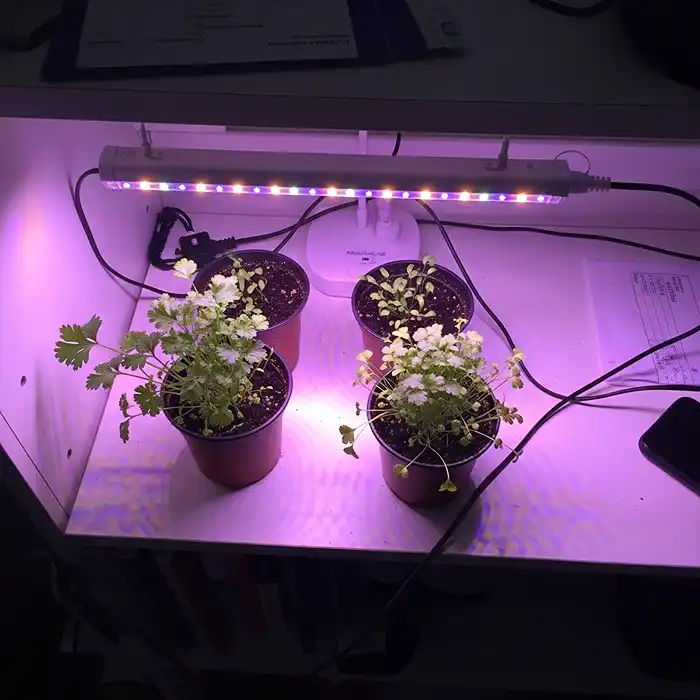
Also, plants lean toward light like they’re trying to catch the last slice of pizza at a party—it’s called phototropism. Rotate your pots 90° every week so they grow straight instead of doing the Leaning Tower of Pisa impression.
Why Regular Dirt Fails in Pots (The Oxygen Story)
Plot twist: garden soil is terrible for containers.
It compacts like crazy, squeezing out all the air pockets your roots desperately need. No air = no oxygen = root rot = dead herb = sad cook. This is probably the #1 killer of container herbs, and it’s completely preventable.
Mix this instead:
- 1/3 quality potting soil
- 1/3 finished compost (feeds your plants)
- 1/3 perlite (those white volcanic chunks that keep everything airy)
For indoor setups, a soil-less potting mix works even better—think coco coir or peat-based blends. They manage moisture like pros and don’t attract fungus gnats the way regular soil does. According to the National Garden Bureau, proper drainage is the foundation of successful container gardening.

Temperature Tricks Your Window Is Playing
Windows are sneaky temperature manipulators.
That “cold sink” effect near glass drops nighttime temps by 10–15°F compared to the rest of your room. Basil starts freaking out below 50°F—you’ll see brown spots and stunted growth. Keep your indoor herbs between 60–75°F with minimal swings.
Winter herb gardening indoors? Pull containers away from cold windows at night, or hang thermal curtains. And definitely don’t park pots next to heating vents—they’ll dry out faster than you can say “crispy leaves.”
Top 10 Best Herbs to Grow in Pots (Ranked by Success Rate)
1. Chives – The Unkillable Champion
Chives are basically the honey badgers of the herb world—they just don’t care.
Partial light? Fine. Forgot to water for a few days? Whatever. Temperature fluctuations? Bring it on. Use the “haircut” method: chop stems down to 2 inches above soil, and they’ll bounce back in days. If you’re new to growing herbs in pots, start here. Your confidence (and omelets) will thank you.
2. Mint – Grows Like a Weed (Because It Basically Is)
Mint thrives in partial shade and spreads like gossip in a small town.
Those underground runners (rhizomes) make mint dangerous in garden beds—it’ll take over your whole yard. But in a container? That aggressive growth becomes a feature, not a bug. Just give mint its own pot or it’ll bully its neighbors. It forgives watering mistakes better than Mediterranean herbs, making it perfect for beginners still figuring out the whole moisture thing.
Pro tip: mojitos taste better when the mint came from your windowsill.
3. Basil – The Warm-Weather Overachiever
When conditions are right, basil produces more leaves per square foot than any other culinary herb.
Here’s the secret: pinch the center stem once your plant hits 6 inches tall. This breaks “apical dominance” (fancy term for “the top controls everything”) and forces the plant to grow sideways instead of just up. You’ll double your harvest points. Repeat every two weeks and you’ll be drowning in caprese salads.
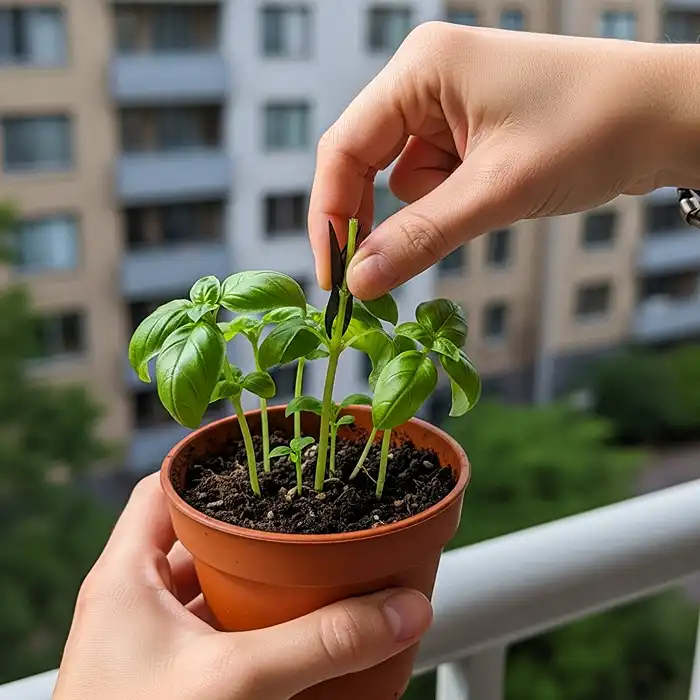
Basil needs heat (65°F minimum) and tons of light—perfect for summer patios or year-round indoor setups with LED grow lights for herbs.
4. Parsley – The Deep Thinker
Parsley’s got a serious taproot situation going on, so shallow pots won’t cut it.
You need at least 8–10 inches of depth for parsley to reach its full potential. Harvest the outer stalks and leave the center crown alone—this keeps the plant producing for 8–10 months from one planting. It handles partial shade better than basil, so north-facing balconies work fine.
Flat-leaf or curly? Flat-leaf has better flavor, but curly looks prettier. Your call.
5. Rosemary – The Drought-Loving Mediterranean
Rosemary evolved on dry, rocky hillsides, so it’s basically offended by overwatering.
Terracotta pots are your best friend here—the porous clay wicks away excess moisture. Let the top 2 inches dry out completely between waterings. Most rosemary deaths happen from kindness (too much water), not neglect. It needs maximum light indoors but handles cool temps like a champ.
Fresh rosemary on roasted potatoes is a life-changing experience, by the way.
6. Thyme – Set It and Forget It
Thyme actually prefers lean, poor soil—it’s the minimalist of the herb world.
That low, trailing growth looks gorgeous spilling over container edges. Outdoor pots in full sun produce the strongest flavor because thyme concentrates essential oils under stress. It tolerates drought way better than frequent watering, making it ideal if you travel on weekends or just… forget sometimes.
No judgment. We’ve all been there.
7. Oregano – Sun Worshipper with Attitude
Oregano gets stronger and more pungent under intense sun.
Counterintuitively, stress conditions (bright light, lean soil) create better flavor than pampering. Don’t overfertilize oregano—you’ll get lush but bland leaves. Like thyme, it wants to dry out between waterings and thrives on benign neglect. These Mediterranean herbs basically reward you for being a slightly negligent plant parent.
8. Cilantro – Fast, Furious, and Finnicky
Cilantro’s the speedrunner of herbs—45 to 60 days from seed to harvest.
You get both leaves and seeds (coriander) from the same plant, which is pretty efficient. The catch? It bolts (flowers prematurely) faster than you can say “taco Tuesday.” Combat this by choosing slow-bolt varieties, giving it afternoon shade in hot weather, and keeping soil consistently moist.
Plant new seeds every 2–3 weeks for continuous supply. It’s worth the effort if you love Mexican or Thai food.
9. Lemon Balm – Mint’s Calmer Cousin
Lemon balm combines mint’s toughness with a lovely citrus aroma.
It tolerates partial light (4–6 hours) and forgives inconsistent care—basically the chill friend who doesn’t hold grudges. Works great in indoor herb garden kit setups because it doesn’t demand perfect conditions. The leaves make incredible tea and add brightness to summer drinks.
Plus it smells amazing when you brush past it. Aromatherapy bonus.
10. Micro-Basil & Rocket (The Impatient Gardener’s Hack)
Not ready to commit to full-sized herbs? Microgreens have your back.
Harvest micro-basil and rocket (arugula) at 7–14 days when the first true leaves appear. They deliver concentrated flavor for garnishing and work in low-light conditions that would frustrate mature plants. Perfect for compact spaces or testing out that indoor herb garden kit before going all-in.
Instant gratification in plant form.
Strategic Maintenance for Herbs in Pots
Feed Them (But Not Too Much)
Container growing depletes nutrients faster than ground planting—there’s nowhere for roots to explore.
Use liquid seaweed fertilizer every 2 weeks at half strength. Here’s the thing: excess nitrogen makes herbs grow fast and leafy but bland. For maximum flavor, you want balanced nutrition, not rocket fuel. Slight nutrient stress actually concentrates the aromatic compounds you’re growing these herbs for in the first place.
Less is genuinely more here.
Water Smart, Not Hard
The finger test prevents 90% of watering mistakes: stick your finger in the top inch of soil.
Dry? Water. Still moist? Wait. Outdoor containers dry faster because of wind and heat—you might water daily in summer. Indoor herbs in pots typically need watering 1–2 times weekly depending on humidity. Winter herb gardening requires 30–50% less water as metabolism slows and evaporation drops.
When in doubt, underwater rather than overwater. Root rot kills faster than drought.
When to Upgrade or Divide
Roots circling the container walls or poking out drainage holes? Time for action.
Aggressive spreaders like mint and lemon balm benefit from root division every 12–18 months. Pull the plant, slice the root ball into quarters (yes, really), and replant in fresh soil-less potting mix. This rejuvenates growth and gives you extras to share or expand your collection.
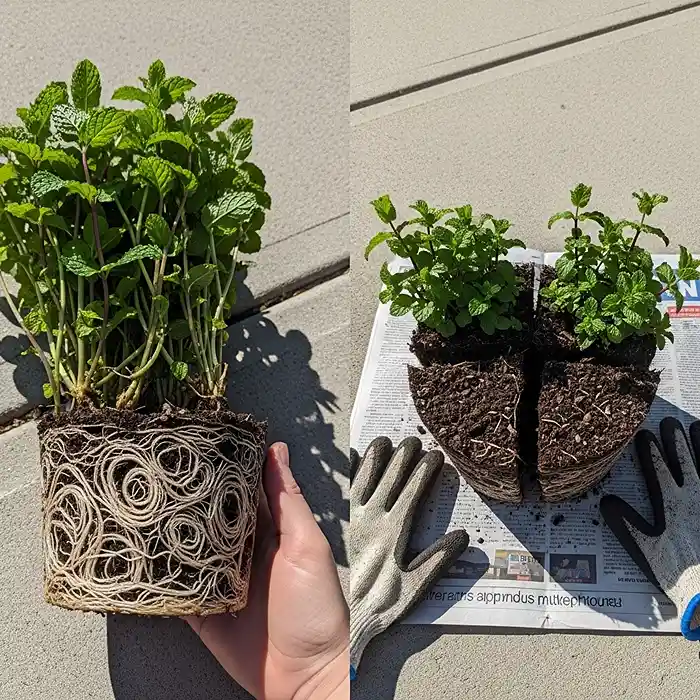
For other herbs, upgrade to a pot 2–3 inches larger when roots occupy more than 70% of the soil volume.
Integrated Pest Management (IPM) for Container Herbs
Aphids & Spider Mites (The Tiny Jerks)
These sap-sucking pests cluster on new growth and leaf undersides like uninvited party guests.
First line of defense: blast them off with a strong spray from your kitchen sink or hose. For persistent infestations, mix 1–2 tablespoons of mild dish soap per gallon of water and spray affected plants. Repeat every 3–4 days until they’re gone.
Weekly inspections catch problems before they explode into full-blown infestations.
Fungus Gnats (The Overwatering Indicator Species)
Those annoying little flies hovering around your pots? That’s your soil telling you it’s too wet.
The larvae feed on organic matter and roots in saturated soil. Let the top inch dry completely between waterings—this breaks their reproductive cycle. Mix more perlite into your soil-less potting mix to improve drainage permanently.
Yellow sticky traps catch adults but don’t fix the actual problem. Adjust your watering habits for real control.
Frequently Asked Questions (Featured Snippet Optimized)
Can I use garden soil in pots for growing herbs?
Nope, and this is a hill I’ll die on. Garden soil compacts in containers, squeezes out oxygen, and causes root rot. Use actual potting mix or make your own with potting soil, compost, and perlite. Your herbs will live way longer.
How much sun do the best herbs to grow in pots actually need?
Most culinary herbs want at least 6 hours of direct sun outdoors. Indoors, you need either 6+ hours of bright, unobstructed sunlight or 12–16 hours under LED grow lights for herbs positioned 6–12 inches above the leaves.
Which herbs in pots can I plant together?
Group by water needs or you’ll frustrate yourself:
- Dry crew: Rosemary, Thyme, Oregano
- Moist crew: Basil, Parsley, Cilantro, Mint
Don’t mix these groups in one pot—conflicting watering needs = stressed plants = mediocre harvests.
Can herbs survive winter indoors?
Absolutely, with proper light and stable temps between 60–75°F. LED grow lights for herbs become non-negotiable for winter herb gardening in northern climates where natural light disappears for months. Think of it as extending summer for your kitchen garden.
30-Day Starter Plan (Beginner Framework)
Week 1: Start with chives or mint—both forgive mistakes and establish quickly. Build your confidence here.
Week 2: Add basil if you’ve got warmth and light, or parsley for cooler spots. Two herbs is plenty for now.
Week 3: Install LED grow lights for herbs if natural light clocks in under 6 hours daily. Set a timer for consistent 14-hour photoperiods. Your herbs appreciate routine.
Week 4: Begin diluted seaweed fertilizer applications. You’re officially maintaining a system now.
Goal: Master one high-success herb before expanding your collection. Learn how your specific space affects watering frequency. Observe how light impacts growth rates. This measured approach prevents the overwhelm that kills most beginner enthusiasm (and plants) within the first month.
The best herbs to grow in pots combine bulletproof growth habits with legitimate cooking value. Start with the forgiving varieties in this guide, apply the soil and light fundamentals, and you’ll harvest fresh herbs year-round—no yard required. For more container growing strategies, check out this complete guide on container gardening for food.
Your future self making pesto at 9 PM on a Tuesday will thank you.