

Common Problems Growing Herbs in Pots
Struggling with herbs in pots? Discover 8 common problems growing herbs in pots, from watering and drainage to light, heat, and soil—and learn how to fix them fast.
Let’s be honest — potted herbs look incredibly easy to grow. You buy a cute little basil plant, set it on your windowsill, water it every day, and then watch it slowly die while you wonder what went wrong.
You’re not alone. Even experienced gardeners run into the same frustrating cycle. The good news? Most common problems growing herbs in pots come down to just a handful of fixable mistakes — overwatering, poor drainage, bad soil, not enough light, and incompatible plant pairings. Nail those, and you’ll eliminate about 90% of failures before they even start.
Let’s dig in (pun absolutely intended).
Table of Contents
Why Do Potted Herbs Fail? The Real Reasons
Before we jump into specific fixes, here’s a quick reality check: container herbs live in a completely different environment than garden herbs. Their roots can’t spread out to find water or nutrients. They depend entirely on you for everything — airflow, drainage, light, and soil quality.
That’s why the same plant that thrives in a garden bed can struggle in a pot. It’s not you, it’s the container. Well… sometimes it’s you. Let’s figure out which.
1. Common Problems Growing Herbs in Pots: Wilting (It’s Not Always Thirst)
Wilting is almost always the first distress signal — and almost always misdiagnosed.
Overwatering: The #1 Killer of Potted Herbs
Here’s the counterintuitive truth: your herb is probably wilting because you’re watering it too much, not too little. When soil stays too wet, it pushes oxygen out, roots suffocate, and the plant collapses — even though the soil is soaking wet.
Signs you’re overwatering:
- Leaves are limp and soft but the soil feels damp
- Yellowing starting from the bottom leaves upward
- A sour or musty smell coming from the pot
- Black or brown stems near the base
Immediate fix: Stop watering. Let the pot go through a full dry cycle. Check that drainage holes aren’t blocked, and improve airflow around the container.
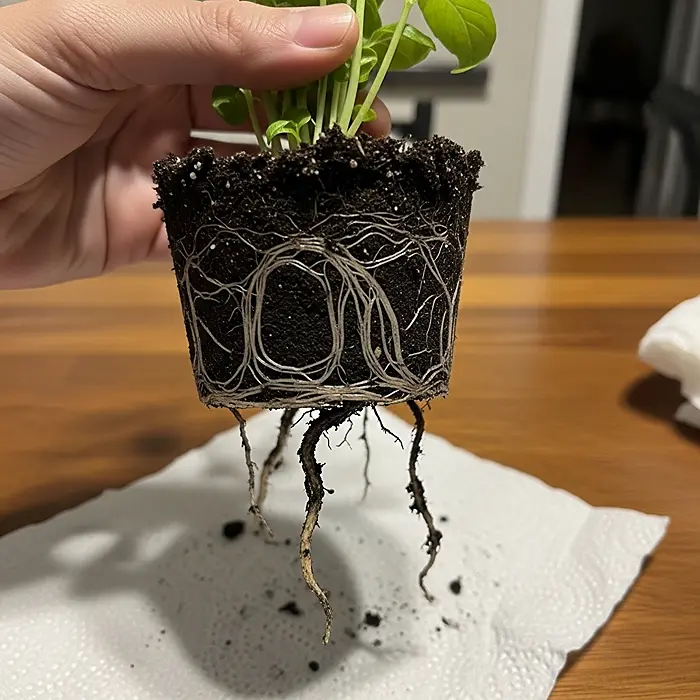
Underwatering: What It Actually Looks Like
Underwatered herbs look different from overwatered ones — leaves go crispy and papery at the edges rather than soft and collapsed. If the soil is pulling away from the sides of the pot, it’s bone dry.
Don’t just dump a full jug of water on it. Rehydrate slowly — small amounts every 30 minutes — so the soil actually absorbs it instead of letting it run straight through.
The Perched Water Table Problem Nobody Talks About
Here’s a sneaky one. Even if your pot has drainage holes, water still accumulates at the bottom of the container — this is called the perched water table, and it keeps roots sitting in saturation even when the surface looks dry.
How to fix it:
- Mix 20–30% perlite into your potting soil for better aeration
- Use breathable pots like terracotta or fabric grow bags
- Elevate pots on risers or pot feet for true drainage
2. Common Problems Growing Herbs in Pots: Disease
Root Rot — Silent, Fast, and Totally Preventable
Root rot is what happens when overwatering goes unchecked. Fungal pathogens move in, roots turn brown and mushy, and by the time the plant looks sick above ground, the damage below is already serious.
Rescue steps:
- Unpot the herb and inspect the roots
- Trim all brown or mushy roots with sterile scissors
- Repot into fresh, dry soil mix
- Hold off watering for 48–72 hours
Caught early, herbs recover surprisingly well. Don’t give up on a plant just because it looks rough.
Powdery Mildew and Fungal Spots
White dusty coating on leaves? Brown spots appearing out of nowhere? That’s fungal disease, and it loves humid, stagnant air.
- Remove affected leaves immediately
- Space your pots further apart to improve airflow
- Spray with diluted neem oil weekly until the problem clears
Damping-Off in Seedlings
If your seedlings are collapsing at the soil line, that’s damping-off — a fungal issue that spreads through non-sterile potting mix. Always use a sterile seed-starting mix and water from the bottom rather than overhead. It keeps the surface drier, which fungal spores absolutely hate.
3. Common Problems Growing Herbs in Pots: Pest Invasions
Aphids, Spider Mites, and Whiteflies
These three love hanging out on the undersides of leaves where you’re least likely to look. The first clue is often sticky residue (called honeydew) on leaves or nearby surfaces.
Treatment plan:
- Blast them off with a strong stream of water first
- Apply insecticidal soap every 5–7 days for three weeks
- Switch to neem oil for stubborn infestations
Fungus Gnats: The Overwatering Warning Sign
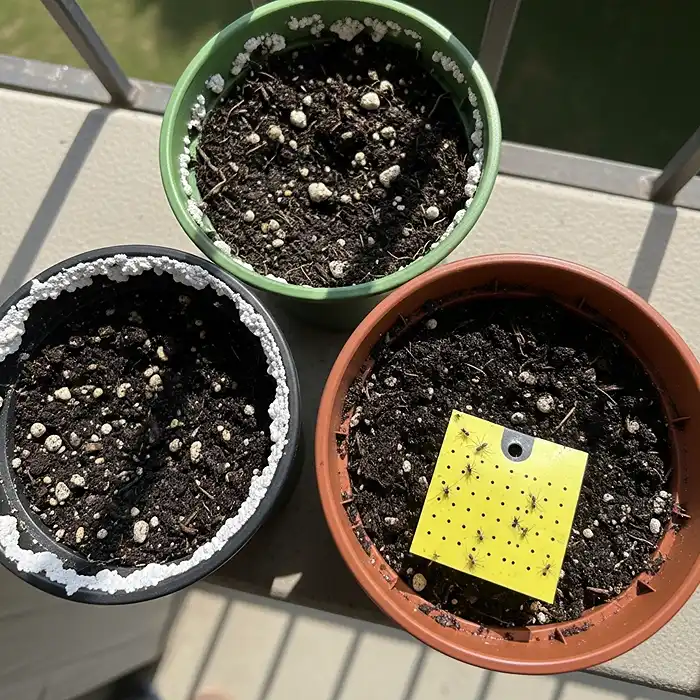
Tiny flies hovering around your soil aren’t just annoying — they’re a signal. Fungus gnat larvae thrive in consistently moist soil and quietly damage roots while the adults drive you crazy.
Fix the moisture problem first, then:
- Use yellow sticky traps near the soil surface
- Top-dress with a thin layer of coarse sand to discourage egg-laying
The Best Pest Strategy? Prevention
Quarantine any new plant for one to two weeks before it joins your herb collection. Inspect leaf undersides weekly. Keep airflow moving between pots. A five-minute check once a week saves you weeks of treatment later.
4. Soil Problems: The Foundation of Every Container Herb Issue
Why Garden Soil Is the Wrong Choice for Pots
Garden soil compacts under repeated watering in containers. Once compacted, it chokes off oxygen and drains poorly — which is basically the worst possible combination for herb roots. This is one of the most common container gardening mistakes people make, especially beginners.
The Best Soil for Pots (Build It Yourself)
Skip the generic bags and build a mix that actually works:
- ⅓ quality compost — nutrients and microbial activity
- ⅓ perlite or coarse sand — aeration and drainage
- ⅓ quality potting base — water retention and structure
Mediterranean herbs like rosemary, thyme, and oregano prefer an even grittier ratio. Go heavier on the perlite for those.
If you’re still figuring out which herbs to grow in the first place, check out this guide to the best herbs to grow in pots (indoor & outdoor) — it pairs perfectly with everything we’re covering here.
Salt Buildup: The Slow Burn Problem
See white crusty residue forming on your soil surface or pot rim? That’s salt and mineral buildup from tap water and fertilizers. Left alone, it causes leaf tip burn and stunted growth.
Every 6–8 weeks, flush your pots thoroughly with distilled or filtered water until it runs freely from the drainage holes. Simple, fast, and genuinely makes a difference.
5. Fertilizer Mistakes That Quietly Ruin Your Herbs
More Fertilizer = Less Flavor (Yes, Really)
Excess nitrogen creates lush, fast, soft growth — but it dilutes the essential oils that give herbs their aroma and taste. Heavily fertilized basil tastes weak. Go easy.
Signs Your Herb Is Underfed
- Pale or yellowing leaves despite good light
- Stunted new growth
- Generally tired-looking plants
A Feeding Schedule That Actually Works
- Every 2–4 weeks during spring and summer active growth
- Once a month in autumn; stop completely in winter
- Use organic slow-release fertilizer as your base, with diluted liquid fertilizer during peak growing season
According to the Royal Horticultural Society, container herbs benefit most from balanced, low-dose feeding rather than heavy applications — less really is more when it comes to herb nutrition.
6. Light and Temperature: Silent Growth Killers
What “Enough Light” Actually Means for Indoor Herbs
Most herbs need 6–8 hours of direct sunlight daily, minimum. A south-facing window is your best bet indoors. If you can’t provide that naturally, a full-spectrum LED grow light positioned 4–6 inches above the canopy is a solid, affordable fix.
Etiolation: When Your Herb Is Basically Panicking
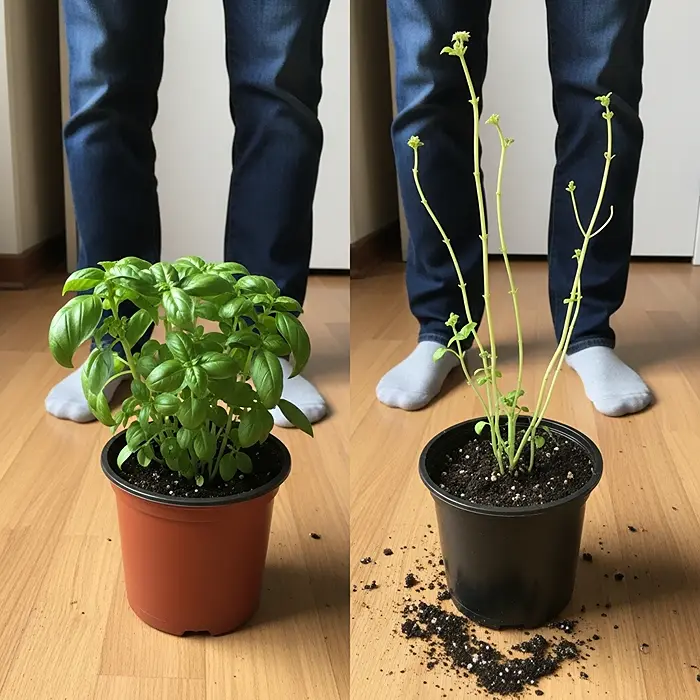
Long, stretched stems, tiny leaves, huge gaps between nodes — that’s etiolation, and it means your herb is reaching desperately for more light.
Move it closer to the light source and rotate the pot a quarter turn every few days so every side gets even exposure.
Root Zone Heat Stress
Dark plastic or metal pots absorb and amplify heat in summer. This can literally cook roots from the outside in. Switch to terracotta, wrap pots in burlap, or double-pot with an insulating layer between containers.
7. Container Gardening Mistakes Worth Avoiding
Choosing the Wrong Pot Size
Too small and it dries out too fast, restricting roots. Too large and it holds excess moisture, inviting rot. Most culinary herbs do best in 6–8 inch pots — size up only when the plant visibly needs it.
Skipping Drainage Holes (Please Don’t)
Gravel at the bottom of a pot doesn’t create drainage — it actually raises the perched water table higher into the root zone. Every single pot needs actual drainage holes. No workarounds.
Pairing the Wrong Herbs Together
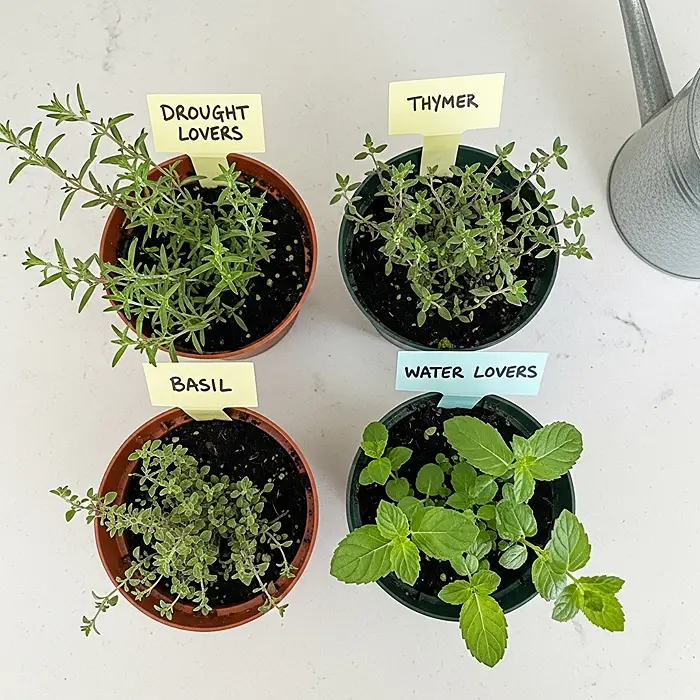
This is classic herb garden troubleshooting that should happen before planting, not after. Grouping drought-tolerant herbs with moisture-lovers is a recipe for one of them dying.
Group by water needs:
- Drought-tolerant: Rosemary, thyme, oregano, sage
- Moisture-loving: Basil, mint, chives, parsley
And whatever you do, keep mint in its own pot. It’s basically the plant kingdom’s most aggressive roommate.
8. Maintenance Errors That Sneak Up on You
Pruning Wrong (or Not at All)
Always cut just above a leaf node — never mid-stem. This encourages the plant to branch outward rather than grow tall and spindly.
Letting Herbs Bolt
The moment herbs start flowering, leaf production slows and flavor drops noticeably. Pinch off flower buds as soon as you spot them. Your cooking will thank you.
Skipping the Annual Soil Refresh
Potting mix breaks down over 12 months — it compacts, loses nutrients, and stops draining properly. Refresh or replace your soil every year. It’s one of the highest-return habits in container herb gardening.
Quick-Fix Checklist for Common Problems Growing Herbs in Pots
- ✅ Fix drainage before reaching for the fertilizer
- ✅ Increase light before increasing water
- ✅ Repot before roots visibly decline
- ✅ Flush salts every 6–8 weeks
- ✅ Group herbs by water needs, not just aesthetics
- ✅ Refresh soil every 12 months without fail
FAQ: Herb Garden Troubleshooting
Why are my herbs dying even though I water them every day?
Daily watering is almost certainly the problem. Most potted herbs only need water when the top inch of soil is dry. Watering daily creates consistently wet soil, which suffocates roots — one of the most common problems growing herbs in pots.
Can herbs recover from root rot?
Yes, if you catch it early. Trim infected roots, repot in fresh dry soil, and hold off watering for a couple of days. Many herbs bounce back faster than you’d expect.
What is the best soil for pots?
A DIY mix of ⅓ compost, ⅓ perlite, and ⅓ quality potting base works best. Mediterranean herbs prefer an even grittier mix with extra sand or perlite for maximum drainage.
How often should I fertilize indoor herbs?
Every 2–4 weeks during active growth with diluted organic liquid fertilizer. Ease off in autumn and stop completely in winter.
Why do my herbs grow tall and leggy instead of bushy?
Not enough light, and possibly not enough pruning. Move plants closer to your light source and prune regularly above leaf nodes to encourage bushier, more productive growth.