

Best Tomato Varieties for Container Gardening
Find the best tomato varieties for container gardening, with practical advice on pot size, plant type, yield, and small-space growing success.
Table of Contents
Understanding Tomato Growth Types (Determinate vs. Indeterminate)
Before you get starry-eyed scrolling through seed catalogs, you need to understand one fundamental thing: determinate vs indeterminate tomatoes. This isn’t just gardening jargon — it literally determines your pot size, how much pruning you’ll do, and whether your balcony tomato setup looks charming or chaotic.
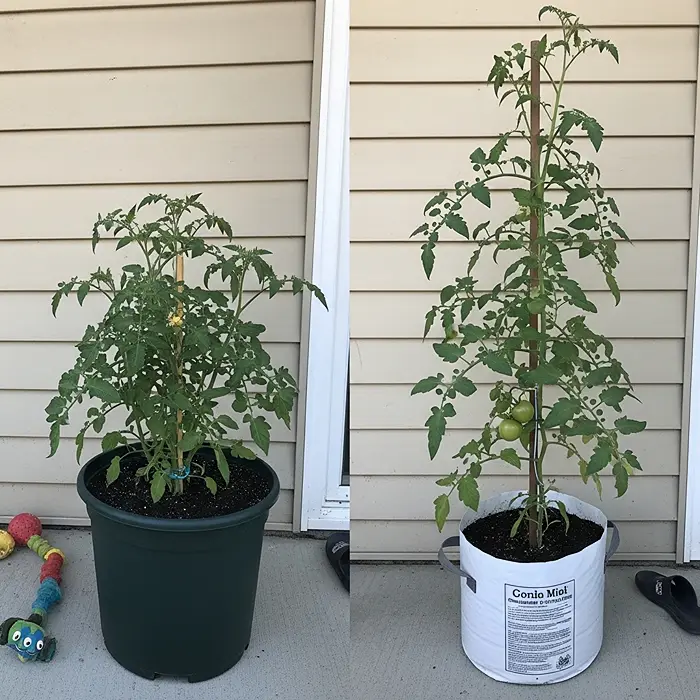
Determinate Tomatoes (Bush Types) – Best for Small Containers
If you’re new to growing tomatoes in pots, determinates are your best friend. These bush-type plants grow to a fixed height — usually 3 to 4 feet — then stop and put all their energy into making fruit. It’s like they have a built-in “okay, that’s enough growing” switch.
- Compact and tidy, topping out at 3–4 feet — no jungle vibes.
- Fruit ripens all at once, which is amazing if you want to make a big batch of salsa or sauce in one go.
- Barely any pruning needed — seriously, you can almost set it and forget it.
- Happy in 5–10 gallon pots, so they won’t hog your whole patio.
- My go-to picks: ‘Bush Early Girl’, ‘Celebrity’, and ‘Little Napoli’.
Indeterminate Tomatoes (Vining Types) – Continuous Harvest
Indeterminate (vining) tomatoes are tall, continuously fruiting plants that keep producing in containers until frost if you give them enough space and support.
- Plan for height: expect 6–10+ ft growth, so choose a spot with real vertical clearance.
- Use a big container: go 15–20 gallons minimum to support the larger root system.
- Install support early: staking or a trellis is non‑negotiable to prevent breakage and tangles.
- Manage growth: tie stems regularly and prune for airflow and easier training.
Quick comparison — Indeterminate vs Determinate
- Harvest: steady all-season vs heavier, more “all-at-once” window
- Support/work: trellis + frequent tying/pruning vs simpler support + less training
- Best fit: experienced growers/max yield vs small spaces/low-maintenance setups
Dwarf & Micro-Dwarf Tomatoes – Perfect for Tiny Spaces
Got a windowsill and a dream? Compact tomato varieties from the dwarf family are made for you. These little guys pack surprising flavor into adorably small plants.
- Just 8–24 inches tall — smaller than most houseplants.
- Thrive in 1–5 gallon pots, including window boxes and cute decorative planters.
- Ideal for balconies, windowsills, and even kitchen counters with enough light.
- Favorites: ‘Tiny Tim’, ‘Tumbling Tom’, and anything from the Dwarf Tomato Project (more on those beauties later).
Top-Rated Tomato Varieties Categorized by Use
Here’s where it gets fun. The best tomato varieties for container gardening aren’t one-size-fits-all — what you want to eat should drive what you plant. Snacking? Sandwiches? Homemade marinara? Let’s match you up.
High-Yield Cherry Tomatoes for Small Spaces
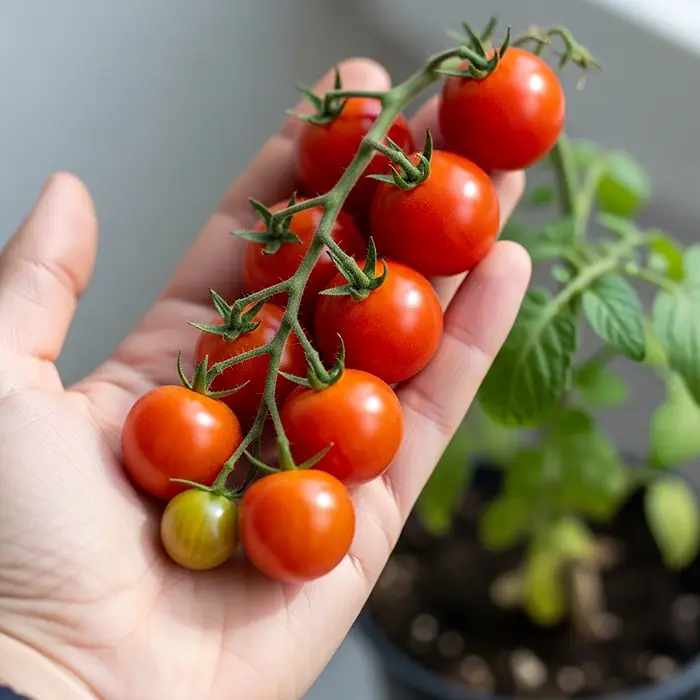
Cherry tomatoes are the MVPs of container gardening. They’re fast, forgiving, and ridiculously productive. If you’ve never grown tomatoes in pots before, start here.
- ‘Tiny Tim’ — This micro-dwarf fits in a 6-inch pot. Six inches. It’s basically a tomato that lives in a coffee mug.
- ‘Tumbling Tom’ — A cascading variety that looks stunning spilling out of a hanging basket. Function and style.
- ‘Sweet Million’ — Produces absurd quantities of candy-sweet cherry tomatoes in larger containers. My kids eat these like popcorn.
All three are fast-maturing patio tomatoes that deliver serious bang for your (tiny) buck.
Heavy-Hitting Slicers for Sandwiches
A summer BLT with a homegrown tomato is a life experience everyone deserves. These slicers give you full-sized fruit from 10–15 gallon pots.
- ‘Bush Early Girl’ — Ready in just 54–62 days. You’ll have tomato sandwiches while everyone else is still staring at green fruit.
- ‘Celebrity’ — The dependable friend of the tomato world. Disease-resistant, flavorful, and performs well in almost any climate.
Meaty Beefsteaks for Container Patios
“You can’t grow beefsteaks in containers.” Oh, yes you can. The Dwarf Tomato Project basically said “hold my watering can” and created beefsteak-flavored varieties that stay under 3 feet.
- ‘Rosella Purple’ — Beautiful purple-pink fruit with deep, complex flavor. A showstopper on a Caprese plate.
- ‘Tasmanian Chocolate’ — Rich, smoky, and absolutely nothing like what you’d expect from a 3-foot plant.
Heirloom flavor with controlled growth — it’s the best of both worlds.
Sauce and Paste Varieties for Canning
If your summer goal involves a stockpot of homemade marinara, these determinate paste tomatoes are your squad. They’re built for batch harvesting — all the fruit ripens around the same time, so you can cook once and jar for months.
- ‘Little Napoli’ — Bred specifically for containers. Thick-fleshed, low moisture, and incredibly prolific.
- ‘Window Box Roma’ — A Roma tomato compact enough for a window box. The name doesn’t lie.
Choosing the Right Container (Foundation of Success)
You could pick the absolute best tomato varieties for container gardening, but plant them in a tiny pot with no drainage and… it’s not going to end well. Let’s talk containers.
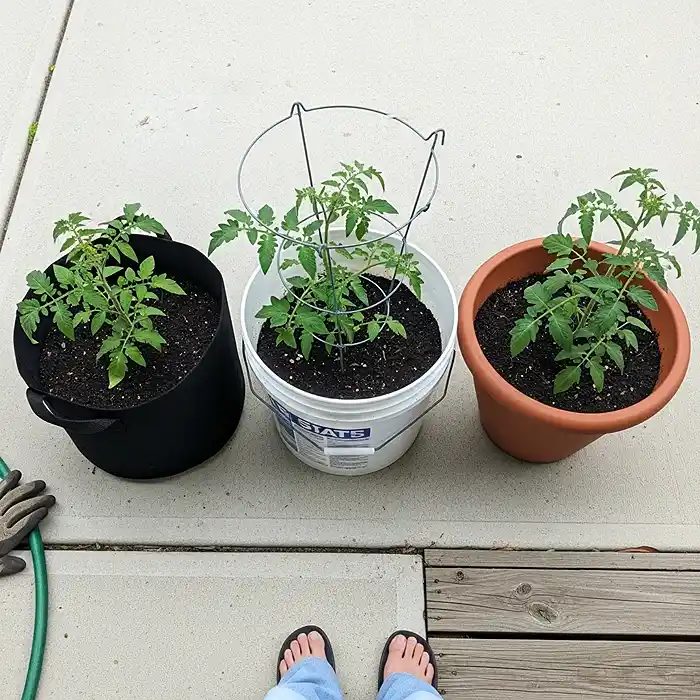
Size Guidelines Based on Variety
This is simple math — match the pot to the plant:
- 1–3 gallons → Micro-dwarfs (‘Tiny Tim’ and friends)
- 5 gallons → Determinate bush types (‘Celebrity’, ‘Bush Early Girl’)
- 10–15 gallons → Slicers and compact indeterminate varieties
- 15–20 gallons → Full-sized indeterminate vines
My rule of thumb? When in doubt, size up. Nobody ever complained about giving their tomato too much root space.
Container Materials Compared
- Plastic: Lightweight, affordable, retains moisture well. Not the prettiest, but honestly, who cares — the tomatoes are the star.
- Fabric grow bags: My personal favorite for growing tomatoes in pots. They provide superior aeration, natural root pruning, and they’re shockingly cheap. Cornell University’s container gardening research confirms that good aeration is critical for healthy root development.
- Terra cotta: Gorgeous on Instagram, but they dry out fast. If you go this route, be ready to water more often in hot weather.
Drainage & Heat Management
Bad drainage kills more container tomatoes than any bug or disease. Here’s what’s non-negotiable:
- Drainage holes are mandatory. No “gravel at the bottom” hack. Actual holes. Period.
- Elevate your pots on pot feet or a small rack so air moves underneath.
- Skip dark-colored containers in hot climates — black pots turn into little ovens and cook roots alive.
- Mulch the soil surface with straw or shredded bark to keep moisture steady and temperatures stable.
For a deeper dive into container setup, soil, and ongoing care, check out our complete guide on how to grow tomatoes in containers — it covers everything from planting day to harvest.
Disease-Resistant Tomato Varieties for Containers
Why Disease Resistance Matters More in Pots
Here’s something people don’t think about enough: container-grown tomatoes are under more stress than their in-ground cousins. They’ve got a limited soil buffer, bigger temperature swings, and often reduced airflow — especially on enclosed balconies. That stress makes them more vulnerable to disease.
Choosing disease-resistant tomatoes isn’t optional in containers. It’s your insurance policy.
Common Resistance Codes to Look For
Those random letters after a variety name on seed packets? They’re actually super useful:
- V — Verticillium wilt resistance
- F — Fusarium wilt resistance
- N — Nematode resistance
- T — Tobacco mosaic virus resistance
More letters = broader protection. Look for them. Love them.
Recommended Disease-Resistant Varieties
- ‘Celebrity’ (VFN) — The gold standard. If I could only recommend one tomato for container gardening, this would be it.
- ‘Bush Early Girl’ — Early and tough. What’s not to love?
- ‘Sweet Million’ — Shrugs off fungal issues like it’s nothing.
- ‘Mountain Magic’ — Exceptional against both late blight and early blight. A hero in humid climates.
The Science of Potting Mix & Nutritional Success
Never Use Garden Soil in Containers
I know it’s tempting. You’ve got a garden bed right there. Free dirt! But trust me — don’t do it. Garden soil in containers compacts into a brick, drains terribly, and brings along every soilborne pest and pathogen from your yard.
Instead, use a soilless potting mix: peat moss or coconut coir, perlite for drainage, and compost for nutrients. This combination gives container tomatoes the aeration, moisture balance, and soil health they need to actually thrive.
The 2-Stage Fertilization Strategy
Container tomatoes are hungry plants, and their nutritional needs shift as they grow:
- Stage 1 (Vegetative Growth): Use a balanced fertilizer with a roughly even NPK ratio to build strong stems and lush foliage.
- Stage 2 (Flowering & Fruiting): Switch to a high-potassium feed. This is what fuels flower set, fruit development, and that incredible homegrown flavor.
Feed with liquid fertilizer every 10–14 days. Slow and steady wins this race — don’t dump a month’s worth of food in at once.
Expert Maintenance for Maximum Yield
Pruning Strategy (Determinate vs. Indeterminate)
This is where people mess up the most, so pay attention:
- Do NOT prune suckers on determinate types. Every sucker becomes a fruit-bearing branch. Snipping them literally removes your future tomatoes.
- Train indeterminate varieties to 1–2 main stems by removing suckers early. It focuses the plant’s energy and keeps things manageable.
- Remove lower leaves on all types once fruit starts forming — it reduces splash-borne diseases and improves airflow around the plant.
Structural Support
Here’s a tip I wish someone had told me sooner: install your cage or stake at planting time. Not two weeks later when the plant is flopping over. Retrofitting support disturbs roots and risks snapping stems.
- Sturdy cages work great for bush and determinate types.
- Tall stakes or trellis systems are better for indeterminate vines that want to reach the sky.
Hand Pollination for Balconies & Indoors
No bees buzzing around your 12th-floor balcony? No problem. Tomatoes are self-pollinating — they just need a little vibration to get the job done.
- Give your plants a gentle shake or tap the flower clusters daily during bloom. Think of it as their morning wake-up call.
- Use a cotton swab to brush pollen between flowers for extra insurance.
- Make sure they’re getting 6–8 hours of direct sunlight — without enough light, flowers drop no matter how much pollinating you do.
Troubleshooting Container-Specific Problems
Blossom End Rot
That ugly dark spot on the bottom of your tomato looks terrifying, but it’s not a disease. It’s a calcium uptake issue caused by inconsistent watering. The fix? Keep your soil moisture steady — no drought-then-flood cycles. And ease up on nitrogen-heavy fertilizers, which can block calcium absorption.
Overwatering & Root Rot
Yellow leaves and a droopy plant usually scream “too much water,” not too little. Before you grab the hose, stick your finger in the top 1–2 inches of soil. Damp? Walk away. If drainage is genuinely poor, add perlite to your mix or repot immediately.
Common Pests in Containers
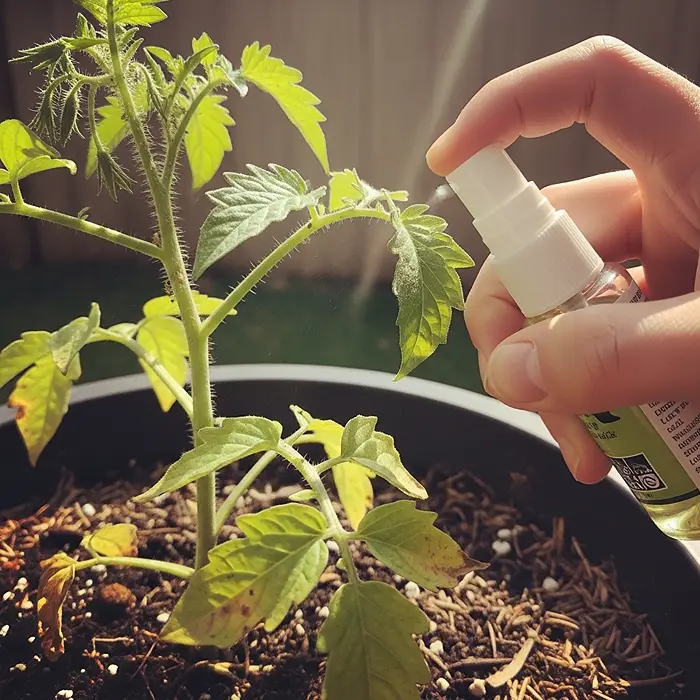
Container tomatoes aren’t pest-proof, unfortunately. Keep your eyes peeled for:
- Aphids — tiny green clusters on new growth.
- Spider mites — especially in dry, hot conditions. Look for fine webbing.
- Hornworms — the chonky green caterpillars that can strip a plant overnight.
For organic control, neem oil and insecticidal soap handle all three effectively. Just inspect your plants every few days — catching pests early makes everything easier.
Frequently Asked Questions
Can I grow indeterminate tomatoes in pots?
Absolutely. Use containers that are 18–24 inches wide (15–20 gallons minimum) and provide strong vertical support. Just know they’ll need more frequent watering and feeding than their bush-type cousins.
How often should I water container tomatoes?
Check daily — stick your finger in the top inch or two of soil. If it’s dry, water. In peak summer heat, you might be watering once or even twice a day. The best tomato varieties for container gardening still need consistent moisture to perform their best.
Do tomatoes grow better in the ground or in pots?
In-ground planting gives roots more room to roam, but containers offer better soil control, easier mobility, and often fewer disease issues. With the right variety and consistent plant care, container tomatoes can absolutely rival — even beat — garden-bed yields.
What is the easiest tomato to grow in a pot?
Determinate bush and dwarf varieties like ‘Tiny Tim’ and ‘Bush Early Girl’ are the easiest for beginners. They’re low-maintenance, forgiving of minor mistakes, and reliably productive in modest containers.
What are the best tomato varieties for container gardening in hot climates?
Heat-tolerant, disease-resistant varieties like ‘Celebrity’ and ‘Sweet Million’ handle hot summers well. Use light-colored containers, mulch generously, and water consistently to keep roots cool.
Final Thoughts
Picking the best tomato varieties for container gardening isn’t about settling — it’s about being strategic. Whether you’re tucking a ‘Tiny Tim’ onto a windowsill or going all-in with a ‘Tasmanian Chocolate’ on your rooftop, the formula is the same: right variety + right container + consistent care = tomatoes that’ll make your neighbors jealous.
Start with one or two proven varieties this season. Get your watering rhythm down. Nail your feeding schedule. And then next year? Go wild. Your best tomatoes are literally just a pot away — and honestly, there’s nothing quite like eating something you grew yourself, even if your “garden” is a fire escape. Happy growing!