

Small-Space Gardening
New to small-space gardening? Learn how to grow vegetables, herbs, and flowers on a balcony, indoors, or in tiny spaces—step by step, with proven methods that work.
Small-space gardening answers a question millions of city dwellers are asking: Can you really grow your own food without a backyard? The answer is yes—and it starts with the spaces you already have. A balcony. A windowsill. Even a single sunny corner.
This isn’t about squeezing plants into tight spots. It’s about creating healthier habits, cleaner food, and a calmer home—one container at a time. With the right approach, small spaces become powerful, productive, and surprisingly satisfying.
This guide shows you exactly how to start, what to grow, and how to keep it thriving year-round—no yard, no guesswork, just results.
Table of Contents
Understanding Your Space
Assessing Your Balcony, Patio, or Indoor Area
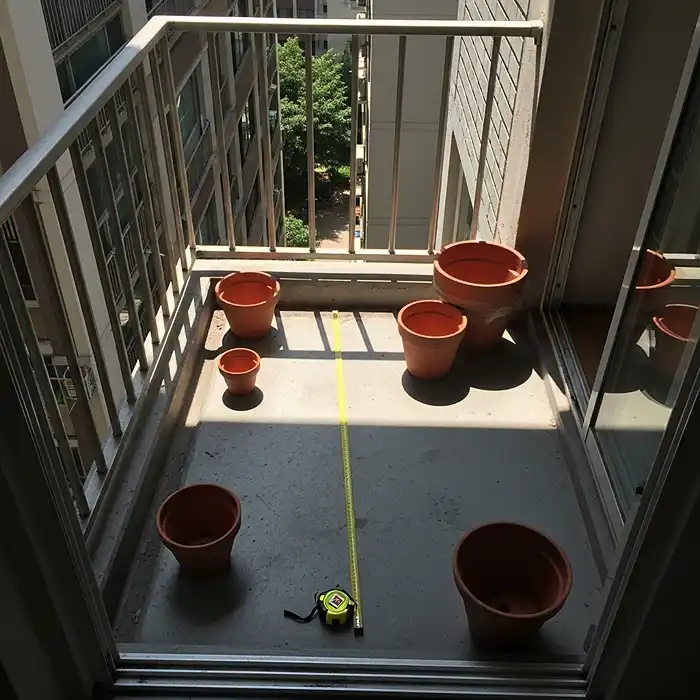
To start a productive garden, evaluate light, wind, temperature, and space first.
- Sunlight – South-facing: 6–8 hours, ideal for tomatoes, peppers, cucumbers. North/shaded: leafy greens, herbs, shade-tolerant crops. Learn more in our south vs north balcony guide, also discover the best low-light plants for tiny spaces
- Wind & Airflow – Exposed balconies need trellises, screens, or grouped pots; sheltered spots require less protection. Check out balcony light & wind tips to protect your plants
- Microclimates – Warm corners: basil, peppers. Cool/shaded edges: lettuce, spinach.
- Space & Vertical Potential – Measure floor and wall height; vertical planting (shelves, hanging pots) increases usable area.
- Watering & Care – Sunny/windy zones: daily watering; shaded/cool zones: 2–3 times/week.
- Plant, Container & Growth Stage Comparison – Shallow vs. deep pots, fast vs. slow-growing, sun vs. shade crops; start seedlings in warm areas, rotate slow-growing crops to cooler zones, group plants with similar water needs.
- Routine & Stage Planning – Early-stage crops in warm microclimates, mature plants in shaded/cool zones, seasonal rotation ensures continuous harvest.
Extended Comparison:
- Sun-loving vs. shade-tolerant plants: match with light zones.
- Deep vs. shallow containers: roots vs. herbs. See when to refresh container soil for optimal growth.
- Fast vs. slow-growing crops: align with microclimates.
- Grouping plants by water and sunlight needs improves growth efficiency and simplifies maintenance.
Learn how to measure sunlight easily to match plants with the right spots
This step-by-step assessment and comparison maximize yield while keeping balcony, patio, or indoor gardening organized and manageable.
Struggling to figure out why plants fail in small gardens? This guide on understanding light and space in small-space gardening shows you how sunlight, direction, and spacing decide what actually thrives.
Planning for Mobility and Restrictions
Small spaces come with rules — and breaking them can cost you. ⚠️
- Check your lease: Drilling walls or heavy balcony loads may be prohibited (50–100 lbs/sq ft).
- Lighten your load: Standard potting mix is heavy (75 lbs/cubic ft); soilless mixes like coconut coir are 30–40% lighter.
- Stay flexible: Use wheeled pots or platforms to follow sunlight, move plants indoors during frost, or rearrange for style.
Choosing Containers and Growing Systems
Container Options for Every Space
- Freestanding planters: Ideal for patios and large balconies; at least 12 inches deep for most vegetables. Tomatoes and cucumbers prefer 18–24 inches. See right pot sizes for every plant type.
- Railing planters: Save floor space. Use adjustable brackets (2×4–6 inches). Great for trailing plants like cherry tomatoes, strawberries, or cascading herbs.
- Window boxes: Bring food within arm’s reach indoors. Install heavy-duty brackets, double the expected weight. Best for lettuce, radishes, microgreens, and compact herbs. Check out best balcony & indoor pots for your space.
- Nursery pots & buckets: Affordable and versatile. 5-gallon food-grade buckets with drainage holes cost under $5 and fit tomatoes, peppers, or small eggplants.
Vertical Gardening for Maximum Yield
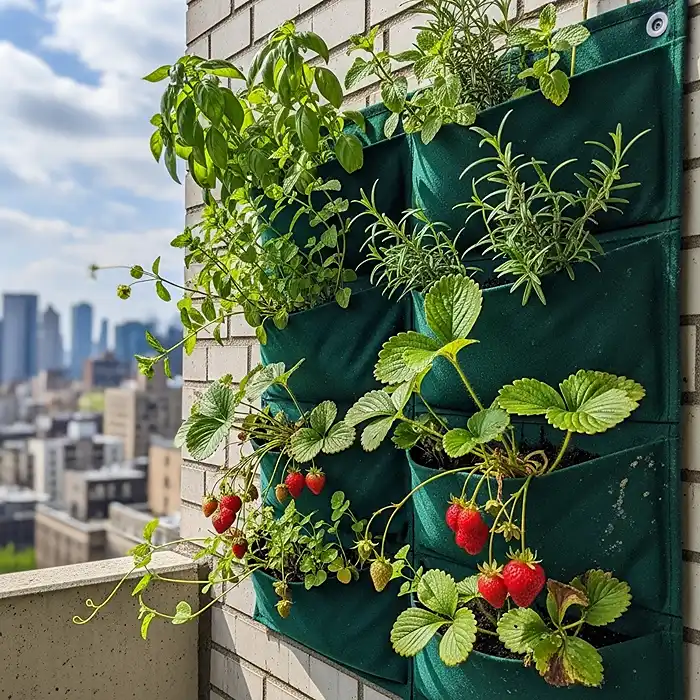
Freestanding tower systems like GreenStalk or Mr. Stacky maximize vertical space without wall mounting. These rotating planters hold 20-50 plants in a 2-square-foot footprint, perfect for strawberries, lettuce, and herbs.
Wall-mounted pocket planters work brilliantly for renters since many use over-door hooks or command strips rather than drilling. Fabric pockets breathe better than plastic, preventing root rot in humid climates.
See our fabric grow bags guide for options
DIY vertical solutions save money and customize to your exact space. Repurposed wooden pallets lean against walls to support climbing beans and peas. Hanging shoe organizers with drainage holes punched in each pocket grow salad greens vertically. Zip-tied cattle panels or wire mesh create instant trellises for cucumbers and pole beans.
Follow container drainage rules to prevent root rot.
A quick “Stability Index” comparison: freestanding towers rate highest for stability in windy conditions, wall-mounted systems rank second, and DIY pallet setups require guy-wires or anchoring in exposed locations.
Self-Watering and Smart Containers
- Self-watering containers: Bottom reservoir wicks moisture into soil as needed. Reduces watering from daily to every 3–5 days in summer.
- Benefits: Prevents wet-dry stress, reduces blossom-end rot in tomatoes, keeps plants healthier.
- Smart containers: Sensors alert your phone when soil is dry. Price: $40–80 per pot. Ideal for travelers or forgetful gardeners.
Quick comparison: Self-watering is simpler and cheaper, great for everyday use. Smart containers cost more but give alerts and precision for busy or absent gardeners.
Soil and Fertility Basics
Why Garden Soil Doesn’t Work in Containers
Garden Soil = Disaster in Pots
Learn why garden soil fails in containers, also learn how to fix common soil problems in pots for healthier growth
Garden soil compacts in containers, crushing roots and blocking oxygen. Water pools, causing root rot and disease. Plants die quickly.
Better option: Use a well-draining, container-specific potting mix to keep roots healthy and moisture balanced.
Discover the best container soil mix for thriving plants
Soilless Mixes for Small-Space Success
Use soilless mixes to keep container plants fluffy, airy, and thriving. Here’s a breakdown:
| Component | Function | Example / Tip |
|---|---|---|
| Coconut coir / Peat moss | Base structure, moisture retention | Coir is sustainable, pH-neutral |
| Perlite | Aeration and drainage | Helps prevent root rot |
| Vermiculite | Water & nutrient retention | Gradual nutrient release |
| Compost | Nutrients and organic matter | Optional, 20% of mix |
The “Lasagna” Layering Method
Check out DIY potting mix recipes to feed your plants naturally
Layer your container like lasagna to create nutrient-rich soil:
- Brown layer: cardboard, dry leaves, straw.
- Green layer: kitchen scraps, grass clippings, coffee grounds.
- Alternate layers until ¾ full.
- Top with 4–6 inches of potting mix and plant right away.
As layers decompose over 4–8 weeks, they steadily feed your plants. Best for deep containers (18+ inches) and heavy feeders like tomatoes and squash.
Composting in Apartments
Vermicomposting turns kitchen waste into nutrient-rich castings using red wiggler worms. A basic bin measuring 18×24 inches fits under most kitchen sinks and processes 3-4 pounds of food scraps weekly.
Worm castings are arguably the finest organic fertilizer available—packed with beneficial microbes, humic acids, and slow-release nutrients. Mix one part castings to four parts potting soil for exceptional plant growth.
Bokashi fermentation handles foods vermicomposting can’t: meat, dairy, oils, and citrus. This anaerobic process ferments waste in a sealed bucket using specialized inoculant. After 2-3 weeks, bury the pre-composted material in containers where it finishes breaking down.
Both systems eliminate odors when managed properly and dramatically reduce household waste heading to landfills.
Selecting the Right Plants for Small Spaces
Compact & Patio Varieties
Plant breeders have developed hundreds of compact cultivars specifically for container culture. These aren’t just smaller versions—they’re engineered for exceptional productivity in confined root zones.
- Tomatoes: ‘Totem’ grows just 20 inches tall while producing full-sized fruit. ‘Cherry Falls’ cascades beautifully from hanging baskets, yielding sweet cherry tomatoes all summer. ‘Patio Princess’ and ‘Bush Early Girl’ stay under 30 inches and don’t require staking.
- Cucumbers: ‘Picolino F1’ produces 4-inch snacking cucumbers on compact vines perfect for 12-inch pots. ‘Bush Pickle’ and ‘Spacemaster’ offer full yields without the sprawl of standard varieties.
- Eggplant: ‘Fairy Tale’ bears clusters of purple-striped mini eggplants on 18-inch plants. ‘Patio Baby’ lives up to its name with perfectly proportioned fruits on 20-inch bushes.
- Peppers: Nearly all pepper varieties thrive in containers, but ‘Redskin’ and ‘Mohawk’ offer particularly heavy yields in 12-inch pots.
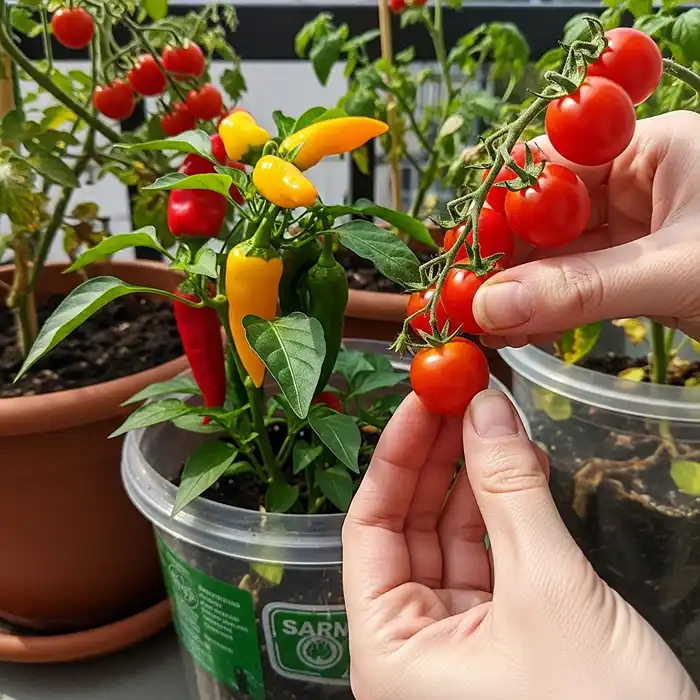
Edimentals: Beauty + Food
Edimentals make your balcony stunning and productive:
- Rainbow Swiss chard: colorful stems and shade-tolerant.
- Purple basil: deep burgundy leaves, tastes like green basil.
- Rosemary: evergreen structure, trailing types for railings.
- Ornamental kale: harvest outer leaves, keeps producing for months.
Idea: Mix these with greens and herbs for a visually striking edible garden.
Herbs and Fast-Growing Crops
Herbs adapt remarkably well to container culture and many tolerate partial shade. Cilantro, parsley, chives, oregano, thyme, and mint all thrive in 6-8 inch pots with modest light.
Radishes reach harvest size in just 25-30 days, making them perfect for succession planting. Sow a new crop every two weeks from spring through fall for continuous supply.
Lettuce and salad greens tolerate crowding and partial shade better than most vegetables. Mesclun mixes allow you to harvest baby leaves repeatedly without killing plants.
Microgreens take this concept further—harvest seedlings at 1-2 inches tall for intense flavor and nutrition. Grow them in shallow trays on kitchen counters with no special equipment beyond basic potting mix and seeds.
Seasonal Planning for Containers
- Crop rotation: Avoid planting the same crop consecutively in one container. Follow tomatoes with beans or peas to replenish nitrogen.
- Succession planting: Plant new lettuce every 10–14 days. Start peppers indoors 4–6 weeks before last frost for spring readiness.
- Cool-season crops: Lettuce, peas, radishes, spinach (March–May & September–November).
- Hot-season crops: Tomatoes, peppers, cucumbers, eggplant (June–August).
Tip: Plan containers in advance to maintain continuous harvests.
Fast-Growing Plants That Build Beginner Confidence
Here’s what most gardening guides won’t tell you: your first harvest timing determines whether you become a lifelong gardener or give up after one season.
Waiting months for results tests anyone’s patience, especially when you’re second-guessing every watering decision. That’s why starting with proven winners that deliver quick results is absolutely critical for beginners.
The 30-day confidence effect: Nothing motivates like eating something you grew yourself within your first month. Fast-growing crops provide immediate feedback on your space assessment, container choices, and care routine—while there’s still time to adjust for slower plants.
Why speed builds skills: Quick harvests let you experiment with succession planting and learn from mistakes without waiting an entire season. Plant radishes wrong? You’ll know in 25 days, not 75.
Ready to stack the odds in your favor? Our beginner small-space gardening guide reveals 15 foolproof plants that deliver harvests in 10-60 days, complete with container requirements and foolproof techniques.
What you’ll discover:
- The absolute fastest vegetable (10-14 days from seed to salad)
- Which herbs tolerate beginner mistakes and still produce abundantly
- Compact varieties bred specifically for small containers
- Exact light requirements and container depths for each plant
- Professional spacing tricks that maximize yields
Perfect timing: Now that you understand your space and container basics, you’re ready to choose specific plants that match your conditions. These fast growers are ideal for testing new spots, filling gaps between larger plants, and maintaining continuous harvests.
Start with 2-3 varieties from that guide, master the fundamentals, then expand to slower crops as your confidence builds. This strategic approach prevents the overwhelming “planted everything at once” scenario that derails many beginners.
Layout, Density, and Spacing Strategies
Square Foot Gardening (SFG) for Beginners
Square Foot Gardening divides containers into 12×12-inch grids, with plant quantities per square determined by mature size. This systematic approach prevents overcrowding while maximizing space.
In each square foot, plant:
- 1 tomato, pepper, eggplant, or cabbage
- 4 lettuce heads or Swiss chard plants
- 9 spinach or beet plants
- 16 radishes or carrots
Build a simple SFG box using untreated lumber: 4 feet x 4 feet x 6-8 inches deep. Divide it into 16 squares with string or thin wood strips.
This method simplifies planning for absolute beginners and prevents the common mistake of cramming too many plants into limited space.
Staggered, Triangular, and Diamond Spacing
Want more plants in the same container without crowding? These spacing strategies let you fit 20–30% more crops while keeping roots healthy.
| Spacing Method | How It Works | Best Use |
|---|---|---|
| Staggered | Offset rows like bricks | Lettuce, kale, small herbs |
| Triangular | Each plant forms a triangle with neighbors | Uniform crops, better airflow |
| Diamond | 45° offset rows | Rectangular containers, maximizes length & width |
Intercropping & Succession Planting
Intercropping pairs fast-maturing crops with slow-growing ones in the same container. Plant quick-growing radishes or lettuce between tomato seedlings. By the time tomatoes need full space (8-10 weeks), you’ve already harvested the companion crops.
Vertical layering intercropping grows climbing beans up a trellis behind low-growing lettuce or spinach. The leafy greens appreciate afternoon shade from bean foliage in summer heat.
Succession planting maintains constant harvests by starting new crops as others finish. When spring lettuce bolts in June heat, transplant in pepper seedlings. As peppers wind down in October, sow cold-hardy spinach.
The key is planning 2-3 weeks ahead so transplants are ready when space opens up.
Light, Water, and Environmental Management
Indoor vs. Balcony Light Requirements
See our indoor light guide for maximum growth indoors
Choose crops based on available light:
| Light Level | Hours / Day | Suitable Crops | Notes |
|---|---|---|---|
| Full sun | 6+ | Tomatoes, peppers, cucumbers, eggplant | Optimal fruiting, best yields |
| Partial sun | 3–6 | Herbs, leafy greens, root vegetables | Lettuce likes afternoon shade in hot climates |
| Indirect / Indoor | Bright, no direct sun | Mint, parsley, mesclun, microgreens | Slower growth; supplement with LED grow lights (20–40W, 6–12” above, 12–16h/day) |
Pro tip: Match crops to your light conditions for maximum growth. Indoor fruiting crops need supplemental LED lighting to thrive.
Efficient Watering Techniques
Cut Your Watering in Half This Summer
Mulching is your first line of defense: spread 1–2 inches of shredded bark, straw, or coconut coir on top of your container soil. This simple step can reduce evaporation by 50–70%, keeping soil moist longer.
Water Deeply, Then Wait
Even standard pots benefit from efficient watering. Give plants a thorough soak until water drains from the bottom, then don’t water again until the top inch feels dry. This trains roots to grow deeper and stay healthy.
Automate with Drip Irrigation
Battery-powered timers and spaghetti tubing make it easy to automate watering. A 30-plant balcony garden can be fully managed for under $100, freeing you from daily chores.
Group Plants by Water Needs
Cluster drought-tolerant herbs and succulents together, and keep moisture-loving crops like lettuce and cucumbers in separate groups. This ensures each plant gets just the water it needs—no more, no less.
Temperature and Airflow Considerations
Small enclosed balconies can become heat traps in summer, with temperatures 10-15°F higher than ambient air. Ensure adequate airflow by spacing containers 6-12 inches apart and positioning fans to circulate air.
Overheating stresses plants severely—tomatoes drop blossoms above 95°F and won’t set fruit. Use shade cloth (30-50% density) during peak summer heat on west and south exposures.
Poor airflow invites fungal diseases like powdery mildew. Never let foliage touch walls or neighboring plants. Remove lower leaves on tomatoes to improve air circulation at the base where moisture accumulates.
Indoor gardens need active ventilation—open windows or run small fans on low speed. Stagnant air encourages mold on soil surfaces and weakens plants through ethylene gas buildup.
Designing for Aesthetics and Wellness
Maximal Minimalism: Fewer, Larger Containers
Fewer, larger containers make a bold statement.
Three large containers create more visual impact than ten small pots scattered randomly, perfect for small balconies or patios where style matters as much as yield.
Big containers = big benefits.
- Soil volume: Larger containers (15+ gallons) retain moisture longer and buffer temperature swings.
- Root growth: Spacious soil allows roots to access more nutrients and water, resulting in healthier, pest-resistant plants.
- Productivity: A single 20-gallon container can host an entire herb garden or 3–4 compact vegetable plants.
Maintenance made simple.
Fewer containers mean less watering, fertilizing, and monitoring, saving time and effort while keeping your garden thriving.
Scent and Sensory Layering
Wellness gardens engage multiple senses beyond sight. Position fragrant plants near seating areas or windows where you’ll encounter their aroma regularly.
Jasmine releases intoxicating perfume in evening hours, perfect for balconies used for relaxation after work. Night-blooming varieties intensify the effect.
Lavender provides calming scent proven to reduce stress and improve sleep quality. Brushing against the foliage releases volatile oils that linger in the air.
Chamomile, lemon balm, and scented geraniums contribute gentle fragrances while offering harvestable materials for teas and aromatherapy.
Layer plants at different heights so you encounter scents at various levels—trailing herbs at ground level, mid-height lavender, and climbing jasmine overhead.
Color Palettes for Visual Expansion
Light colors expand your balcony visually.
Creamy white petunias, pale yellow marigolds, and silver-leaved dusty miller reflect sunlight, making shadowy corners feel airy and open.
Pale foliage works wonders.
Varieties like white-variegated mint, silver thyme, and chartreuse coleus bounce light off their leaves, amplifying limited sunlight and creating a sense of space.
Dark colors as accents, not walls.
Use a single dark burgundy coleus or deep purple basil as a focal point. This draws the eye without making the area feel cramped.
Cool vs. warm tones:
- Cool colors (blues, purples, soft pinks) recede visually, adding depth to shallow balconies.
- Warm colors (reds, oranges, yellows) advance visually—best used sparingly in the foreground.
Avoiding Common Beginner Mistakes
Planning vs. Impulse Buying
Question: How can I avoid buying plants that won’t thrive in my sunlight conditions?
Answer:
- Audit sunlight: Track sun exposure for a week (morning, afternoon, full-day).
- Document conditions: Photograph at different times/seasons.
- Match plants to light: Choose species suited to actual conditions.
- Plan before shopping: Sketch or digitally map your garden layout.
Comparison:
- Planning ensures plants thrive and reduces waste.
- Impulse buying often leads to plant death and frustration.
Overcrowding & Pest Management
Learn how to avoid container mistakes in your small garden
Overcrowding ranks among the most common beginner mistakes. Cramming extra plants into containers seems harmless initially, but problems compound as plants mature.
Crowded plants compete for nutrients, water, and light, stunting growth and reducing yields across all specimens. Weak, stressed plants become magnets for aphids, whiteflies, and spider mites.
Poor airflow between overcrowded foliage creates ideal conditions for fungal diseases. Powdery mildew, downy mildew, and botrytis spread rapidly in dense canopies.
Follow spacing guidelines religiously—they exist for biological reasons, not suggestions. If a plant requires 12-inch spacing, provide it. The temporary void will fill quickly as plants mature.
Overwatering & Underwatering Errors
Most container plants die from too much water, not too little!
Beginners often fear drought, but excessively wet soil suffocates roots, causing yellow leaves, stunted growth, and root rot.
Signs of overwatering:
- Yellowing lower leaves
- Wilting even though soil is wet
- Musty smell from potting mix
- Fungal growth on soil surface
Signs of underwatering:
- Crispy brown leaf edges
- Overall drooping
- Soil pulling away from container sides
- Very dry potting mix
Simple finger test:
Insert your index finger 1–2 inches into the soil.
- If it feels dry → water thoroughly
- If still moist → wait and check again tomorrow
Pro tip: Root rot is irreversible, but drought-stressed plants usually recover. When unsure, err on the side of slightly dry.
The 12 Mistakes That Quietly Kill Small-Space Gardens
Here’s the uncomfortable truth: most container gardens don’t die from one dramatic disaster. They die slowly, from a handful of small, invisible errors that compound week after week — and the gardener never figures out what went wrong.
You picked the right pot. You bought quality soil. You even watered on schedule. But your tomatoes still yellowed, your herbs went leggy, and your lettuce bolted before you harvested a single leaf. Sound familiar?
That’s because the most destructive gardening mistakes aren’t obvious. They hide in places you’d never think to look — the angle of your watering can, the weight of wet soil on your balcony floor, the way sunlight shifts between June and September without you noticing.
We spent months documenting the 12 specific mistakes that trip up small-space gardeners more than anything else. Not vague advice like “don’t overwater.” We’re talking about the precise mechanical, biological, and behavioral errors — from container soil science failures that suffocate roots underground, to watering geometry habits that silently invite fungal disease, to urban microclimate blind spots that starve sun-loving plants right in front of your eyes.
Each one comes with a concrete, same-day fix you can apply immediately. No special tools. No expensive equipment. Just a shift in understanding that changes everything.
Think you’re not making any of these? Most gardeners are making at least three without realizing it. Read our complete breakdown of the common gardening mistakes that sabotage small-space gardens — and the simple fixes that turn each one around.
Advanced Tips for Continuous Urban Harvest
Year-Round Growing Strategies
Keep your harvest going through winter and beyond!
Indoor growing allows you to extend seasons indefinitely in cold climates. Place containers near south-facing windows to capture maximum sunlight.
Supplement natural light:
When day length drops below 10 hours, full-spectrum LED grow lights ($30–50) can support 2–4 small plants indoors through winter.
Seasonal crop transitions:
Outdoor gardens benefit from planning crops by season. Start cool-season seedlings indoors in late summer to plant in September as the heat fades.
Extend the season with cold frames:
Mini-greenhouses built from old windows or inexpensive materials can prolong growth 4–6 weeks in spring and fall, protecting plants from light frosts.
DIY Fertilizer and Nutrient Boosts
Organic amendments build long-term soil fertility while providing immediate nutrition. Composted manure, worm castings, and fish meal slowly release nutrients over weeks and months.
Worm tea—the liquid drained from vermicompost bins—contains beneficial microbes and nutrients. Dilute 1:10 with water and apply as a soil drench every 2-3 weeks.
Compost tea brewed from finished compost introduces billions of beneficial bacteria and fungi. Bubble water through a mesh bag of compost for 24-48 hours, then strain and apply within hours.
Banana peel tea provides potassium for fruiting crops. Soak chopped peels in water for 48 hours, strain, and water tomatoes and peppers with the nutrient-rich liquid.
Small-Scale Sustainability Practices
Make your garden eco-friendly and cost-efficient.
- Water recycling: Capture shower warmup water, dehumidifier discharge, or air conditioner condensate. A simple 5-gallon bucket near the shower collects gallons weekly—perfectly safe for edible plants.
- Seed saving: Save seeds from open-pollinated heirloom tomatoes, peppers, lettuce, and beans. Properly dried, seeds remain viable for 2–5 years, eliminating annual seed purchases.
- Mini-greenhouses: Extend your season with repurposed clear bins, plastic sheeting, or old glass. Protect plants from late spring or fall frosts for under $20.
- Greywater systems: Divert sink or washing machine water for irrigation with simple filtration. Check local regulations first, as many areas now permit residential greywater use with basic precautions.
Keeping It All Alive: Your Month-by-Month Maintenance Plan
Here’s the part nobody warns you about — setting up your small-space garden is actually the easy part. Keeping it alive through January’s freeze, July’s scorching heat, and that weird October cold snap that comes out of nowhere? That’s where most beginners quietly give up.
And honestly, it’s not their fault. You can nail the perfect container setup, pick the right soil mix, and choose every plant on this page — but without a structured maintenance rhythm, things start slipping. You forget to fertilize after weeks of heavy watering. You skip the fall soil refresh. You don’t realize your indoor herbs need completely different care than your balcony tomatoes once November hits.
The truth is, container plants don’t have the luxury of in-ground root systems that self-regulate moisture and temperature. They depend entirely on you showing up — consistently, at the right time, with the right task. That’s not a burden. It’s actually a 15-minute daily routine once you know the schedule.
We built a complete monthly calendar that maps out every watering adjustment, fertilizing window, pruning task, and seasonal transition across all 12 months — specifically for small-space and container gardens. It covers the differences between indoor and outdoor care, tells you exactly when to start seeds, when to harvest, when to winterize, and when to just leave your plants alone.
If you’ve made it this far in the guide, you already understand what to grow and how to set it up. Now you need the when. Check out our Small-Space Gardening Monthly Maintenance Calendar for Beginners — it’s the month-by-month companion piece to everything you’ve just learned, and it’ll make sure nothing falls through the cracks.
Frequently Asked Questions
What is the easiest vertical gardening method for beginners?
Freestanding tower planters offer the easiest entry into vertical gardening for beginners. These systems require no installation, move easily, and accommodate 20-30 plants in minimal floor space.
Can you start a balcony garden without drilling?
Absolutely. Use freestanding containers, railing planters with adjustable clamps, over-door hanging systems, and command strip organizers. Weighted container bases prevent tipping without permanent installation.
How do you prevent a container garden from drying out?
Apply 1-2 inches of mulch on soil surfaces, use self-watering containers, group pots together to create humidity, and water deeply but less frequently to encourage deep root growth.
Which herbs and veggies grow best in small spaces?
Top performers include cherry tomatoes, compact peppers, lettuce, radishes, herbs (basil, cilantro, parsley), Swiss chard, and dwarf eggplant varieties. All thrive in containers 10-12 inches deep.
How do I maximize yield without overcrowding?
Use vertical growing systems, practice succession planting every 2-3 weeks, choose compact varieties bred for containers, and follow proper spacing guidelines despite temptation to cram more plants.
Conclusion
Small-space gardening transforms limited urban areas into productive, beautiful food sources that nourish both body and spirit. The benefits extend far beyond fresh vegetables—connecting with soil and plants reduces stress, improves air quality, and builds self-sufficiency skills.
Start with just 2-3 containers and easy crops like herbs, lettuce, or cherry tomatoes. Master basic techniques before expanding your garden gradually. Every experienced gardener began as a nervous beginner unsure about soil, watering, and plant selection.
Embrace experimentation and view failures as learning opportunities rather than defeats. Even seasoned gardeners lose plants to unexpected weather, pests, or simple mistakes. The key is observing, adjusting, and trying again.
Your urban harvest awaits—start planning your small-space garden today with the confidence that comes from understanding fundamentals. Within weeks, you’ll harvest your first homegrown salad, and within months, you’ll wonder how you ever lived without fresh herbs and vegetables just steps from your door.