

Beginner Small-Space Gardening
Master beginner small-space gardening with 15 foolproof plants that deliver fresh harvests in 30 days—even on tiny balconies. Start growing today!
Here’s the truth about beginner small-space gardening—you don’t need a sprawling backyard or some magical green thumb to grow your own food. Seriously, if you’ve got a sunny windowsill, a cramped balcony, or even just a doorstep that gets a few hours of sun, you’re already qualified to start.
I’ve watched friends transform the tiniest spaces into mini food factories using nothing more than a few containers and some fast-growing plants that are practically impossible to mess up.
This guide breaks down the most reliable container gardening tips and foolproof plants that’ll have you harvesting fresh herbs and veggies in just weeks—no complicated jargon, no overwhelming advice, just practical stuff that actually works.
Table of Contents
Why Small-Space Gardening Is Perfect for Beginners (And Way Less Stressful)
Let’s be real—there’s a massive “victory garden” revival happening right now, but it’s not about huge plots of land anymore. It’s about beginner small-space gardening that fits into actual urban life. And honestly? It’s way better than traditional gardening for beginners.
You get quick wins instead of months of waiting. Traditional gardening requires the patience of a saint—you plant in spring and maybe see results by fall. But with beginner small-space gardening? You’re harvesting lettuce in 30 days, radishes in less than a month, and feeling like an absolute gardening genius.
The “forgiveness factor” is real. Containers are actually easier to control than in-ground gardens. You control the soil quality, drainage, and even where your plants sit. Mess something up? It’s contained (pun intended) and way easier to fix than a whole garden bed gone wrong.
It’s genuine stress relief. There’s actual science behind the mental health benefits of working with soil and watching stuff grow. It’s like meditation, except you end up with fresh basil for your pasta. According to research from the Royal Horticultural Society, gardening can significantly reduce stress and improve overall wellbeing.
Essential Container Setup: Don’t Skip This Part (Your Plants Will Thank You)
Before you rush out and buy plants, let’s talk setup. Getting these fundamentals right is literally the difference between Instagram-worthy harvests and sad, wilted disappointments.
Drainage: The Golden Rule That Saves Lives (Plant Lives)
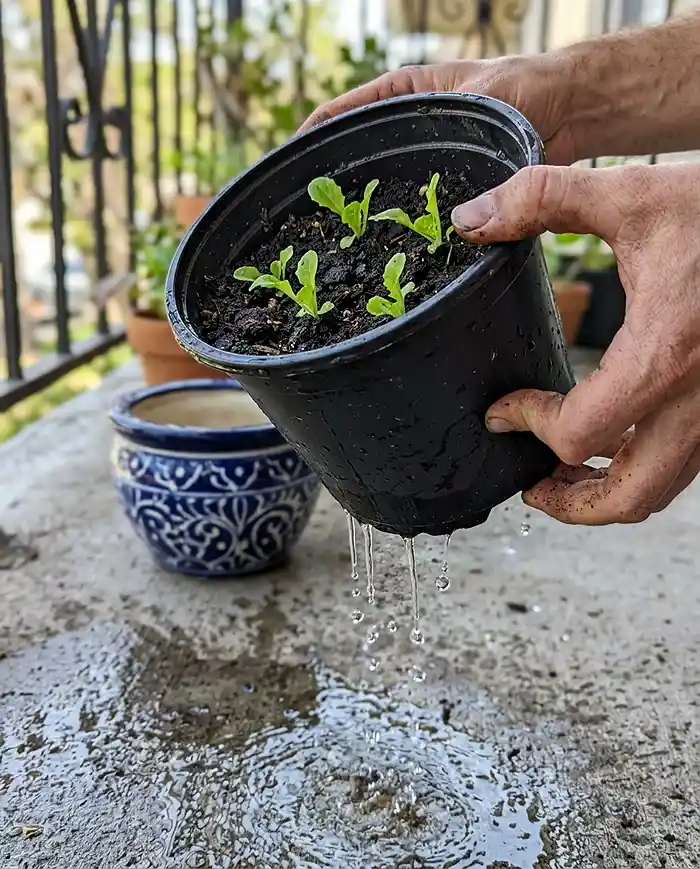
Here’s the rule that’ll save you so much heartache: “No plants like soggy bottoms.” Drainage holes aren’t optional—they’re absolutely critical. Without them, water just sits there, drowning roots and creating perfect conditions for root rot.
Those gorgeous decorative pots without holes? Yeah, they’re basically plant death traps. If you fall in love with a particular pot, either drill holes in it (masonry bit works great) or use it as a pretty sleeve around a properly draining inner pot.
And can we debunk the gravel myth once and for all? Putting rocks at the bottom doesn’t improve drainage—it actually makes it worse by creating what’s called a perched water table. Skip the rocks entirely and use quality potting mix from top to bottom.
Soil Science Made Simple: Why Garden Dirt Fails
Container soil is totally different from garden soil. You need organic potting mixes specifically formulated for containers, with a pH between 6.0 and 6.8. These mixes contain ingredients like peat moss, coconut coir, perlite, and vermiculite that maintain structure in confined spaces.
Here’s why you can’t just scoop dirt from your yard: garden soil compacts like crazy in containers. The clay particles compress under their own weight, squeezing out all those air pockets that roots desperately need. Your plants essentially suffocate.
Want to level up your beginner small-space gardening game? Add some compost (about 20% by volume) or worm castings (10% by volume) to introduce beneficial microbes and slow-release nutrients.
Container Selection Guide
Fabric grow bags are honestly game-changers for beginner small-space gardening. These breathable containers do this cool thing called air-pruning, which prevents roots from circling around and getting stunted. Plus, they’re lightweight, drain perfectly, and fold flat when you’re not using them.
Self-watering containers solve the biggest problem beginners face—inconsistent watering. These systems have built-in reservoirs that wick water upward as needed. Perfect if you’re forgetful or travel a lot.
| Plant Category | Minimum Depth | Examples |
|---|---|---|
| Shallow Root | 5-6 inches | Chives, Lettuce, Radish, Basil, Cress |
| Medium Root | 7-9 inches | Bush Beans, Peas, Carrots, Spinach, Arugula |
| Deep Root | 12+ inches | Tomatoes, Peppers, Zucchini, Broccoli |
Understanding Plant Categories: What Should You Actually Grow?
In beginner small-space gardening, not all plants are created equal. Understanding these categories helps you make smarter choices based on what you actually want to eat and how much effort you’re willing to put in.
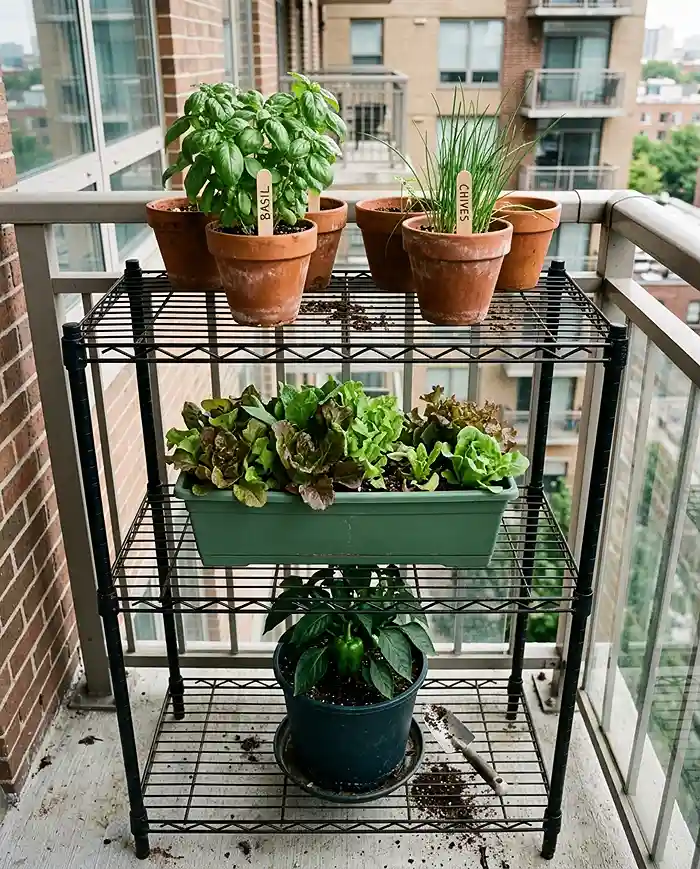
Herbs: The Flavor Powerhouses
Herbs are the ultimate beginner-friendly plants. Both perennial types (like chives and thyme) and annuals (basil, cilantro) absolutely thrive in containers. Most herbs tolerate some neglect—forgot to water for a day? They’ll probably forgive you.
The trick with herbs is how you harvest them. Pinch and trim the tips regularly instead of just letting them grow wild. This encourages bushier, more productive growth and prevents them from flowering too early.
Leafy Greens: Your Personal Salad Factory
Leafy greens are speed demons in the beginner small-space gardening world. Lettuce, arugula, and spinach deliver harvests in 30-45 days flat. That instant gratification is perfect when you’re just starting out and need to see results to stay motivated.
The real magic is cut-and-come-again harvesting. Instead of pulling the whole plant, just snip outer leaves continuously while the center keeps producing. One planting can give you fresh salads for 6-8 weeks straight.
Small Vegetables: The Meal Makers
Compact vegetables are where things get exciting. Plant breeders have created dwarf and bush versions of traditional veggies that produce full-sized yields in tiny spaces. Fair warning though—these generally need more direct sunlight (6-8 hours) and heavier feeding than herbs and greens.
How to Choose the Right Plant for Your Light and Space
Matching plants to your actual growing conditions eliminates like 90% of beginner failures. Most people fail because they try growing sun-loving tomatoes in a shady corner or shade-loving lettuce on a blazing south-facing balcony.
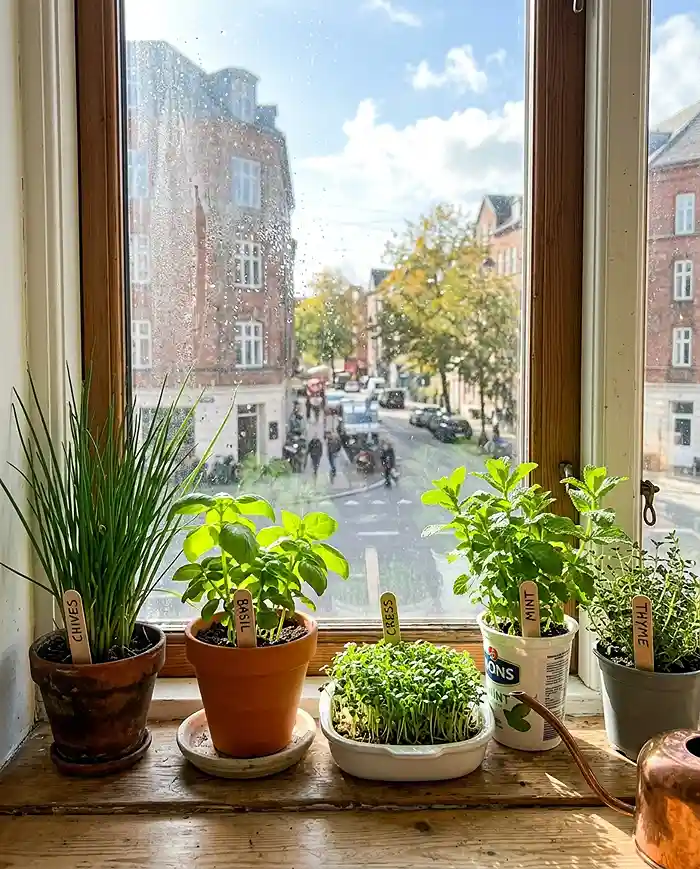
Light Assessment: Know Your Zones
Full sun zones (6-8 hours direct sunlight) are your power spots. South-facing balconies, patios, and big windows give you the most options. This is where you can grow the heavy hitters: tomatoes, peppers, basil, zucchini, and bush beans.
Partial sun zones (4-6 hours direct sunlight) still accommodate most edibles. East or west-facing spaces work perfectly for leafy greens, most herbs, peas, radishes, and carrots.
Low light zones (2-4 hours direct or bright indirect light) are trickier but not impossible. North-facing windows can still grow mint, parsley, chives, lettuce, spinach, and microgreens.
| Available Space | Container Depth | Recommended Plants |
|---|---|---|
| Windowsill | 4-6 inches | Herbs, microgreens, cress, chives |
| Small Balcony | 6-10 inches | Leafy greens, radishes, bush varieties |
| Large Balcony/Patio | 12+ inches | Tomatoes, beans, squash, vertical crops |
For a comprehensive deep-dive into planning your setup, check out our complete Small-Space Gardening: The Complete Beginner Guide which covers everything from container selection to seasonal planning.
The 15 Best Fast-Growing Plants for Small-Space Beginners
Ready for the fun part? Here are the most reliable fast-growing plants that’ll make you feel like a gardening rockstar. These deliver results fast enough to keep you hooked through your first season of beginner small-space gardening.
Category 1: The Speed Champions (Instant Gratification)
1. Cress (Garden Cress)
This little overachiever is the absolute fastest vegetable you can grow—we’re talking 10-14 days from seed to salad. Cress needs only 3-4 hours of light and grows in shallow trays just 2-3 inches deep. It’s basically impossible to kill, making it perfect for building confidence in beginner small-space gardening.
2. Radishes
Ready in 22-28 days, radishes give you that visual progress that keeps beginners motivated. Go for varieties like ‘French Breakfast’ or ‘Cherry Belle’ for containers. They need about 6 hours of direct sun and 5-6 inch deep containers.
Category 2: The Leafy Green Powerhouses
3. Arugula
This peppery green is a personal favorite for beginner small-space gardening. You get continuous harvests in 30-40 days using that cut-and-come-again method. Arugula’s pretty chill about light too—4-6 hours works fine—and it grows in 6-inch containers.
4. Lettuce (Loose-Leaf Varieties)
Loose-leaf lettuce matures in 30-45 days and only needs 4-6 hours of light. Varieties like ‘Black Seeded Simpson’ or ‘Oak Leaf’ are bulletproof. Pro tip: plant new seeds every 2 weeks for continuous harvests instead of feast-or-famine cycles.
5. Spinach
This nutrient powerhouse produces in 35-45 days with just 4-6 hours of light. Spinach actually prefers partial shade in hot climates, making it perfect for those tricky spots in your beginner small-space gardening setup.
Category 3: The Herb Essentials
6. Basil
The absolute king of container herbs. Basil provides continuous harvests in 30-40 days if you pinch it regularly. It needs 6-8 hours of sun and 6-8 inches of container depth. Critical tip: pinch off those flower buds immediately to keep leaf production going strong.
7. Chives
This perennial herb is nearly indestructible—like, you’d have to actively try to kill it. Harvest in 30 days from transplant, and it comes back year after year. Needs only 4-6 hours of light, making it perfect for beginner small-space gardening.
8. Mint
Mint produces in 40-60 days and tolerates partial shade beautifully. But here’s the critical rule: ALWAYS isolate mint in its own container. Its aggressive spreading roots will absolutely take over and bully neighboring plants. Don’t say I didn’t warn you.
Category 4: Root Vegetables for Containers
9. Baby Carrots
Baby carrots mature in 50-60 days with 6 hours of sun and 8-10 inches of depth. The ‘Paris Market’ variety produces these cute round, short roots that are perfect for pots—way more reliable than trying to grow long traditional carrots in containers.
Category 5: Bush Vegetables (No Staking Required)
10. Bush Beans
These productive little plants mature in 50-60 days and need 6-8 hours of sun with 8-10 inches of soil. Bonus benefit: their nitrogen-fixing roots actually improve soil quality for whatever you plant next in your beginner small-space gardening rotation.
11. Bush Peas
Bush peas mature in 60-70 days with 6 hours of sun and 8 inches of depth. This cool-season crop absolutely crushes it in early spring and fall plantings.
Category 6: Compact Fruiting Vegetables
12. Patio Tomatoes
These compact varieties produce in 60-75 days with minimum 6-8 hours of sun. Best varieties include ‘Patio Choice Red’ and ‘Tiny Tim’—they stay nice and compact. Use 5-7 gallon fabric grow bags for optimal root development.
13. Compact Zucchini
Compact zucchini matures in 45-55 days with 6-8 hours of sun and 12+ inches of depth. The ‘Astia’ variety was literally bred for containers. Fair warning though—one plant produces dozens of fruits, so maybe don’t plant three unless you want to force zucchini on all your neighbors.
14. Dwarf Peppers
Dwarf peppers mature in 60-80 days and need 6-8 hours of sun with 10-12 inches of depth. Varieties like the ‘Lunchbox’ series provide sweet peppers that are perfect for sunny balconies. They handle heat like champs.
Category 7: Edible Flowers (Beauty and Function)
15. Nasturtiums
These beautiful edibles produce flowers and leaves in 35-50 days with 6 hours of sun. Here’s the cool part: nasturtiums act as trap crops for aphids, basically sacrificing themselves to protect your vegetables. Plus, both the peppery leaves and flowers are totally edible.
Balcony and Window Gardening Strategies
Location matters more than you’d think in beginner small-space gardening. Different spaces come with unique challenges that need specific strategies.
Balcony gardening requires thinking about wind and weather. Use larger containers and create windbreaks to prevent excessive drying and plant damage. Also, be considerate about drainage—nobody wants their downstairs neighbor complaining about water dripping on their patio furniture.
Window gardening is all about light optimization. Use reflective surfaces to bounce more light onto your plants, and match plants carefully to your window direction. Make sure you’ve got adequate air circulation too, or you’ll end up dealing with fungal issues.
Vertical Gardening: Growing Up When You Can’t Grow Out
Vertical gardening is how you multiply your growing space without needing more floor area. It’s honestly brilliant for beginner small-space gardening in tiny spaces.
DIY solutions are super affordable—bamboo teepees work great for climbing beans, and repurposed ladders create awesome tiered growing stations. Natural climbers like pole beans and peas absolutely love vertical structures.
You can also go commercial with obelisk trellises or pocket planters. Tower gardens are pricier but amazing if you’re serious about maximizing production in your beginner small-space gardening setup.
Advanced Beginner Pro-Tips for Maximum Success
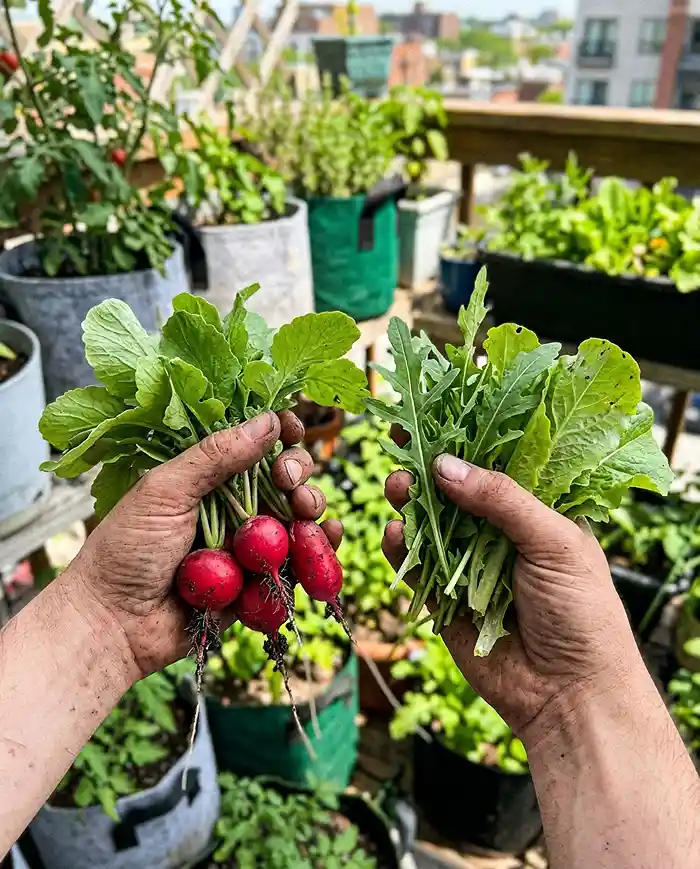
Ready to level up your beginner small-space gardening game? These techniques separate casual growers from people who get ridiculous harvests from tiny spaces.
The 3/4 spacing rule is a professional trick that maximizes productivity. Instead of following package spacing exactly, plant at 75% of the recommended distance. This works especially well with leafy greens and herbs where slight crowding actually improves flavor concentration.
Succession planting eliminates those annoying harvest gaps. Plant new lettuce, arugula, and radishes every 2 weeks instead of all at once.
The eggshell calcium solution is a weird trick that actually works. Crush and air-dry eggshells, then mix them into potting soil for tomatoes and peppers. This provides slow-release calcium that prevents blossom end rot—those gross black sunken spots that ruin perfectly good tomatoes.
Watering Wisdom: The Make-or-Break Factor
Forget rigid watering schedules—they don’t work because every beginner small-space gardening situation is different. Instead, use the finger test: stick your finger 1-2 inches into the soil. If it feels dry at that depth, water thoroughly until it drains from the bottom holes.
Container-specific realities mean your watering needs vary wildly. Balcony plants might need twice-daily watering in summer heat, while terracotta pots dry out way faster than plastic ones. Fabric bags need more frequent watering than traditional containers.
Signs you’re overwatering: yellow leaves, musty soil smell, fungal growth. Signs you’re underwatering: wilting, brown leaf edges, soil pulling away from container sides.
Troubleshooting Common Beginner Mistakes
When plants fail, don’t beat yourself up. Even experienced gardeners kill “easy” plants regularly in their beginner small-space gardening adventures. Cilantro bolts unexpectedly, lettuce turns bitter, tomatoes develop mysterious spots. Each failure teaches you something valuable.
The recovery protocol is simple: remove failed plants immediately to prevent pest and disease spread, refresh soil with compost, rotate to a different plant family to break disease cycles, and document what went wrong for future reference.
Most common fatal mistakes include no drainage holes (guaranteed root rot), overwatering (kills more plants than anything else), and wrong plant-to-light matching.
Digital Tools for Modern Container Gardeners
Technology makes beginner small-space gardening way easier than it used to be. AI-powered plant diagnosis apps like PlantNet and PictureThis provide instant problem identification—just snap a photo of diseased leaves and get answers immediately.
Planning apps like Seed to Spoon calculate optimal planting dates based on your specific location, while GrowVeg helps with container garden layout planning.
Frequently Asked Questions
What is the absolute easiest plant for a complete beginner?
Mint is virtually indestructible and bounces back from neglect, though you’ve gotta keep it in its own container. For fastest results, cress provides harvests in just 10-14 days and is nearly impossible to kill.
How much sunlight do small-space vegetables need?
Fruiting vegetables (tomatoes, peppers, beans) require 6-8 hours of direct sunlight daily. Leafy greens and most herbs thrive with 4-6 hours. Some greens and herbs can tolerate as little as 3-4 hours with reflected light.
Can I grow vegetables on a north-facing balcony with limited sunlight?
Absolutely. Focus on shade-tolerant crops like lettuce, spinach, arugula, chives, mint, and parsley. Maximize available light using reflective surfaces and light-colored walls. Just avoid fruiting vegetables that need intense sun.
How often should I water container plants?
Use the finger test instead of rigid schedules. Balcony containers in summer might need watering twice daily, while indoor containers might only need water every 3 days. It totally depends on your specific beginner small-space gardening setup.
What size container do I need for tomatoes?
Minimum 12-14 inches deep and 5 gallons soil volume for dwarf varieties. Standard tomatoes need 18+ inches deep and 10+ gallons. Fabric grow bags in 5-7 gallon sizes provide excellent drainage and root development.
How do I know if my plants are getting enough light?
Leggy, stretched stems reaching toward light mean insufficient sun. Compact growth with deep green leaves shows adequate light. Track direct sunlight hours over 3 days or use a sun calculator app for accurate measurement.
What’s the difference between determinate and indeterminate tomatoes for containers?
Determinate (bush) tomatoes grow to a set height (18-24 inches), fruit all at once, and are perfect for containers. Indeterminate (vining) tomatoes grow continuously, need extensive staking, and are way more challenging for beginners in small spaces.
Your beginner small-space gardening journey starts with choosing just one fast-growing plant from this guide, setting up your container properly, and experiencing that incredible satisfaction of harvesting food you grew yourself. Trust me—once you taste that first homegrown tomato or fresh basil, you’ll be completely hooked.