

10 Fast-Growing Vegetables for Small Pots
No space? No problem! Grow 10 fast-growing vegetables for small pots and containers—radishes in 23 days, spinach in 25. Start your container garden now!
Look, I get it—you’re staring at your tiny balcony or windowsill thinking there’s no way you can grow actual food there. But here’s the thing: fast-growing vegetables for small pots and containers are basically the cheat code of gardening.
I’m talking radishes ready in 23 days, spinach you can snip at 25 days, and green onions that’ll regrow from your kitchen scraps in just 21 days.
Seriously, with the right setup, you’ll be harvesting fresh veggies in 3-4 weeks. No massive garden required, no fancy equipment—just small containers and a bit of know-how that I’m about to share with you.
Table of Contents
Why Fast-Growing Vegetables for Small Pots and Containers Are Actually Genius
Here’s why container gardening for beginners is having such a moment right now. Instead of waiting forever like you would with traditional gardening, you can harvest three rounds of radishes in the time it takes to grow one head of cabbage. That’s what gardeners call “rapid-cycle urban horticulture,” but I just call it smart.
Kitchen-door gardening is my favorite concept—it’s exactly what it sounds like. You keep your pots right by your kitchen door or on your windowsill, so when you’re making dinner and realize you need fresh basil or spinach, you just step outside and snip some. No car trip, no wilted grocery store greens. Just fresh-picked flavor.
And honestly? Quick wins are everything when you’re starting out. There’s something magical about watching radishes pop up within days and actually eating something you grew in three weeks. It builds momentum and makes you want to keep going, which is how I accidentally ended up with 20 containers on my fire escape (don’t judge).
Now, let’s talk Days to Maturity (DTM)—that’s the number printed on every seed packet telling you how long until harvest. For direct-seeded crops, it counts from when you plant. For transplants, it starts from when you move them to their final container. The cool part? In containers with good soil and proper care, you can often beat that number by a few days.
Setting Up Your Containers for Speed (This Actually Matters)
The Soil Situation: Why Regular Dirt Won’t Cut It
Okay, first mistake everyone makes: using garden soil in containers. Don’t do it. Garden soil compacts in pots and basically suffocates your plant roots. You need actual potting mix—it’s lighter, fluffier, and designed for container life.
But here’s where it gets interesting. If you want your fast-growing vegetables for small pots and containers to grow even faster, upgrade that potting mix. Mix in about 10-20% worm castings (yeah, worm poop—trust me on this). Add some pre-charged BioChar if you can find it. Toss in extra perlite—those white volcanic pieces that look like Styrofoam but aren’t.
This combo can literally shave 3-5 days off your growing time. The worm castings feed your plants slowly, the BioChar holds water and nutrients like a sponge, and the perlite keeps everything from getting waterlogged.
One more nerdy thing: keep your soil pH between 6.0-7.0. Within that sweet spot, your plants can actually absorb the nutrients they need. Outside that range? They’re basically starving even in rich soil.
Picking the Right Containers (Size Really Does Matter)
Here’s a trick I learned after killing way too many tomatoes: the double-potting method. Put your planted container inside a slightly larger decorative pot with about an inch of air gap between them. That air space insulates your roots from temperature swings, which is huge if you’re growing on a balcony or rooftop where it gets crazy hot or cold.
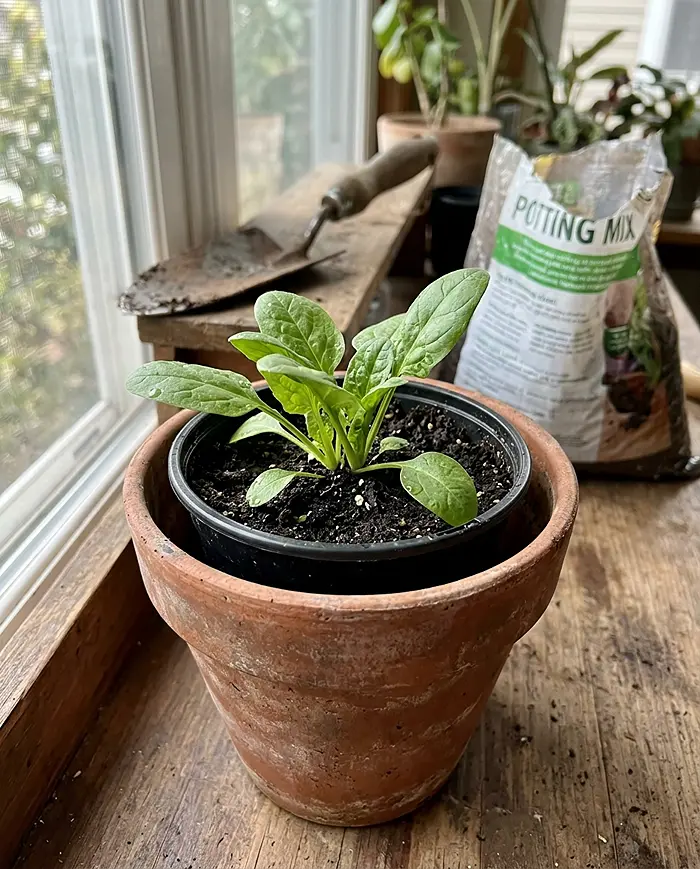
Material choice is a bigger deal than you’d think. Plastic containers hold moisture longer—great for leafy greens, but they can overheat in direct sun. Ceramic pots look gorgeous but dry out faster, so you’ll be watering more often. Fabric grow bags are my secret weapon for root health, but they need consistent watering.
And drainage? Non-negotiable. Every single container needs holes—at least four quarter-inch holes in the bottom. No holes = dead plants. It’s that simple.
Size guidelines for success: 1-gallon containers work beautifully for lettuce, spinach, and herbs. For beans, beets, and tomatoes, go with 5-gallon buckets minimum. Your plants’ roots need room to spread out, and cramped roots mean slow growth.
The 10 Speed Demons of Container Gardening
Alright, let’s get to the good stuff—the actual fast-growing vegetables for small pots and containers that’ll make you look like a gardening genius in under a month.
1. Radishes (23–30 Days) – The Ultimate Instant Gratification
- Container depth: 6-8 inches (window boxes work great)
- Try these compact cultivars: ‘French Breakfast’ if you want mild and elegant, ‘Cherry Belle’ for classic round radishes
- Spacing trick: Plant them 2 inches apart and thin out any crowded ones early
- Harvest secret: Pull them the moment they’re marble-sized—wait too long and they get woody and bitter
- Difficulty: So easy a toddler could do it
2. Spinach (25–30 Days for Baby Leaves) – The Shade Lover
- Container depth: 6-8 inches, but go wide rather than deep
- Best picks: ‘Space’ (super disease-resistant), ‘Baby’s Leaf Hybrid’
- Pro move: Plant seeds thick and harvest as baby leaves using the cut-and-come-again method
- Secret advantage: Only needs 4-5 hours of sun—perfect for shady balconies
- Difficulty: Ridiculously easy
3. Green Onions (21–60 Days) – The Gift That Keeps Giving
- Container depth: 4-6 inches (seriously, that’s it)
- Two methods: Grow from seed (takes 60 days) OR regrow kitchen scraps in water then soil (tops ready in 21 days)
- Space hack: Cram 15-20 plants in a 12-inch pot—they don’t mind
- Harvest options: Snip tops for regrowth or yank the whole thing
- Difficulty: Easier than ordering takeout
4. Lettuce (30–45 Days) – The Never-Ending Salad Bowl
- Container depth: 6-8 inches, 1-gallon minimum
- Best compact cultivars: ‘Tom Thumb’ for butterhead, ‘Little Gem’ for romaine
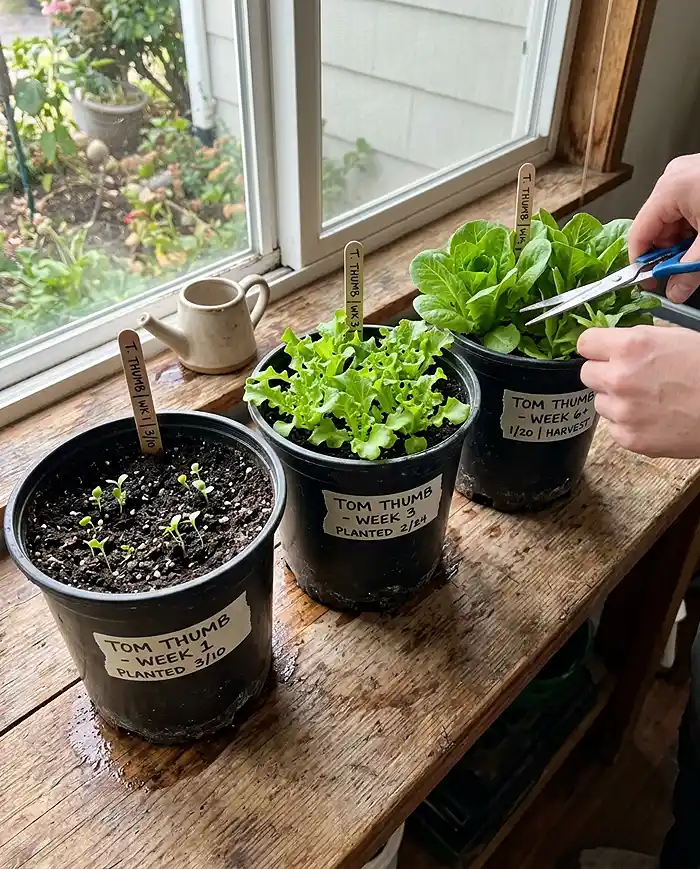
- Genius strategy: Plant new seeds every 2 weeks for continuous harvests
- Harvest technique: Cut outer leaves at 3-4 inches, leave the center to keep producing
- Difficulty: Beginner-friendly all the way
5. Bok Choy (30–45 Days) – The Compact Asian Superstar
- Container depth: 8-10 inches
- Miniature varieties: ‘Toy Choy’ gives you adorable 5-inch heads, ‘Win-Win’ is another winner
- Spacing choice: 6 inches apart for full heads, 3 inches for baby greens
- Water tip: Keep soil consistently moist or it’ll bolt (go to seed) prematurely
- Difficulty: Very beginner-friendly
6. Microgreens (7–21 Days) – The Absolute Speed Record Holder
- Container depth: 2-3 inches (shallow trays are perfect)
- Top performers: Radish, arugula, broccoli, sunflower microgreens
- Light needs: 12-16 hours (grow lights are your friend for indoor growing)
- Harvest timing: Cut with scissors when first true leaves appear
- Difficulty: Literally the easiest thing you’ll ever grow
7. Arugula (30–40 Days) – The Peppery Powerhouse
- Container depth: 6-8 inches
- Variety picks: ‘Astro’ for milder flavor, ‘Rocket’ for that classic peppery kick
- Shade tolerance: Happy with just 4-6 hours of sun
- Flavor note: Gets spicier as it matures and when it’s hot outside
- Difficulty: Foolproof for beginners
8. Bush Beans (45–55 Days) – The Productivity Champion
- Container depth: 8-12 inches deep, 5-gallon minimum for real yields
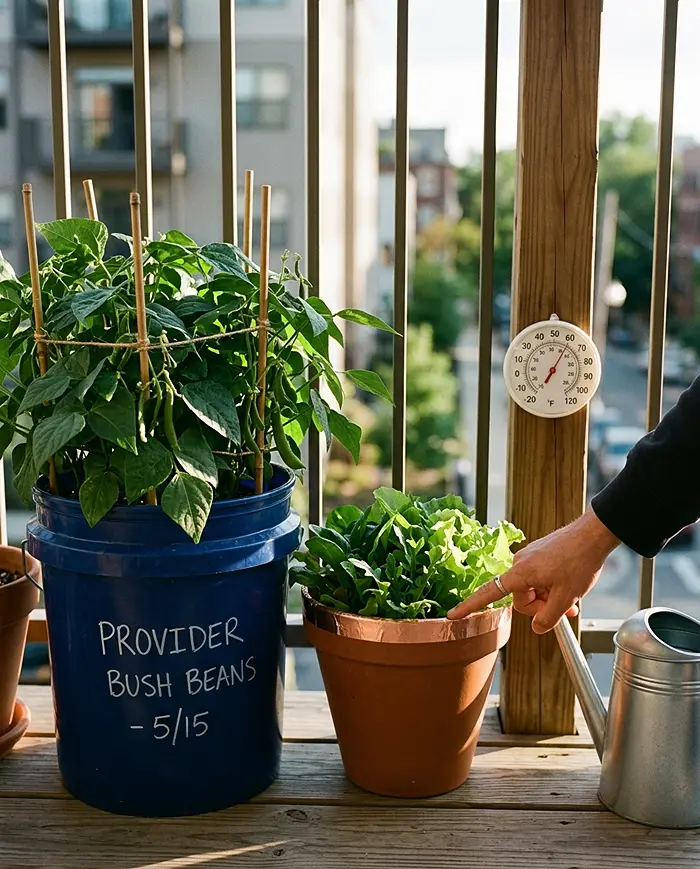
- Best varieties: ‘Provider’, ‘Porch Pick’, ‘Bush Blue Lake’
- Support needs: Even dwarf types might need small stakes when loaded with beans
- Bonus: They fix nitrogen in the soil, making it better for your next crop
- Difficulty: Pretty easy once established
9. Baby Beets (40–50 Days) – The Two-for-One Deal
- Container depth: 12 inches minimum (they need the depth)
- Small varieties: ‘Robin’ for 2-inch globes, ‘Detroit Dark Red’ is a classic
- Soil needs: Loose, well-draining mix prevents weird forked roots
- Double harvest: Eat the greens early, then harvest the roots later
- Difficulty: Moderate—a good “next level” crop
10. Cherry Tomatoes (55–65 Days) – The Rewarding Challenge
- Container size: 5-gallon minimum, but bigger is genuinely better
- Best determinate varieties: ‘Tiny Tim’, ‘Patio Princess’, ‘Red Robin’
- Support system: Cage or stake them even if they’re dwarf types
- Feeding trick: Switch to bloom fertilizer when flowers appear
- Difficulty: Moderate—perfect for when you’re feeling confident
If you’re just starting out with container gardening for beginners, I’d recommend checking out this guide on Best Beginner Plants for Small-Space Gardening for even more options beyond vegetables.
Speed Hacks: Making Your Vegetables Grow Even Faster
Timing and Temperature Tricks
Container soil warms up way faster than garden beds in spring, which means you can plant earlier. Most vegetables are happiest between 60-75°F, and containers help you maintain those temps more consistently than in-ground gardens.
Succession planting is your friend. Instead of planting all your lettuce at once and getting overwhelmed with salad, plant three small containers two weeks apart. Boom—continuous harvests instead of feast or famine.
The Feeding Strategy That Actually Works
Early on, your plants need nitrogen for leaf growth. Once fruiting crops like tomatoes and beans start flowering, switch to phosphorus and potassium.
Here’s the container-specific trick: feed lightly and frequently rather than heavily once a month. Nutrients wash out with every watering, so weekly feeding at quarter-strength beats monthly full-strength applications every time.
The Moon Phase Thing (Yeah, I Know How It Sounds)
Look, I was skeptical too, but moon phase planting is a thing many experienced gardeners swear by. Plant leafy crops during the waxing moon (new to full) and root crops during the waning moon (full to new). The Old Farmer’s Almanac has been tracking this stuff for centuries, and plenty of gardeners report measurably faster growth. Worth a try, right?
Dealing with Pests Without Poisoning Your Food
Physical Barriers That Actually Work
Floating row covers are lightweight fabric you drape over containers to block caterpillars, aphids, and flea beetles. Light and water still get through, but pests don’t.
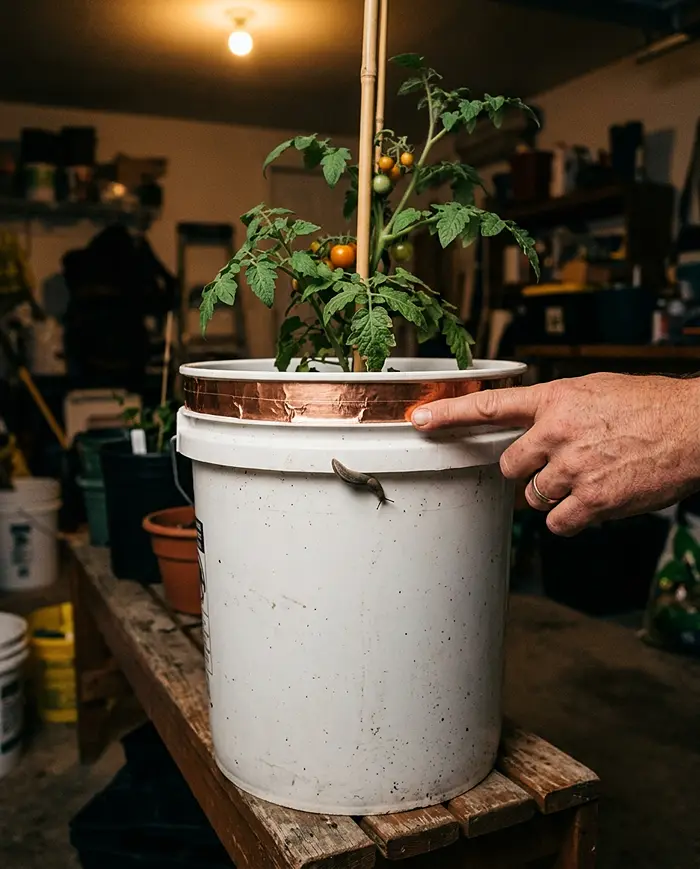
My favorite trick? The “slippery rim” method. Put copper tape around your pot rims and smear petroleum jelly on top. Slugs hate it and won’t cross it—no toxic bait needed.
The Container Advantage for Problem-Spotting
One massive benefit of fast-growing vegetables for small pots and containers? You can inspect them easily every day when you water. Leggy seedlings? Not enough light. Slow growth? Check the temperature or see if they’re root-bound.
Quick fixes are simple: move pots to better light, protect them from weather extremes, or isolate problem plants immediately before issues spread.
Fast-Growing Vegetables for Small Pots FAQs
What’s literally the fastest vegetable I can grow in a pot?
Microgreens win at 7-10 days. For “real” vegetables, radishes take the crown at 23-25 days.
Can I actually grow vegetables in those tiny 1-gallon pots?
Absolutely—lettuce, spinach, arugula, green onions, and microgreens all crush it in 1-gallon containers or smaller.
How much sun do I really need?
Most vegetables want 6-8 hours of direct sunlight. But leafy greens (spinach, lettuce, arugula) will still produce with just 4-5 hours, which is clutch for shadier balconies.
How often should I be watering these things?
Check daily when it’s warm. Stick your finger in the soil—if the top inch is dry, water. Container soil dries way faster than garden beds, so don’t ghost your plants.
Do I seriously need special soil?
Yes, and this is non-negotiable. Use potting mix, not garden soil. Garden soil compacts in containers and kills root growth and drainage. Don’t learn this the hard way like I did.
Your Week 1 Game Plan
Start simple: Pick 2-3 proven crops—radishes for that quick dopamine hit, lettuce for ongoing harvests, and green onions for continuous use. Use whatever containers you already have (old buckets, storage bins, whatever) as long as you drill drainage holes.
Track your progress: Write down when you plant and compare your actual harvest date to the seed packet prediction. Take photos of growth stages. It’s weirdly satisfying and helps you learn what works in your specific space.
Scale gradually: Once you nail your first crops, create a simple planting calendar for succession crops. Source quality seeds from reliable suppliers. Join container gardening communities online for troubleshooting help and inspiration.
Here’s your mission: Choose three vegetables this weekend, grab some containers and potting mix, and get those seeds in the ground. With these fast-growing vegetables for small pots and containers, you’ll be harvesting fresh, homegrown produce in a month or less. Limited space doesn’t mean limited possibilities—it just means you need to be a bit smarter about what you grow.