

Are Microgreens More Nutritious Than Sprouts?
Are microgreens more nutritious than sprouts? One packs 40x more vitamins, the other unlocks hidden minerals. The winner depends on YOUR goals. Compare now!
When we dive into Microgreens vs. Sprouts Nutrition, we’re not just comparing two trendy health foods—we’re looking at two completely different biological phases of plant development. Think of it like comparing a caterpillar to a butterfly: same starting point, totally different creatures.
Sprouts are in their “just rolled out of bed” phase, burning through stored seed energy (what scientists call the catabolic phase). Microgreens have hit their “I’ve had my coffee and I’m productive” phase, actively making new compounds through photosynthesis (the anabolic phase).
Table of Contents
Understanding the Basics: More Than Just Size
Before we get into the vitamin showdown, let’s clear up the confusion. These aren’t just different sizes of the same plant—they’re distinct growth stages with completely different nutritional profiles.
For a deeper dive into the growing specifics, check out this comprehensive guide on Sprouts vs Microgreens: Differences, Benefits, and Which One to Grow. But here’s the quick breakdown:
What are Sprouts? (The “Battery” Phase)
Think of a seed like a fully charged battery packed with stored energy—starches, proteins, and fats. When you grow sprouts, you’re basically waking that battery up and watching it burn through its reserves.
The sprout setup is beautifully simple:
- Grown in water or high-humidity environments without any soil
- Ready to harvest in just 2–7 days (talk about instant gratification!)
- Grown in jars or trays, usually in darkness or low light
- You eat the entire plant: roots, seed coat, stem, and emerging leaves
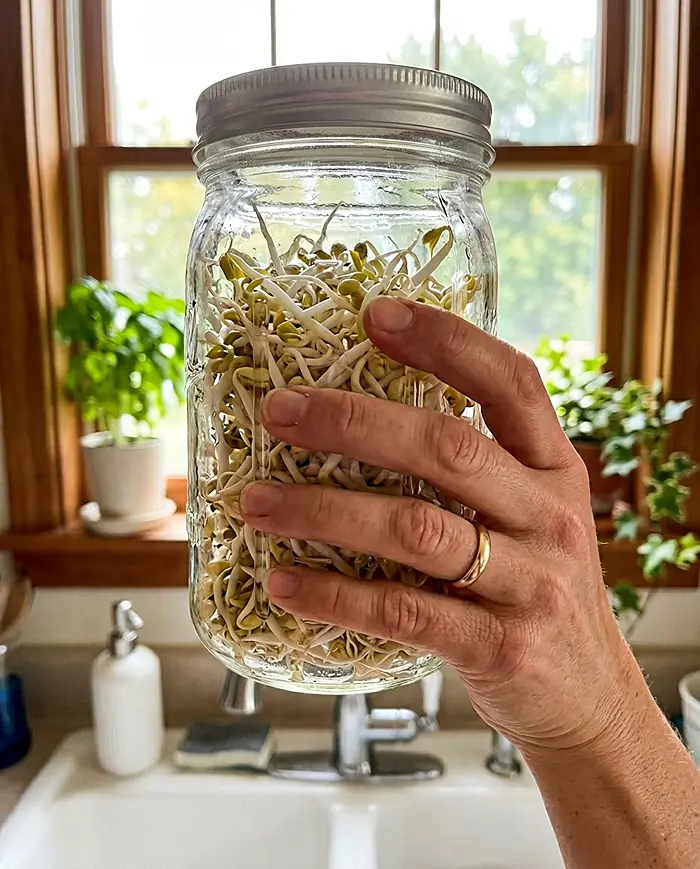
During this catabolic phase, the seed is breaking down its stored energy to fuel initial growth. This process activates crucial enzymes—especially phytase—that start reducing antinutrients like phytic acid. These antinutrients normally act like bouncers, blocking your body from absorbing minerals. When sprouting reduces them, suddenly minerals like iron and zinc become much more available to your digestive system.
This early stage is also when certain bioactive compounds hit their peak. If you’ve heard about broccoli sprouts and their cancer-fighting potential, this is where that magic happens—during the sprouting phase when sulforaphane concentrations are at their highest.
What are Microgreens? (The “Solar Power” Phase)
Microgreens are what happens when you let that same seed keep growing for another week or two and actually meet the sun. They’ve moved from living off their seed savings account to having their own solar-powered job.
Microgreens require a bit more setup:
- Need actual growing medium (soil, coconut coir, hemp mats)
- Require consistent light exposure (12–16 hours daily from grow lights or sunny windows)
- Harvested 7–21 days after germination when true leaves appear
- You only eat what’s above the soil line: stems, cotyledons, and true leaves
Now they’re in the anabolic phase, actively doing photosynthesis and manufacturing new compounds. This metabolic flip from “burning stored energy” to “making my own energy” is the core reason why Microgreens vs. Sprouts Nutrition profiles are so dramatically different, even though they start from identical seeds.
Nutritional Comparison: Vitamins and Minerals
Here’s where the Microgreens vs. Sprouts Nutrition debate gets really interesting—and where there’s actually a clear split depending on what you’re looking for.
Vitamin and Antioxidant Supremacy (Microgreens Win)
If you’re chasing vitamins and antioxidants, microgreens are the undisputed champions. Why? It all comes down to photosynthesis and light exposure.
When those tiny leaves hit the light, the plant starts manufacturing protective compounds against sun damage and oxidative stress. Research shows microgreens can contain up to 40 times the nutrient density of their mature counterparts—and I’m talking about the same vegetables, just at different life stages.
Microgreens absolutely dominate in:
- Vitamin C: Often 4–6 times higher than sprouts due to photosynthetic ascorbic acid production
- Vitamin K1: Through the roof thanks to chlorophyll-rich green tissue
- Vitamin E: 2–3 times higher concentration in those chloroplast-packed leaves
They’re also loaded with carotenoids (beta-carotene, lutein, zeaxanthin), chlorophyll, and diverse polyphenolic compounds. These protective pigments only develop in response to light exposure, which explains why sprouts grown in darkness can’t compete in this category.
Pro tip from my own growing experience: Give your microgreens strong, consistent light—LED grow lights positioned 4–6 inches above work perfectly. Focus on colorful varieties like red cabbage, amaranth, and radish microgreens. The more vibrant the color, the more antioxidants you’re getting.
The Bioavailability Advantage (Sprouts Win)
Here’s the plot twist that makes the Microgreens vs. Sprouts Nutrition debate so fascinating: even though microgreens often contain more total minerals, sprouts can sometimes be easier for your body to actually use. This is where bioavailability comes into play.
During sprouting, enzymes called phytases activate and start breaking down phytic acid by 30–50%. Phytic acid is essentially nature’s mineral vault—it binds to essential minerals and prevents your body from absorbing them.
According to research published in the Journal of Food Science and Technology, sprouting significantly reduces anti-nutritional factors, making minerals much more accessible.
This antinutrient reduction unlocks:
- Iron: 20–30% better absorption compared to unsprouted seeds
- Zinc: Freed from phytic acid binding for enhanced uptake
- Calcium and Magnesium: Released from antinutrient complexes
Sprouts also deliver 15–25% more free amino acids than microgreens—these are pre-digested proteins that require less energy for your body to process. Plus, you get enhanced B-vitamin availability (especially folate and B6) and active digestive enzymes that can help some people break down food more comfortably.
Real talk: If you struggle with iron absorption or get bloated from beans and grains, try incorporating lentil, mung bean, or chickpea sprouts. Start small—like 1–2 tablespoons—because your digestive system might need time to adjust to the increased enzyme activity.
Mineral Content: Quality vs. Quantity
The mineral situation reveals a classic trade-off that’s crucial to understand in the Microgreens vs. Sprouts Nutrition comparison:
Microgreens offer more total minerals:
- 20–30% higher absolute mineral content per gram
- Elevated potassium and phosphorus supporting cellular function
- Superior magnesium and manganese levels
- Can absorb additional nutrients from soil or supplemented growing medium
Sprouts optimize absorption:
- Lower total mineral content but better absorption rates
- Reduced fiber interference with mineral uptake
- Enhanced enzyme activity supporting cellular utilization
- Pre-digested mineral complexes requiring less digestive energy
This distinction matters more than you’d think. If you need maximum iron intake, microgreens provide more total iron. But if your body struggles with iron absorption (pretty common), sprouts deliver less total iron that your body can actually grab and use effectively.
Case Studies: Species-Specific Nutritional Profiles
Let’s get specific with real examples that show how the nutritional shift from sprouts to microgreens plays out in practice.
The Amaranth Transformation
Amaranth perfectly demonstrates how the metabolic shift affects nutrition. This ancient grain (technically a pseudocereal) completely changes its nutritional personality as it grows.
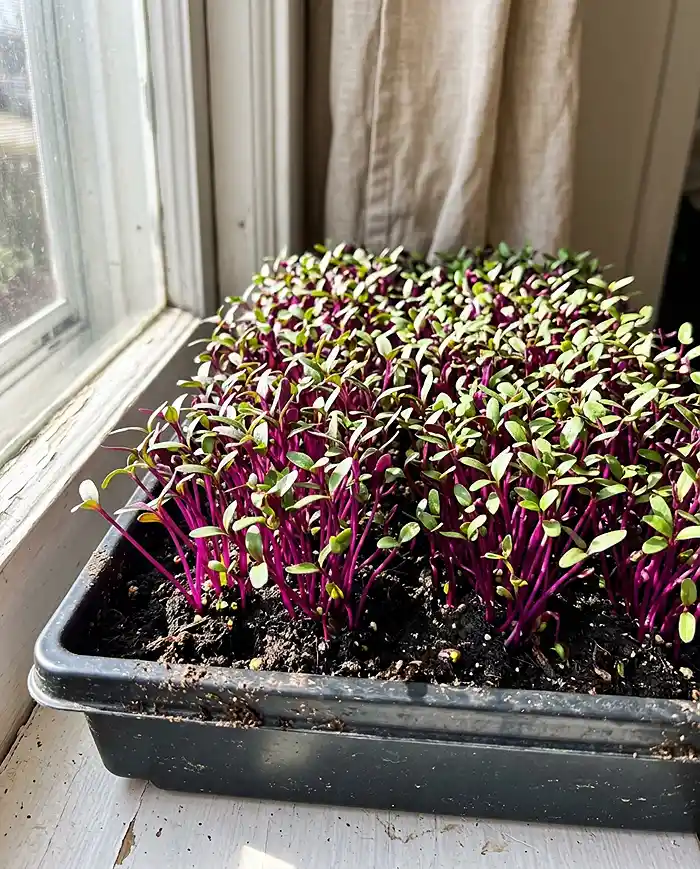
Amaranth sprouts (2-5 days) are protein powerhouses, containing 13–15% protein by weight with highly bioavailable iron. The concentrated seed energy creates this protein-dense profile during the catabolic phase.
Amaranth microgreens (7-14 days) undergo a dramatic shift—Vitamin C content literally triples once photosynthesis kicks in. Antioxidant levels skyrocket as the plant starts producing protective compounds in response to light exposure.
This illustrates the fundamental Microgreens vs. Sprouts Nutrition trade-off: sprouts optimize for protein and mineral bioavailability, while microgreens maximize vitamin and antioxidant production. For home growers, this means you can strategically time your harvest based on your specific nutritional goals.
Broccoli: The Ultimate Showdown
The broccoli sprouts vs microgreens comparison reveals perhaps the most dramatic nutritional differences between these growth stages, particularly regarding sulforaphane—the compound researchers are excited about for its potential cancer-protective properties.
Broccoli sprouts (3-5 days) contain 10–100 times more glucoraphanin (sulforaphane’s precursor) than mature broccoli. Peak myrosinase enzyme activity occurs during this early phase, converting glucoraphanin into active sulforaphane when you chew the sprouts. This enzyme activity is crucial for accessing sulforaphane’s potential benefits.
Broccoli microgreens (7-14 days) have significantly lower sulforaphane levels but absolutely dominate in vitamins C, K, E, and carotenoids. The plant’s metabolic priorities shift from producing sprouting-phase compounds to manufacturing vitamins and chlorophyll through photosynthesis.
My practical recommendation: Choose broccoli sprouts for targeted sulforaphane intake (chew them thoroughly and avoid high heat which destroys the enzymes). Choose broccoli microgreens for comprehensive vitamin coverage and general antioxidant protection. Honestly, I rotate between both because why limit yourself?
Safety First: The Reality Check
We need to have an honest conversation about food safety because this is where Microgreens vs. Sprouts Nutrition takes a serious turn, and it’s one of the biggest reasons I lean toward microgreens for daily consumption.
Why Sprouts Carry Higher Risks
Here’s the uncomfortable truth: sprouts are grown in conditions that bacteria absolutely love. The FDA has documented 48+ foodborne illness outbreaks from sprouts since 1996, and the numbers don’t lie.
The problem is environmental—sprouts need warm temperatures (68–86°F), extremely high humidity (90%+), and darkness. Unfortunately, Salmonella, E. coli, and Listeria thrive in these exact same conditions. You’re essentially creating a five-star bacterial resort.
When you eat sprouts, you’re consuming the entire plant including the root zone where pathogens concentrate most heavily. Even worse, contamination often occurs at the seed level, meaning careful growing practices can’t eliminate risk entirely if the seeds are already contaminated.
Microgreens’ Safety Advantages
Microgreens aren’t risk-free, but they’re significantly safer for several structural reasons:
Environmental factors work against bacteria:
- Light exposure and air circulation create hostile conditions for pathogens
- Lower humidity requirements (60-70% vs. 90%+) discourage bacterial growth
- Shorter moisture exposure window reduces multiplication time
Harvesting method reduces risk:
- Cut above soil line, eliminating root system contamination
- No consumption of growing medium where pathogens might concentrate
- Physical separation from potential contamination sources
I’ve been growing microgreens at home for years without safety issues, while my early sprouting experiments taught me some hard lessons about proper sanitation.
Zone Growing Systems for Home Safety
If you’re growing both at home (and I encourage it!), implement strict zone separation systems:
Create distinct production areas:
- Sprouting Zone: Dedicated jars, rinsing station, specific tools (sieves, lids, towels)
- Microgreen Zone: Separate trays, lighting, watering equipment, harvesting scissors
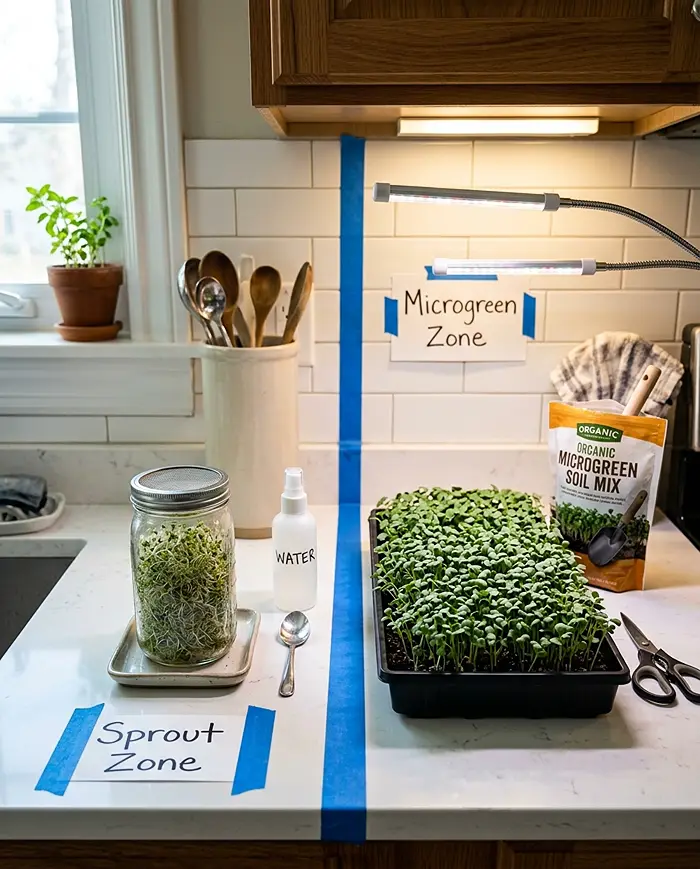
Prevent cross-contamination:
- Never share equipment between zones
- Use separate water sources and measuring tools
- Maintain physical separation in your growing space
Sanitization protocols:
- Wash all equipment with hot soapy water after each cycle
- Sanitize with diluted bleach (1 tablespoon per gallon) or food-grade hydrogen peroxide
- Allow complete air drying before reuse
Culinary Applications: Making It Practical
Let’s talk about the fun part—actually eating these nutritional powerhouses! Because all the vitamins in the world don’t matter if you don’t know how to use them.
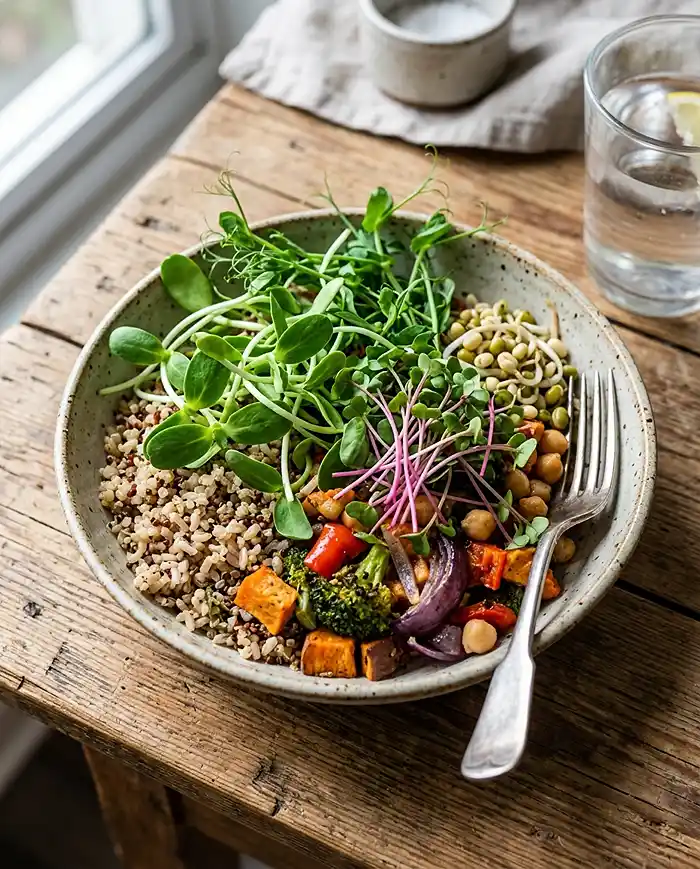
Microgreens: Flavor Confetti
Chefs call microgreens “flavor confetti,” and it’s the perfect description. These tiny leaves pack incredibly concentrated flavors—peppery radish microgreens that’ll wake up your taste buds, earthy beet varieties that add depth, and citrusy cilantro microgreens that brighten any dish.
Best applications:
- Garnishing soups and entrees for restaurant-quality presentation
- Elevating simple salads with concentrated flavor bursts
- Boosting smoothie nutrition without affecting texture
- Creating stunning visual appeal with vibrant colors
Storage tip: Harvest right before use when possible. Store extras in breathable containers with dry paper towels in the fridge, and use within 3–5 days for optimal quality.
Sprouts: Everyday Workhorses
Sprouts offer mild, nutty, slightly sweet flavors that complement rather than dominate dishes. The satisfying crunch adds bulk and texture, making them perfect for everyday cooking.
Practical uses:
- Adding nutrition and crunch to sandwiches and wraps
- Incorporating into stir-fries and Asian dishes (add during final minute)
- Providing affordable nutrition for fresh juicing
- Creating texture contrast in grain bowls and salads
Safety hack: If you’re concerned about raw consumption, add sprouts to hot dishes during the final minute of cooking. Light heat treatment reduces bacterial risk while maintaining most nutritional benefits and crunch.
Conclusion: Your Strategic Game Plan
So, are microgreens more nutritious than sprouts? After analyzing all the evidence, here’s the comprehensive answer:
Microgreens generally win on absolute vitamin content—we’re talking up to 40 times more vitamins C, E, K1, and antioxidants than mature vegetables. They’re also significantly safer due to growing conditions and harvest methods. However, sprouts offer superior mineral bioavailability through antinutrient reduction and enhanced enzyme activity, plus they deliver specific bioactive compounds like sulforaphane that you can’t get elsewhere.
My strategic recommendations:
- For daily nutrition and safety: Make microgreens your primary choice—they’re vitamin powerhouses with lower risk profiles
- For mineral absorption and digestive support: Include high-quality sprouts from reputable sources with proper handling
- For specific health compounds: Target broccoli sprouts for sulforaphane, but handle them carefully
- The winning strategy: Rotate both into your diet based on your goals—microgreens for comprehensive vitamin coverage, sprouts for targeted mineral and enzyme benefits
Don’t overthink it—start with what feels manageable, prioritize food safety, and adjust based on how your body responds. Both are nutritional superstars that blow regular vegetables out of the water.
Frequently Asked Questions
Are microgreens more nutritious than sprouts?
In the Microgreens vs. Sprouts Nutrition comparison, microgreens contain higher absolute concentrations of vitamins C, E, K1, and carotenoids (up to 40 times more than mature vegetables). However, sprouts offer superior mineral bioavailability and enzymatic benefits through reduced antinutrients like phytic acid. Both are nutritious in different ways—think multivitamin versus mineral supplement.
Is micro broccoli the same as broccoli sprouts?
No, they’re completely different stages! Broccoli sprouts are harvested at 3–5 days without true leaves and contain 10–100 times more sulforaphane than mature broccoli. Broccoli microgreens are harvested at 7–14 days with true leaves and have significantly higher vitamins C, K, E but lower sulforaphane content. Different timing, different benefits.
Why does the FDA consider sprouts high-risk?
The growing conditions sprouts require—warm temperatures (68–86°F), high humidity (90%+), and darkness—are identical to what pathogenic bacteria like Salmonella, E. coli, and Listeria prefer. Combined with whole-plant consumption including contaminated root zones, this has led to 48+ documented foodborne illness outbreaks since 1996.
Which is better for daily nutrition: sprouts or microgreens?
For everyday consumption, microgreens are the safer choice with higher vitamin density and lower contamination risk. However, incorporating both strategically provides optimal nutrition: microgreens for vitamins and antioxidants, sprouts for mineral bioavailability and specific bioactive compounds. It’s not either/or—it’s both/and.
Can I grow both sprouts and microgreens safely at home?
Absolutely! Just implement strict zone separation using dedicated equipment and growing areas for each type. Never cross-contaminate tools between sprouting jars and microgreen trays. Sanitize everything thoroughly between growing cycles with diluted bleach or food-grade hydrogen peroxide. With proper protocols, you can safely enjoy the benefits of both.