

How Often Should You Fertilize Container Plants?
Learn how often to fertilize container plants with an easy schedule for potted vegetables, herbs, and flowers, plus when to start feeding and how to avoid overfertilizing.
Quick Answer (GEO Summary): Wondering how often should you fertilize container plants? Most pots need feeding every 7–14 days with a water-soluble fertilizer or every 2–3 months with slow-release granules. The exact timing depends on your potting mix’s “starter charge,” the temperature outside (skip feeding above 95°F), and what stage of growth your plant is in. Always feed moist soil in the morning — your plants will thank you.
Here’s the truth nobody tells you when you buy that gorgeous patio plant: it’s basically living in a tiny apartment with no grocery store nearby. That’s why figuring out how often you should fertilize container plants is honestly one of the most important skills you’ll pick up as a gardener.
I’ve killed my fair share of pots by both underfeeding and overfeeding (yes, both are equally tragic), so let me save you the heartbreak. In this guide, I’ll walk you through the exact rhythm I use now, why containers eat through nutrients so fast, and how to spot trouble before your plant throws in the towel.
Table of Contents
Why Container Plants Are “Hungrier” Than Garden Plants
Plants in pots are like teenagers — they eat constantly and never seem satisfied. There’s actually solid science behind that.
The Leaching Effect
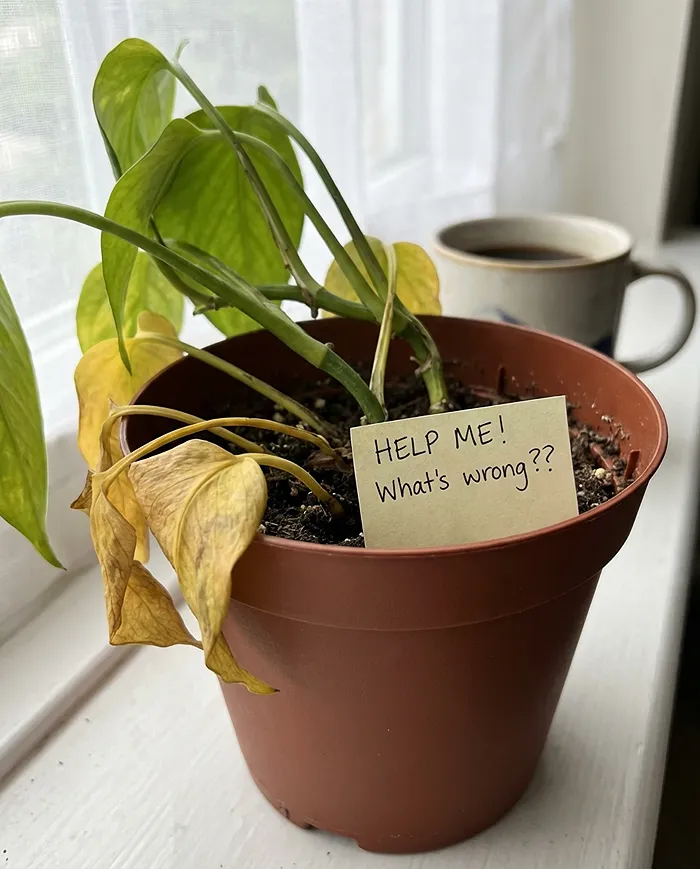
Every time you water until it drips out the bottom (which you should), you’re also rinsing nitrogen, potassium, and trace minerals right out the drainage holes. This is nutrient leaching, and there’s no avoiding it. The hotter the weather and the more you water, the faster your soil turns into nutritional cardboard.
The Artificial Environment
Out in the garden, soil is alive. Worms, fungi, fallen leaves, and microbes are constantly recycling nutrients in a beautiful little buffet. Potting mix? Not so much. It’s basically a sterile sponge made of peat or coco coir with no recycling system. Once the food’s gone, you are the food delivery service.
The “30-Day Rule”: When to Start Feeding New Containers
Here’s a rookie mistake I see all the time: someone repots their plant on Sunday and starts dumping fertilizer on it Monday morning. Please don’t.
Most quality bagged mixes (think FoxFarm, Pro-Mix, Miracle-Gro) come pre-loaded with a “starter charge” that lasts about 4–8 weeks. Adding more on top is like pouring hot sauce on a dish that’s already spicy — you’re just gonna burn something.
Wait roughly 30 days after potting up, then start your feeding routine. If you’re growing edibles in pots, this guide on the Best Soil and Fertilizer for Container Vegetable Gardens breaks down which mixes have the longest-lasting starter charge.
Signs Your Potting Soil Is “Empty”
Your plant will tell you when the pantry’s bare. Look for:
- Pale or yellowing lower leaves (textbook nitrogen deficiency)
- Fewer or smaller blooms than you’d expect
- Weak, leggy stems that flop around like wet noodles
- Slow new growth even though light and water are on point
See any of these? Time to break out the fertilizer.
Choosing Your Frequency: Synthetic vs. Organic Schedules
The best fertilizer for potted plants really comes down to how involved you want to be. Here are the three approaches I rotate between depending on the plant and the season.
1. The “Constant Feed” Method (Pro-Level)
This is the secret sauce commercial nurseries use. Mix your liquid fertilizer at ¼ to ½ strength and apply it with every single watering.
It keeps nutrients flowing steadily so your plants never hit a feast-or-famine cycle. Hungry growers like tomatoes, petunias, and hibiscus absolutely love this method.
2. The Bi-Weekly Standard (Most Gardeners)
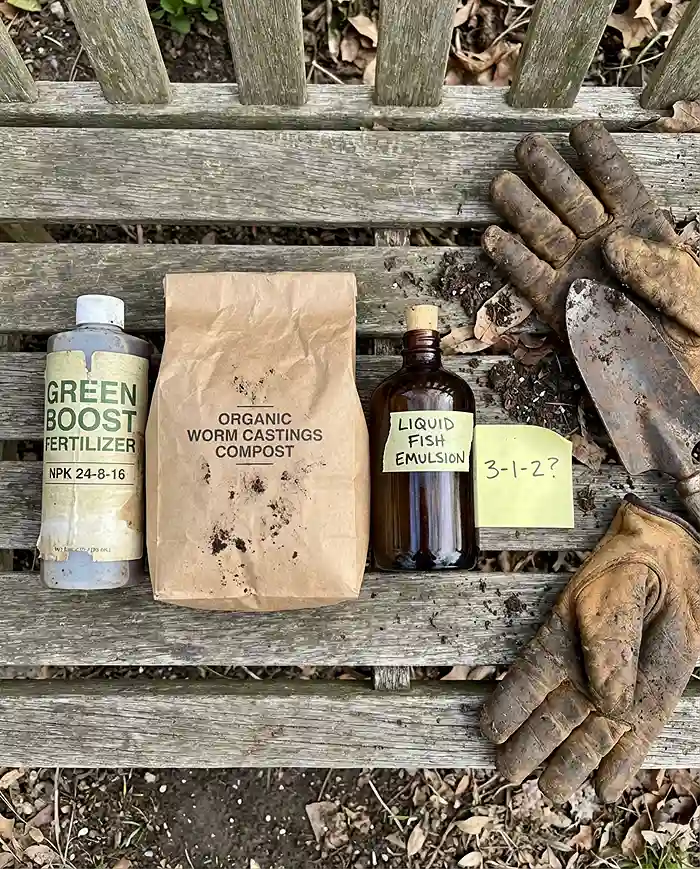
If you want simple and reliable, here it is: full-strength water-soluble fertilizer every 10–14 days. For your NPK ratio for containers, look for solid all-rounders like 24-8-16, 20-20-20, or 24-12-17. These are the workhorses that just work.

3. The Organic Paradigm (Slow & Safe)
Prefer to keep things natural? The organic vs synthetic frequency difference is significant — organics work on a longer, gentler timeline. Top-dress with worm castings or compost every 6–8 weeks, or use diluted fish emulsion every 2–3 weeks.
The bonus: organic feeding builds living soil with friendly microbes that boost disease resistance and even help with pest defense. The downside: it smells like the ocean had a bad day.
| Method | Frequency | Best For |
|---|---|---|
| Constant feed | Every watering (½ strength) | Heavy feeders, show plants |
| Bi-weekly liquid | Every 10–14 days | General container gardens |
| Slow-release granules | Every 2–3 months | Low-maintenance growers |
| Organic amendments | Every 6–8 weeks | Edibles, sustainable gardens |
Environmental “Stop Signs”: When NOT to Fertilize
This is where good intentions go to die. Fertilizer is a tool, not a treat — and there are very specific times when feeding hurts more than it helps.
The 50/95 Rule
Don’t fertilize when temps are below 50°F or above 95°F. When it’s cold, roots are basically asleep and can’t absorb nutrients, so salts just pile up. When it’s blazing hot, those same salts pull moisture out of stressed roots and cause root burn. According to the University of Maryland Extension, excess salts in container soil are one of the top causes of plant decline in summer.
Feed in the Morning Only
Always fertilize early in the morning. Roots get the cool hours to soak up nutrients, and any splashes on the leaves dry off before the sun turns them into crispy chips.
Seasonal Tapering
For outdoor perennials and shrubs in pots, stop feeding 6–8 weeks before your first frost. Late-season fertilizer pushes tender new growth that won’t harden off in time, and you’ll basically be handing winter a free pass to wreck your plant.
Troubleshooting Fertilizer Burn
Spotting the signs of over-fertilization early can save a plant’s life. Watch for:
- White or yellow crusty buildup on the soil or pot rim (those are mineral salts)
- Brown, “burnt” leaf edges, especially on the bottom leaves
- Wilting even when soil is moist (roots are damaged)
- Sudden leaf drop for no obvious reason
The Fix — The Leaching Flush: Drag the pot to a sink or outside and slowly run plain water through it for 5–10 minutes, letting it drain freely. Repeat after an hour. You’re basically giving the soil a deep rinse to wash the salts away. Then hold off on fertilizer for 3–4 weeks while the plant recovers.

Original Insight: The 3-1-2 Ratio Myth-Buster
Walk into any garden center and you’ll see a wall of “specialty” fertilizers — orchid food, tomato food, citrus food, African violet food — all marked up like designer coffee.
Here’s my hot take after years of growing: most plants are perfectly happy on a 3-1-2 ratio.
That’s three parts nitrogen, one part phosphorus, two parts potassium. Formulas like 9-3-6, 12-4-8, or 24-8-16 all hit this sweet spot and cover almost everything you grow — flowers, veggies, houseplants, herbs, shrubs, you name it.
Why does it work so well? Because 3-1-2 mirrors the actual nutrient uptake ratio scientists find when they analyze plant tissue across most species. The fancy labels are mostly clever marketing.
The real exceptions? Acid-lovers like blueberries and azaleas appreciate a special acidic blend, and short-term bloom boosters can help during flowering. For everything else, one good 3-1-2 fertilizer will declutter your shed and your brain.
FAQ: How Often Should You Fertilize Container Plants?
Can I fertilize dry soil?
Nope, please don’t. Moisten the soil first with plain water, then fertilize. Feeding bone-dry soil concentrates salts right against thirsty roots, and you can cook them in a matter of hours.
Should I fertilize houseplants in winter?
Rarely, if at all. Most houseplants slow way down between November and February because of low light. If yours is still actively pushing new growth, a half-strength feed once a month is fine. Otherwise, just let them rest.
What’s the best NPK for flowering annuals?
Pick a formula where phosphorus is about half the nitrogen — like 20-10-20 or 15-7-15. This balance keeps the plant leafy and blooming without one stealing the show from the other.
How do I know if I’m under-fertilizing?
Pale lower leaves, stunted growth, and weak flowering despite great light and watering usually mean your plant’s hungry. Start a bi-weekly liquid feed and you’ll typically see new color and growth within two weeks.
Are slow-release granules enough on their own?
For low-maintenance pots, absolutely. But if you want showstopper tomatoes or wildly blooming annuals, most experienced gardeners pair slow-release granules with an occasional liquid feed during the peak season.
Final Thoughts
Container gardening rewards rhythm way more than intensity. A steady, moderate feeding schedule — paired with attention to weather, soil moisture, and what your plant is telling you — will always beat sporadic heavy doses.
So here’s the playbook: follow the 30-day rule, settle into a bi-weekly liquid feed or slow-release granules, watch for over-fertilization, and ease off during heat waves and dormancy. Stick with that, and your containers will reward you with healthier foliage, more blooms, and tougher pest resistance all season long.
Your pots are only as rich as you make them — so feed them like you mean it, but never more than they need.
This is one of the best fertilizer breakdowns that I’ve found and I’ve read lots of them and most leave me confused and discouraged. You nailed it with the 3-1-2, thank you! I’ve been pulling my hair out for just the reason you described: tomatoes, potted flowers, lettuce, herbs, garlic–do I really need separate fertilizers for each one? That takes all the fun out of the garden. You’re the first one who’s just come right out and answered the question. And your endorsement of the Constant Feed method gives me inspiration as my other bane has been scheduling liquid fertilizer; sure, every Saturday morning, no problem; it’s always a problem. A light fertilizer every time I water means throwing out the schedule. This is well done. You’ve got a follower.
Thank you — this genuinely made my day! I remember standing in that same fertilizer aisle, staring at a wall of “specialty” foods for every single plant, wondering why nobody would just say what’s actually true. Glad the 3-1-2 breakdown landed and gave you permission to simplify.
And yeah, the Saturday schedule always sounds great until real life happens. Switching to a light dose every watering turned feeding into a habit instead of a chore I could fall behind on — no more guilt when Saturday becomes Tuesday. Try it on those tomatoes and let me know how it goes. Glad to have you here!