

Best Fertilizers for Container Vegetables
Discover the best fertilizers for container vegetables and double your harvest in 2026. NPK secrets, feeding schedules & pro tips inside — start growing today!
Let’s be honest — your potted tomatoes aren’t going to feed themselves. Unlike plants in a garden bed, container plants are basically living in a tiny apartment with no pantry, and you’re the one running the kitchen. That’s why picking the best fertilizers for container vegetables is hands-down the most important call you’ll make this growing season.
The short answer? Containers leak nutrients fast because of limited soil and constant watering (a sneaky thief called leaching). The fix is smart nutrient management — pairing slow-release granules with liquid feeds so your plants never go hungry.
Stick around. We’ll cover NPK science, feeding schedules, the organic-vs-synthetic showdown, and the 2026 trends actually changing how we grow food in pots. If you want a deeper dive into the soil side of things, check out our full guide on the best soil and fertilizer for container vegetable gardens.
Table of Contents
Why Your Containers Are Basically “Nutrient Deserts”
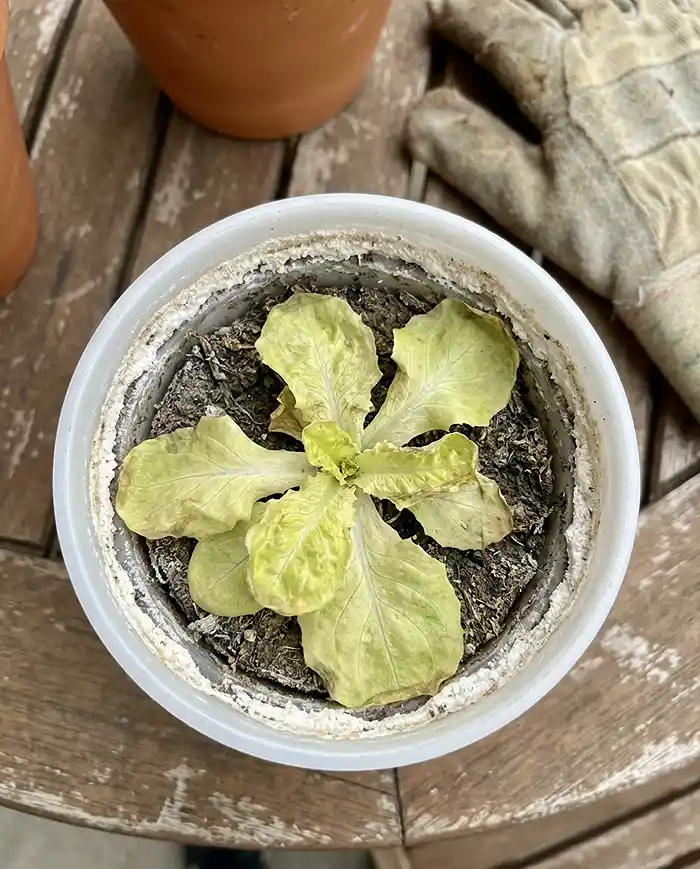
The Leaching Effect (a.k.a. Where Your Fertilizer Actually Goes)
Here’s a fun, slightly depressing fact: every time you water a pot, nutrients pour out the drainage holes along with the water. Nitrogen and potassium are the worst offenders — they dissolve fast and bail at the first opportunity.
In summer, when you’re watering daily (or twice daily during heatwaves), this gets worse fast. A pot that was perfectly fed two weeks ago can quietly become a starvation zone.
Watch for these telltale leaching clues:
- Pale or yellow lower leaves
- Stunted new growth even though sunlight is fine
- A crusty white film on the pot rim
- Veggies that look okay but taste like cardboard
The Soil-less Media Reality Check
Modern potting mixes — peat, coco coir, perlite, bark — are designed for drainage and root structure, not nutrition. They contain almost zero nutrients straight out of the bag.
Real garden soil has a whole microbial city working behind the scenes, slowly releasing food. Container mix? No microbes, no buffer, no backup. According to the University of Maryland Extension, soilless mixes need regular fertilizing because they simply don’t hold nutrients the way garden soil does.
So yeah — you’re the entire delivery service. Sounds scary, but once you get the system down, it’s easy.
The 3-1-2 Science: Cracking the NPK Ratio Myth
Why “Plant-Specific” Fertilizers Are (Mostly) Marketing
Walk into any garden center and you’ll see “Tomato Food,” “Herb Food,” “Rose Food,” “Citrus Food” — each priced like it’s blessed by a botanical wizard. Spoiler: most plants absorb nutrients in roughly the same 3-1-2 NPK ratio (three parts nitrogen, one part phosphorus, two parts potassium).
The labels are clever marketing. One solid, balanced fertilizer at the right ratio handles almost everything you’re growing.
What N-P-K Actually Means
Those three numbers on every fertilizer bag? Here’s the cheat sheet:
- Nitrogen (N): Pushes leafy, green growth. The MVP for lettuce, kale, spinach, and herbs.
- Phosphorus (P): Builds roots and flowers. Crucial when transplanting or when blooms appear.
- Potassium (K): The toughness nutrient — better flavor, stronger stems, more disease resistance.
Recommended NPK Ratios by Crop Type
| Crop Type | Ideal NPK | Examples |
|---|---|---|
| Leafy greens | Higher N (e.g., 5-2-3) | Lettuce, kale, chard |
| Fruiting veggies | Balanced or higher K (e.g., 3-4-6) | Tomatoes, peppers, eggplant |
| Herbs | Moderate N (e.g., 4-2-3) | Basil, parsley, cilantro |
| Indoor foliage | 3-1-2 baseline | Pothos, philodendron, monstera |
Slow-Release vs. Liquid Fertilizer: The Real Strategy
Honestly, the slow-release vs. liquid fertilizer debate isn’t even a debate — smart gardeners use both. Here’s why.
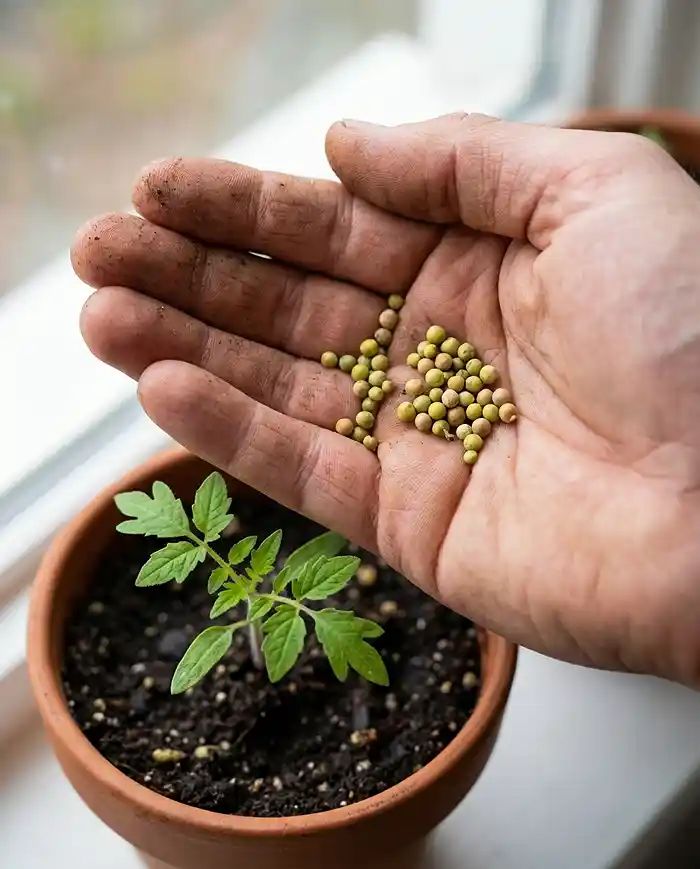
Granular / Slow-Release Fertilizers
Those little coated pellets (Osmocote-style) feed plants gradually for 60–120 days as moisture and warmth break them down. Mix them into your soil at planting and you’ve got a steady, low-effort food supply. Think of it as a slow IV drip.
Liquid Fertilizers
Liquid feeds — fish emulsion, seaweed, or synthetic concentrates — get absorbed within hours. They’re your go-to when a plant needs a quick fix or an extra push during flowering and fruiting.
Quick Comparison
- Speed vs. longevity: Liquid acts in hours; granular lasts months.
- Control vs. convenience: Liquid lets you fine-tune; granular is set-and-forget.
- Risk: Liquid can overfeed if you get heavy-handed; granular can underfeed in heavy rain.
The pro move? Use them as a team.
The Two-Tiered Feeding System (Your 2026 Game Plan)
Phase 1 — Foundational Feeding (Slow-Release)
When you plant, mix slow-release granules right into the potting mix at the label rate. This sets a steady nutrient floor your plants can lean on for weeks.
Phase 2 — Liquid Feeding for Backup
Every 1–2 weeks during active growth, drench with diluted liquid fertilizer. This patches any leaching losses before they slow down growth.
Phase 3 — Foliar Feeding (Optional but Awesome)
Spraying diluted nutrients straight onto leaves bypasses the roots completely. It’s a lifesaver during heatwaves, drought, or post-transplant shock.
Quick tip: spray in the early morning or evening — midday sun + wet leaves = crispy disaster.
Organic vs. Synthetic: What Actually Matters
The Chemistry No One Mentions
Plants only absorb nutrients as inorganic ions. So whether your nitrogen comes from fish guts or a science lab, the plant uses the exact same molecule. Wild, right?
The real difference is how fast and how steadily those nutrients show up.
Organic Fertilizers
Compost, worm castings, fish emulsion, bone meal — these release slowly via soil microbes, improve structure, and almost never burn plants. Downside: results are slower, and nutrient content per pound is lower.
Synthetic Fertilizers
Synthetics deliver nutrients instantly in precise ratios. For containers, where soil biology is limited anyway, they’re often more efficient and easier to dial in.
Cost & Efficiency
A high-analysis synthetic like 10-20-10 packs twice the nutrients per pound as a 5-10-5. For container growing, that’s usually better bang for your buck.
My honest take? Build a synthetic backbone, then sprinkle in compost or worm castings for soil health. Best of both worlds.
2026 Gardening Trends Changing How We Fertilize
The biggest 2026 gardening trends aren’t just aesthetic — they’re rewriting feeding rules.
Peat-Free & Sustainable Mixes
Coco coir, wood fiber, and bark blends are taking over. Once properly charged, they often hold nutrients better than peat, meaning fewer feedings.
Low-Input Gardening
Less fertilizer, smarter delivery — drip lines, fertigation, better timing. Gardeners are doing more with less, and the planet’s happier for it.
Purpose-Driven Planting
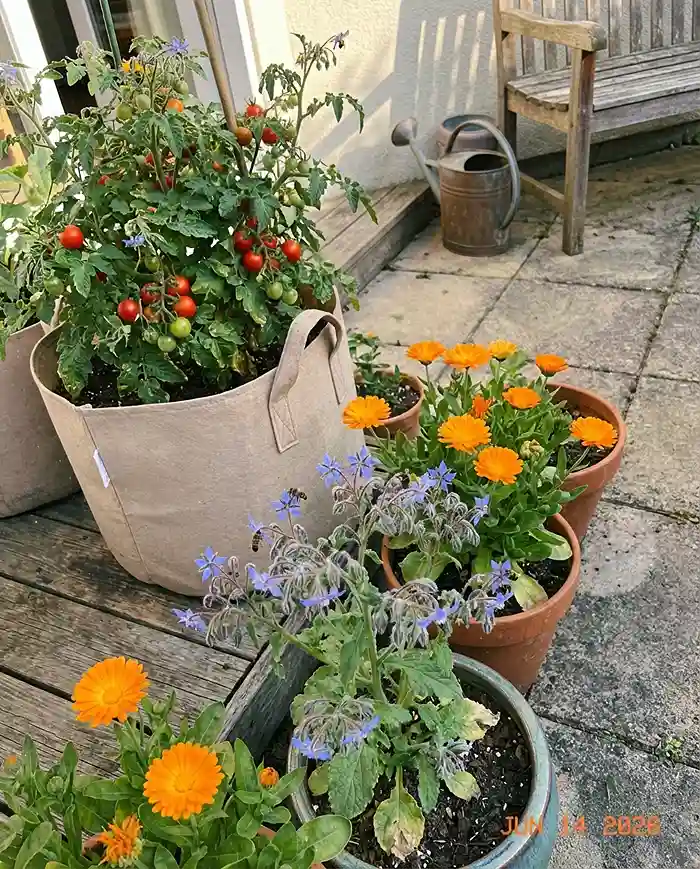
Edible + pollinator combos (tomatoes with calendula, peppers with borage) are dominating 2026 patios. Dual-purpose plantings need balanced feeding for both fruiting crops and constant blooms.
Color-Driven Gardening
Jewel tones and soft pastels are huge this year. Potassium and micronutrients (magnesium, iron, manganese) directly affect flower pigment — a small K boost during bloom = noticeably richer color.
Troubleshooting & DIY Nutrient Hacks
Reading Your Plant’s Cry for Help
- Yellow older leaves: Nitrogen deficiency
- Purple or reddish stems/leaves: Phosphorus deficiency
- Weak flavor, brown leaf edges, sad fruit: Potassium deficiency
- Yellow between green veins: Iron or magnesium deficiency
Safe DIY Fertilizer Options
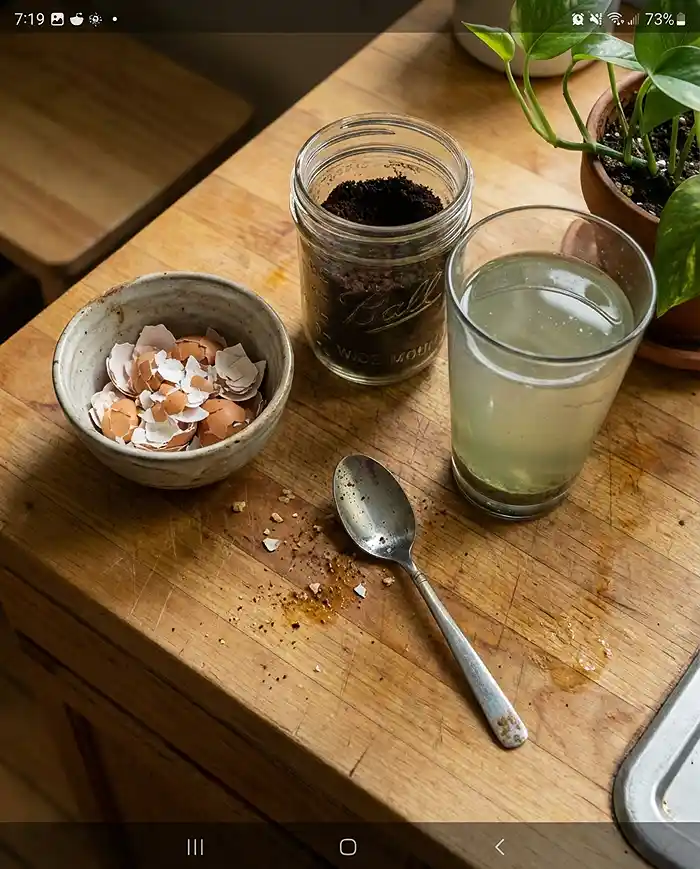
Used coffee grounds give a mild nitrogen lift (great for blueberries and tomatoes). Crushed eggshells slowly release calcium, which helps prevent blossom end rot. Old freshwater aquarium water? Liquid gold for nitrogen and beneficial microbes — your tomatoes will love you.
These are great supplements, not replacements for a real feeding plan.
Avoiding Root Burn & Salt Build-Up
Three rules that’ll save your plants:
- Never fertilize bone-dry soil — water first, then feed.
- Flush pots monthly with plain water until it runs out the bottom.
- When in doubt, dilute. Half-strength twice beats full-strength once, every time.
Best Fertilizer Strategy for Container Vegetables (TL;DR)
Quick recap of the best fertilizers for container vegetables approach:
- Mix slow-release granules into your soil at planting.
- Liquid feed every 1–2 weeks during active growth.
- Aim for a 3-1-2 NPK baseline.
- Boost nitrogen for greens, potassium for fruiting crops.
- Mix organic and synthetic for fast wins and long-term soil health.
Frequently Asked Questions
How often should I fertilize container vegetables?
Slow-release at planting, then liquid feed every 1–2 weeks during the growing season.
Can I use lawn fertilizer in containers?
Hard no. It’s overloaded with nitrogen and often laced with herbicides — bad news for veggies and pretty much everything else.
What’s the best NPK ratio for indoor plants?
A 3-1-2 ratio (like 9-3-6 or 24-8-16 diluted) handles almost every houseplant beautifully.
Why are my plant leaves turning yellow?
Usually nitrogen deficiency or overwatering. Check soil moisture first — if it’s soggy, fix drainage before reaching for fertilizer.
Container gardening rewards consistency way more than perfection. Set up a simple two-tier feeding system, watch your plants for clues, and tweak as you go. Do that, and your tomatoes, herbs, and houseplants will reward you with the best season yet — possibly with bragging rights at the next neighborhood barbecue.