

Fall Small-Space Garden Tasks
Master fall small-space garden tasks with our Keep, Pull & Replant checklist. Save dying plants, boost soil & harvest into winter. Start your plan today →
Why? Because right now your soil is still warm from summer, but the air is cooling down. That magical combo is perfect for root establishment, knocking back diseases, and sneaking in a whole new round of crops. Gardeners call this window “High-Intensity Urban Production” — a fancy way of saying every single inch of your tiny plot needs to pull its weight, even in October.
That’s exactly why I use the Keep, Pull, Replant framework. It’s not a chore list. It’s a walk-through-your-garden-once decision system. You look at each plant, decide its fate, and move on. No overthinking. No weekend wasted.
If you’re newer to small-space growing and want a month-by-month game plan, start with this Small-Space Gardening Monthly Maintenance Calendar for Beginners — it pairs perfectly with what we’re covering here.
Let’s get into it.
Table of Contents
The “Pull” Protocol: Fall Small-Space Garden Tasks Start With Letting Go
I know, I know. Ripping out plants you spent months nurturing feels brutal. But trust me — this is where your garden’s next chapter actually begins.
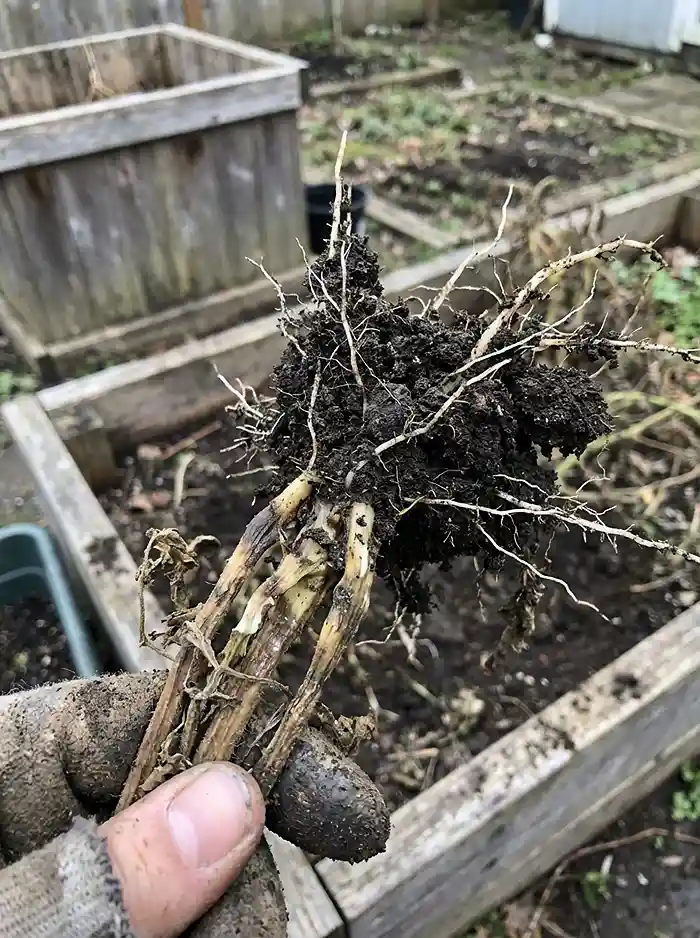
Removing Spent Annuals (And Why the Trash Can Is Your Friend)
Walk your beds. You already know what’s done: those blackened tomato vines you’ve been ignoring, the lettuce that bolted to the sky, the squash leaves that look like they’ve been through a paper shredder.
Here’s the part people mess up. Not all dead plant material is created equal:
- Healthy-looking biomass (no weird spots, no fuzzy mildew, no funky smell) — chop it up and toss it in the compost.
- Anything diseased (powdery mildew, blight spots, slimy rot) — bag it and throw it in the trash. Seriously. Your compost bin isn’t hot enough to kill those pathogens, and they will absolutely come back to haunt you next spring.
One more thing: pull the entire root system of heavy feeders like tomatoes and peppers. Those roots can harbor soil-borne nasties that’ll be waiting like unwelcome houseguests for next year’s seedlings.
The Legume Exception (Your Beans Did You a Favor)
Here’s a fun little garden hack. Peas and beans are the one group you don’t yank out completely.
Use the chop-and-drop method: snip the stems right at soil level and leave the roots where they are. Those little nodules on legume roots? They’re packed with nitrogen-fixing bacteria that’ll keep feeding your soil health all winter long. It’s basically free fertilizer, and your next crop will thank you for it.
Just clear the above-ground debris so you’ve got open space for fall planting. The roots do their magic invisibly below.
Weed Patrol: Small But Mighty Problems
I cannot stress this enough — in a small bed, one single weed that goes to seed can haunt you for years. It’s like letting one ant find the picnic.
Check the spots weeds love to sneak into: cracks between raised beds, the base of trellises, container rims, anywhere your mulch has thinned out. Pull every last one.
And here’s the upside: every cleared weed spot is now a micro-site — a little pocket of prime real estate perfect for tucking in spring bulbs or scattering cover crop seed.
The “Keep” Mandate: Fall Small-Space Garden Tasks That Mean Doing… Nothing
This is my favorite part, because it’s the rare gardening advice that tells you to leave things alone.
Architectural Interest and Winter Forage
Some plants look better dead than alive. I mean that as a compliment. These are your winter “keepers”:
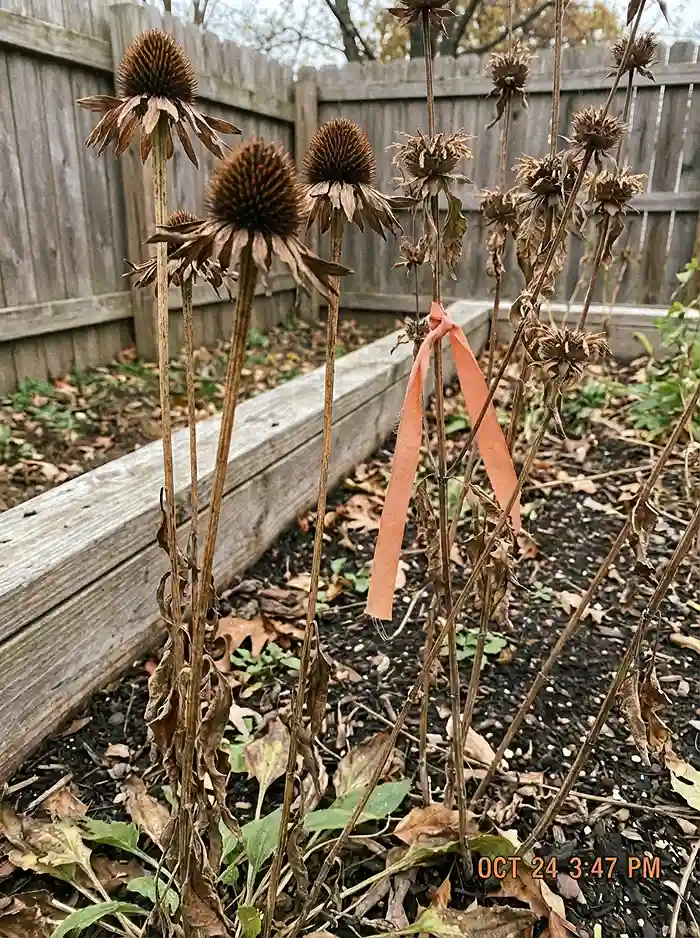
- Echinacea seed heads — goldfinches treat them like a buffet all winter.
- Ornamental grasses — those structural plumes look absolutely gorgeous dusted with frost.
- Sedum — a reliable visual anchor when everything else has checked out for the season.
In a small space especially, these standing plants prevent your garden from turning into a sad, bare dirt rectangle for five straight months. They earn their rent.
Creating Insect Habitats (Yes, on Purpose)
Leave the healthy, hollow stems of bee balm, Joe Pye weed, and similar perennials standing until spring. Don’t touch them.
Here’s why: native mason bees, ladybugs, and beneficial wasps actually overwinter inside those stems. Cutting them now is like demolishing an apartment building full of tenants — tenants who happen to pollinate your food and eat your pests.
Quick tip: Tie a little ribbon around these stems so you don’t accidentally clear them during a random winter tidy-up. Future-you will appreciate it.
Protecting Woody Perennials
Your woody plants don’t need a haircut right now. They need a winter coat:
- Roses: Mound 8–10 inches of soil or compost around the base — but only after the first hard frost. Do it too early and you’ll trap moisture, which is basically rolling out the red carpet for rot.
- Bigleaf Hydrangea: Next year’s blooms are already set on the old wood. Wrap with burlap, or cage with chicken wire and stuff it with dry leaves. It looks silly. It works.
- Lavender and Rosemary: Skip the pruning. The existing woody growth insulates the crown. Cutting it now is one of the fastest ways to lose these plants over winter.
The “Replant” Directive: Cool-Season Fall Small-Space Garden Tasks That Keep You Eating
This is where cool-season vegetable gardening turns fall from a funeral into a party.
Autumn Superstars: Cool-Season Greens
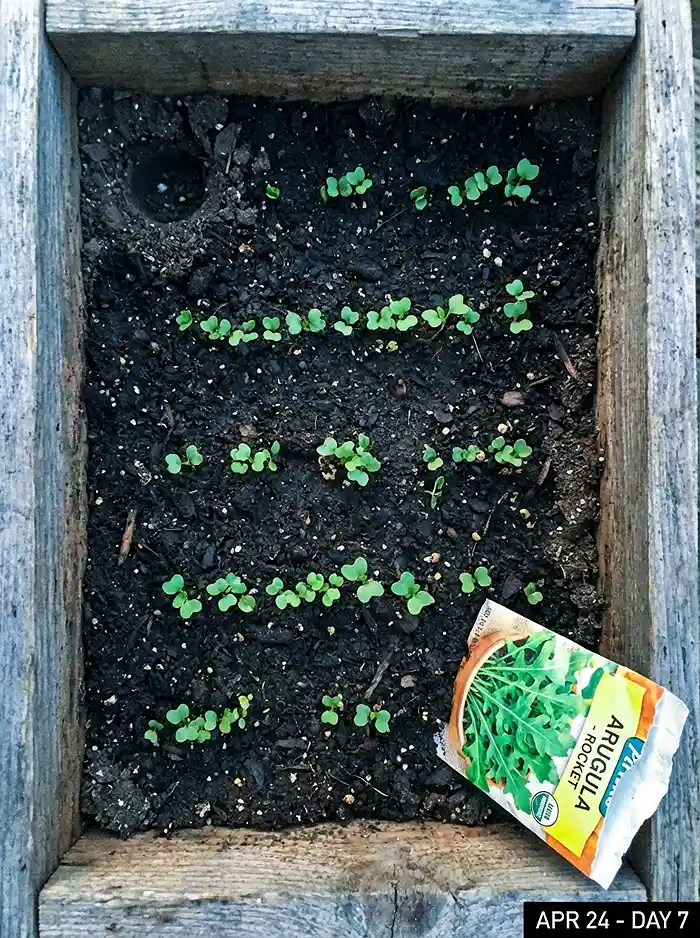
These fast crops reach maturity in just 30–50 days, which means you can still get a full harvest before winter locks things down:
- Kale
- Arugula
- Mizuna
- Spinach
- Mustard greens
Direct-sow them into the exact spots you just cleared from spent summer plants. Zero downtime. Zero wasted space. That’s the beauty of the Keep, Pull, Replant system in action.
Want to stretch the harvest even further? A lightweight row cover or a basic cold frame can buy you 3–4 extra weeks. According to The Old Farmer’s Almanac fall planting guide, timing your sowing to your first frost date is the key to getting these crops to maturity before the real cold sets in.
Root Crops and Alliums
Danvers carrots are perfect for deep containers (12 inches minimum). Sow them now and here’s the fun part — cold temperatures actually sweeten them by converting starches to sugars. Winter carrots taste better. That’s not an opinion; that’s chemistry.
Garlic has a non-negotiable October planting window. One clove every 4–6 inches, pointy end up, then mulch like you mean it. Garlic roots through fall, sleeps through winter, and absolutely takes off in spring.
Radishes are the ultimate gap filler — ready in about 25 days, which makes them perfect for interplanting between slower crops like carrots and garlic. Think of them as the opening act while the headliners get ready.
Bulb Planting: Spring Payoff Starts Now
For small gardens, use the 3/4 rule: plant bulbs at three-quarters of the recommended spacing on the package. Tight planting equals maximum spring wow-factor from a minimal footprint.
In containers and narrow beds, try layering bulbs at different depths — tulips deep, daffodils in the middle, crocus near the top. You’ll get waves of bloom from a single pot.
Pair those bulbs with perennials, too. When the perennial foliage fills in late spring, it hides the dying bulb leaves. It’s a neat little trick that keeps a tiny space looking tidy instead of ratty.
Space Magic: Infrastructure and Fall Small-Space Garden Tasks for Winter Prep
Your garden’s bones — the trellises, containers, and irrigation — need attention now, not in April when something cracks.
Vertical Evaluation
Inspect every trellis, espalier wire, and wall planter for damage. A full season of heavy cucumber vines or pole beans puts real stress on hardware.
Cut down all spent vines to restore light for low-growing fall crops below. In a tight footprint, one overgrown trellis can shade an entire bed. Also, ask yourself honestly: does this structure still serve next year’s plan, or should it move?
Winterizing Containers and Irrigation
Proper care now prevents expensive replacements in spring — this is core winterizing raised beds and container territory:
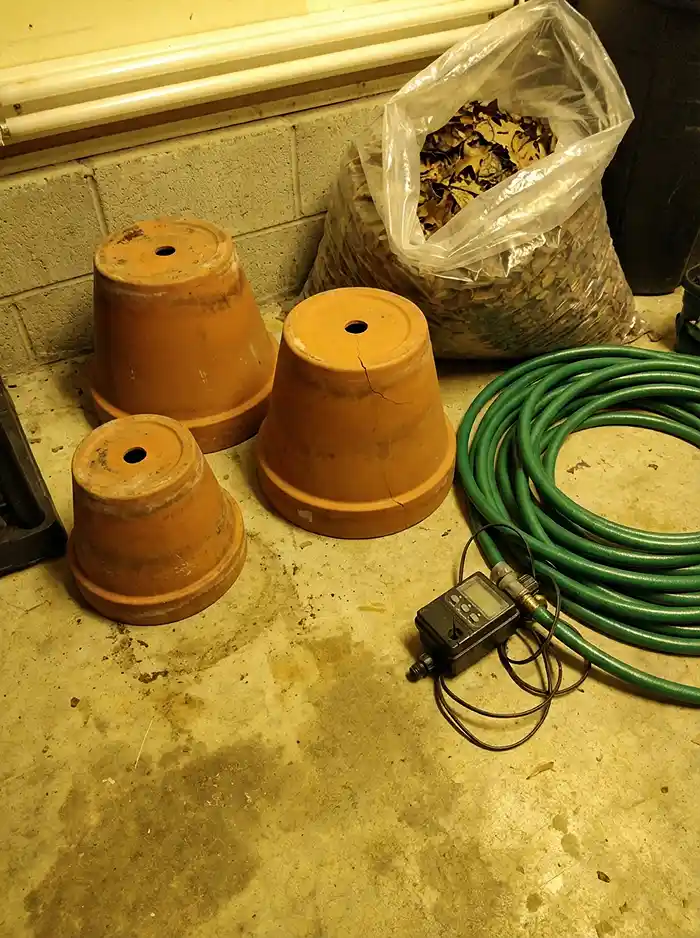
- Terra-cotta pots: Store upside down indoors or in a sheltered spot. Trapped water plus one freeze equals a cracked pot. Every single time.
- Plastic pots with perennials: Group them together against a south-facing wall for thermal mass protection.
- Drip irrigation: Drain every line and timer completely. Disconnect hose connections. One ice expansion event can crack an entire system, and you won’t know until spring when you turn it on and get a fountain where you didn’t want one.
The Thermal Layer: Free Mulch Season
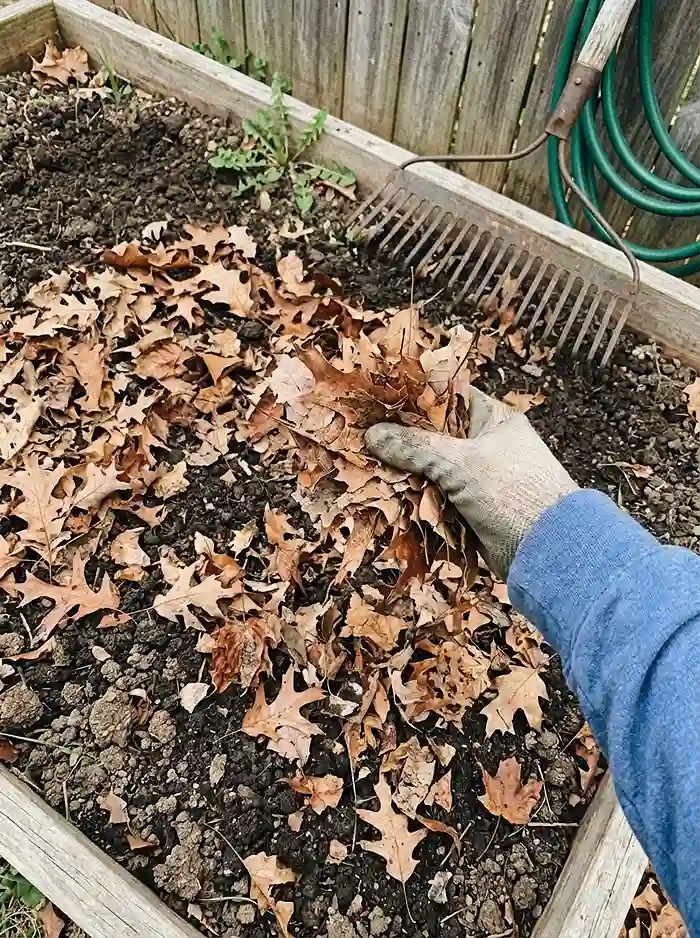
Spread 3–4 inches of shredded fall leaves over your beds. Shredded — not whole. Whole leaves mat together, trap moisture, and suffocate roots. A quick pass with the lawn mower does the trick.
This thermal blanket insulates soil temperature, prevents root heaving during freeze-thaw cycles, and feeds soil biology as it breaks down over winter.
It’s free. It’s everywhere in October. And it’s honestly the single highest-ROI fall small-space garden task you can do. Rake, shred, spread, done.
FAQs: Your Fall Small-Space Garden Tasks Questions, Answered
Should I cut back my perennials in the fall?
Most perennials can be trimmed to 3–4 inches once their foliage dies back naturally. But leave evergreen perennials like Heuchera completely alone, and don’t cut woody-stemmed plants like lavender — that old growth is what protects the crown from winter kill.
What do I do with plants still sitting in nursery pots?
Heel them in. Dig a shallow trench in an empty veggie bed, lay the pots on their sides, and cover the root zone with soil. If the ground’s already frozen, bury the pots in a thick pile of dry leaves instead. You’re not planting — you’re insulating.
Can I use eggshells in my fall soil prep?
Absolutely. Wash, dry, and crush them as fine as you can (powder is ideal), then work them into the top few inches of soil near your replant crops. They provide a slow-release calcium boost that’s especially helpful for preventing blossom end rot in next year’s tomatoes.
Wrapping Up: Fall Work Is Spring Work in Disguise
Here’s the move. Walk your garden one time this weekend. Touch every plant. Assign it a category — Keep, Pull, or Replant — and act on it. That’s the whole system.
Before you put the tools down, spend 10 minutes on a Garden Evaluation. Grab your phone or a notebook and jot down what produced well, what flopped, what you’ll never grow again, and what earned a permanent spot. Do it now, while the season is fresh. By March, I promise you’ll have forgotten half of it.
Fall small-space garden tasks aren’t cleanup duty. They’re the opening act of next year’s growing season. Every weed you pull, every bulb you tuck in, every stem you deliberately leave standing — it all compounds through winter and pays off the moment spring arrives.
Your tiny garden isn’t a limitation. Managed well right now, it’s a head start.