

Cold Tolerant Herbs for Pots
Cold tolerant herbs for pots don’t just survive chilly weather — the right ones thrive in it. When your balcony drops below 60°F, a handful of tough, flavor-packed herbs actually hit their stride.
Table of Contents
Extending the Harvest: Growing Herbs Below 60 Degrees
I grow herbs on a north-facing balcony in zone 6b, and every autumn I used to panic-harvest everything before the first frost. That changed the year I left my thyme and parsley out through a string of 45°F nights — and came back to find them bushier than ever.
Sub-60°F weather isn’t a death sentence for your container herb garden. It’s actually a gift. Pest pressure drops to almost nothing, bolting slows way down, and the cold concentrates essential oils in Mediterranean herbs, making rosemary and sage taste noticeably more intense.
The trick is knowing which herbs belong outside and which ones you need to pull in. Get that right, and your small balcony garden can produce fresh flavors well into December — sometimes beyond.
Assessing Your Balcony’s Cool-Weather Microclimate
Before you rearrange a single pot, spend a few days watching how your balcony behaves in autumn. Sun angles shift dramatically after the equinox, and wind patterns that were harmless in July can turn lethal to foliage by November.
This audit takes 20 minutes and saves you from watching a pot of chervil die because you put it in the wrong corner.
Measuring Autumn and Winter Sun Trajectories
The sun sits roughly 30 degrees lower in the sky by late November in most of the northern U.S. That means shade from a railing or neighboring building that never bothered you in June can now block light for most of the day.
Go outside at 10 a.m. and again at 2 p.m. on a clear autumn day. Mark where full sun actually lands. In my zone 6b setup, I had to shift every container about four feet south to capture usable light by mid-October.
Prioritize your sunniest, most exposed corner — even if it’s cramped. Cluster your cold-hardy herb pots there. Cool-season growth is already slower; light deprivation makes it negligible.
Defending Against High-Rise Wind Chill
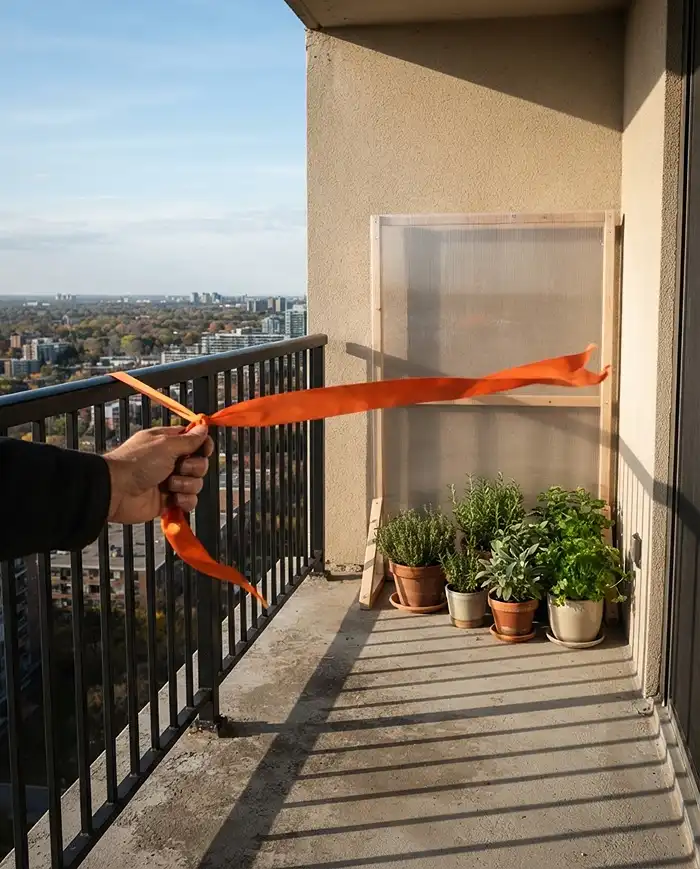
Wind is the silent killer of balcony herb gardens. A 25 mph gust at 40°F feels closer to 28°F to plant tissue — well below the frost threshold for many herbs.
Walk your balcony on a windy day and feel where the gusts funnel. On high-rise balconies especially, cold air gets compressed between buildings and accelerates. That corner that feels fine in summer can become a wind tunnel by December.
Solid balcony walls deflect better than railings. If your railing is open, a piece of clear polycarbonate sheeting or a bamboo screen reduces wind chill significantly without blocking light. Move pots within 12 inches of a solid wall whenever temperatures threaten to drop hard.
Top Cold-Tolerant Herbs for Chilly Containers
Not every herb belongs outside when temperatures dip into the 40s and 50s. These are the ones that genuinely prefer it — and will reward you with steady harvests through the cool season.
| Herb | Active Growth Range | Frost Tolerance | USDA Zones (Outdoor Overwintering) |
|---|---|---|---|
| Rosemary (Arp) | 45–65°F | To 10°F (variety-dependent) | 7–11 |
| Thyme (English) | 40–65°F | To 0°F | 5–9 |
| Sage (Berggarten) | 45–65°F | To 10°F | 5–8 |
| Flat-leaf Parsley | 50–65°F | To 20°F | 5–9 |
| Cilantro (Slow-bolt) | 50–65°F | To 28°F (brief) | Annual — reseed |
| Chervil | 45–60°F | To 25°F | Annual — reseed |
| Chives | 40–65°F | To -20°F (roots) | 3–9 |
| Peppermint | 45–65°F | To -20°F (roots) | 3–8 |
Frost-Resistant Woody Perennials: Rosemary, Thyme, and Sage
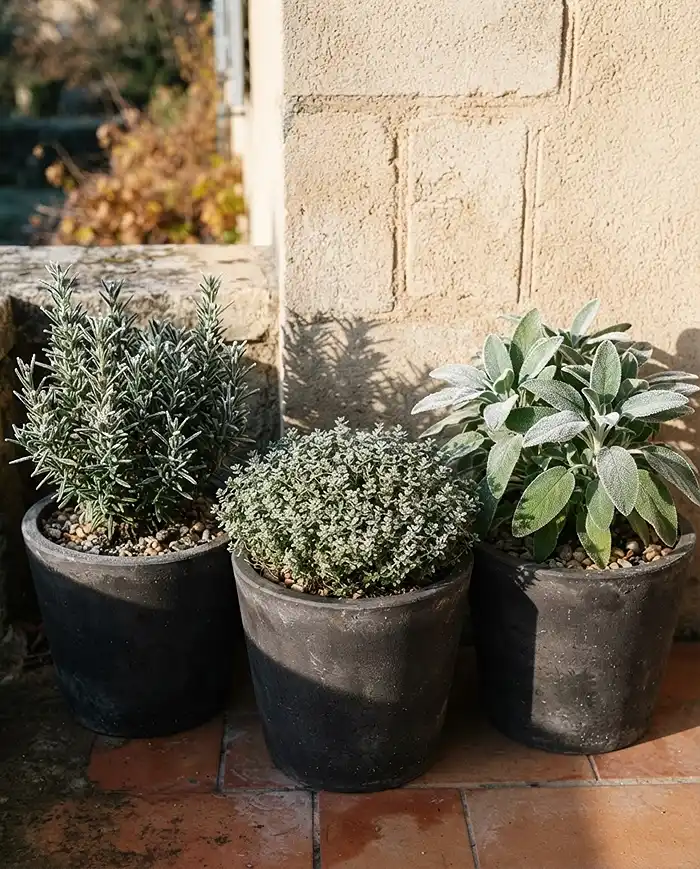
These three are the backbone of any cool-season container herb garden. Their leaves are thick, resinous, and essentially built for cold — the volatile oils that give them flavor also act as a natural antifreeze.
Thyme ‘English’ handles down to 0°F with no protection. Sage ‘Berggarten’ takes light frost easily and actually tastes better after a cold snap — I noticed this first in October 2022 when a hard 29°F night left my pot completely unphased.
Rosemary needs more attention. The cultivar matters enormously: ‘Arp’ and ‘Hill Hardy’ survive zone 7 winters, but standard supermarket rosemary will blacken below 20°F. Keep rosemary against a south-facing wall and it’ll push new growth right through November.
For herb garden ideas that include winter interest, these three woody perennials also look good in containers — not just functional, but genuinely attractive on a cold-weather balcony.
Cool-Season Leafy Greens: Cilantro, Parsley, and Chervil
Here’s something most summer gardeners miss: cilantro, flat-leaf parsley, and chervil are biologically programmed to thrive in cool weather. They bolt immediately in summer heat but stay lush and productive from October through December.
I planted a pot of ‘Calypso’ slow-bolt cilantro in late September last year. It sat through three weeks of 48°F nights and produced more leaf than my entire summer crop combined. No bolting, no bitterness.
Flat-leaf parsley (‘Italian Giant’ is my go-to) tolerates down to 20°F with brief dips. Chervil is the most cold-hardy of the three — it reseeds itself and will sprout again in early spring without any help.
These are also solid choices for a mixed herb pot combination since their water needs align well with each other in cool weather.
Hardy Die-Hards: Chives and Mint Family Members
Chives are essentially unkillable in containers through zone 3. They’ll keep producing snippable greens until a hard freeze forces them dormant — and even then, the roots survive and return in spring.
Peppermint behaves similarly. The top growth dies back below 20°F, but the roots in a protected pot stay alive through zone 4 winters. I lost the top growth on my peppermint pot two winters ago during a brutal January cold snap, but it was pushing new shoots by mid-March.
Both are excellent additions to a pollinator container garden — mint especially attracts beneficial insects on warmer autumn days when pollinators are still active.
Essential Gear for Cold-Weather Container Gardening
Summer gardening gear doesn’t cut it below 60°F. The single biggest mistake I see balcony gardeners make in autumn is leaving herbs in the same pots and soil they used all summer — and then wondering why roots rot or freeze.
Two upgrades make the biggest difference: what your pot is made of, and what’s inside it.
Insulated Planters to Prevent Root Freeze
Unglazed terracotta is beautiful but genuinely dangerous in cold, wet weather. It’s porous — it absorbs water, freezes, expands, and cracks. I’ve lost four terracotta pots this way, including a large one I’d had for six years.
Switch to thick-walled double-walled resin or fiberglass planters for autumn. They insulate the root zone from rapid temperature swings and don’t absorb moisture. Dark-colored pots also absorb solar heat during the day, releasing it slowly overnight.
Minimum wall thickness: 3/4 inch for meaningful insulation. For zone 6 and colder, wrap the exterior of even resin pots with burlap or bubble wrap during the hardest cold snaps.
Fast-Draining Soil Mixes for Dormant Roots
Standard potting mix retains too much moisture for cool-weather container growing. Evaporation slows dramatically below 55°F, so soil that drains perfectly in July becomes waterlogged by November.
My fall soil recipe: 70% premium potting mix + 30% perlite or pumice. That ratio keeps roots oxygenated even when you’ve accidentally overwatered — which happens more in autumn because it’s harder to gauge soil moisture in cold, damp air.
For woody herbs like rosemary and thyme, you can push it to 40% perlite. They evolved in fast-draining Mediterranean hillsides and actively prefer lean, arid soil conditions.
Step-by-Step Guide to Planting a Cool-Season Herb Garden
Timing matters: get transplants in the ground six weeks before your first expected frost. That gives roots time to establish before growth slows.
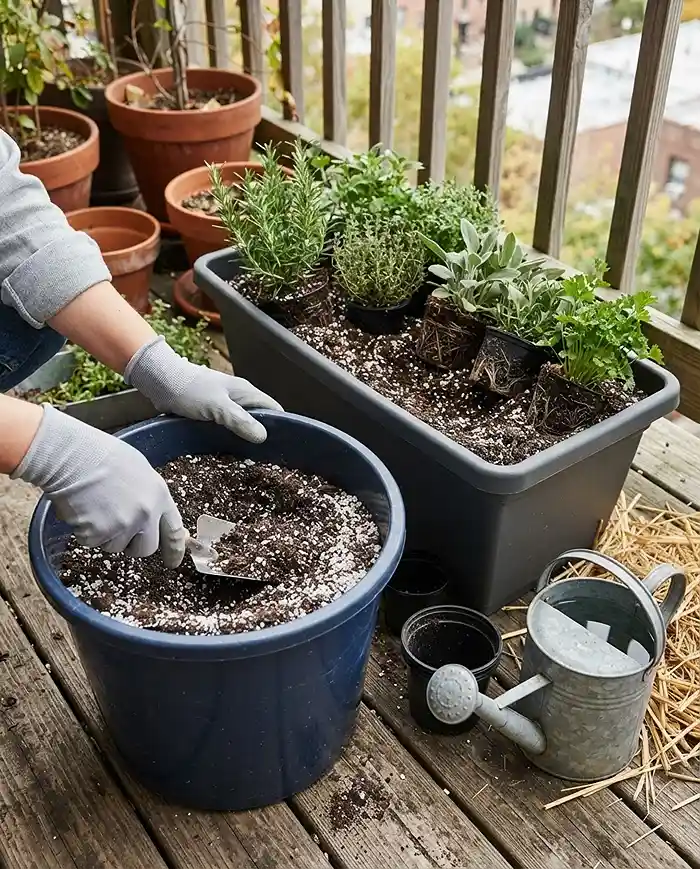
- Mix your soil: Combine potting mix and perlite in a 70/30 ratio in a bucket before filling your planter.
- Pack transplants tightly: Cool-season growth is slow, so plant closer than you would in summer — 4 to 5 inches between herb transplants instead of the usual 8 to 10.
- Water with tepid water: Cold tap water shocks roots in autumn. Use room-temperature or slightly warm water for the initial soak-in after planting.
- Apply straw mulch: A 2-inch layer of straw on top of the soil insulates roots and slows moisture loss during cold, dry winds.
- Position the pot: Place it in your sunniest protected corner, against a solid wall, before temperatures consistently drop below 45°F at night.
Adjusting Maintenance for Temperatures Below 60 Degrees
Plants below 60°F are running in slow motion metabolically. Their water and nutrient needs drop significantly, and the routines that kept them thriving in July will kill them by November if you don’t adjust.
Modifying Watering Schedules for Slow Evaporation
Ditch your summer schedule entirely. In cool weather, most container herbs need water only every 7 to 10 days — sometimes less if it’s been rainy.
Use the finger test every time: push your index finger 2 inches into the soil. If it feels damp at all, don’t water. If it’s dry at 2 inches, water thoroughly but at the base only — wet foliage in cold air invites mildew.
Timing also matters: water on mild mornings, never in the evening. Soil that’s wet going into a cold night is a root rot setup. The fundamentals of balcony herb care apply here, just with the dial turned way down.
Using Cloches and Horticultural Fleece for Frost Protection
When the forecast shows a dip below 35°F overnight, you have two reliable options. Both work; which you use depends on the size of your pots.
- Glass or plastic cloches: Ideal for individual small pots. An inverted glass cloche traps heat radiating from the soil and can protect plants to 28°F for a single night.
- Horticultural fleece: Drape a single layer over larger containers or a cluster of pots. It buffers temperature by 4 to 6 degrees and allows moisture to pass through. Remove it by mid-morning so plants get light.
- Combination method: For predicted dips below 28°F, use fleece over the entire pot cluster and add individual cloches on your most vulnerable plants (cilantro, chervil).
The American Society for Horticultural Science has published research on how microclimate manipulation affects container plant survival, confirming that even simple physical barriers significantly extend the viable growing window in cold climates.
Common Problems and Solutions
Cool-weather container growing has two main failure modes: too much moisture and too little airflow. Both are preventable once you know what to look for.
Root Rot in Freezing, Saturated Soil
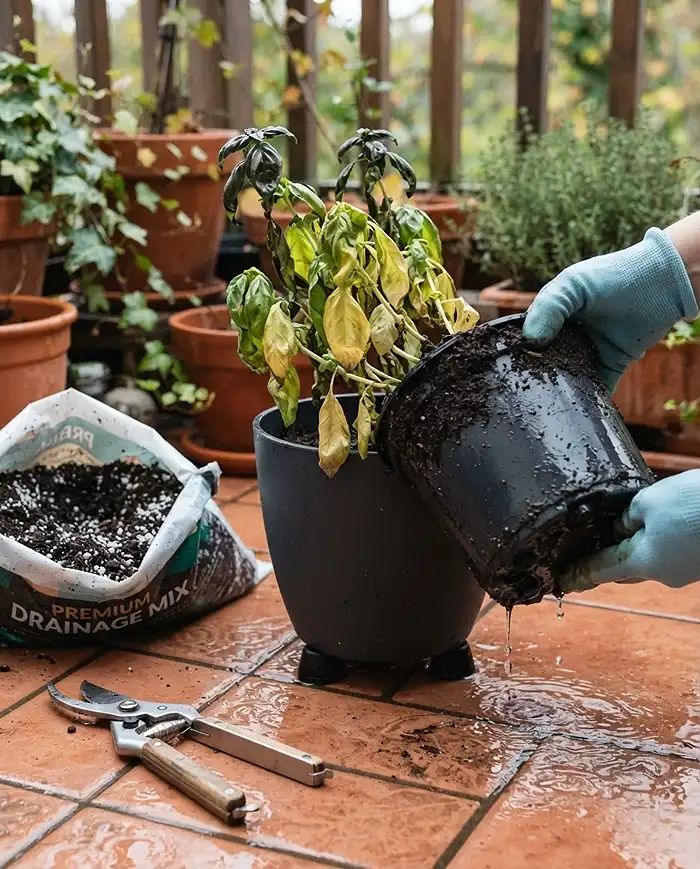
Root rot is the number one killer of balcony herbs in autumn. The symptom is counterintuitive: leaves turn yellow and limp even though the soil is obviously wet. Most gardeners water more. That’s the wrong move.
If you see yellowing on a pot that feels heavy and damp, immediately elevate it on rubber pot feet (1 to 2 inches off the ground) to allow bottom drainage and airflow. Stop watering entirely for 10 to 14 days.
In bad cases, unpot the plant, shake off saturated soil, trim any blackened or mushy roots with clean scissors, repot in fresh 70/30 mix, and keep it dry and sheltered until it stabilizes.
Powdery Mildew in Damp, Stagnant Air
Cool temperatures plus low air movement plus autumn rain is the perfect formula for powdery mildew. It shows up as a white, dusty coating on leaves — especially on sage and mint.
First response: remove any heavily affected leaves immediately and thin out the interior of the plant to open up airflow. Don’t compost affected leaves; bin them.
For organic treatment, mix 1 tablespoon of potassium bicarbonate with 1 gallon of water and spray affected foliage on a dry morning. It disrupts the mildew’s cell membrane without harming the plant. Repeat every 7 days until clear.
Frequently Asked Questions
Will my basil survive if temperatures drop below 60 degrees?
No. Sweet basil suffers acute cellular damage the moment temperatures consistently drop below 55°F to 60°F. Leaves turn black, then drop. If a cold snap is forecast, harvest everything you can and bring the pot indoors immediately. Basil is a tropical herb and cannot tolerate cold — it’s one of the few you should never leave outside past mid-September in zone 7 and colder.
Should I fertilize my balcony herbs during the cool season?
No. Stop fertilizing entirely once temperatures drop below 60°F. Fast-acting, high-nitrogen fertilizers push soft, watery new growth that is highly vulnerable to frost damage. Resume feeding with a diluted balanced fertilizer only when consistent daytime temperatures return above 55°F in spring.
Can I overwinter potted herbs outdoors in freezing zones?
Hardy herbs like sage and thyme tolerate light frosts, but their exposed container roots will freeze solid in USDA Zones 6 and below. Wrap pots in heavy burlap or move them into an unheated garage or shed for deep winter. The goal is to keep roots above 20°F without giving the plant enough warmth to break dormancy prematurely.
Which cold tolerant herbs for pots grow fastest in autumn?
Chives and flat-leaf parsley grow the fastest in 45°F to 60°F weather. Chives can be snipped within two weeks of new growth emerging. Parsley slows slightly below 50°F but stays productive. Cilantro planted in early autumn (while nights are still in the 50s) will produce heavily before hard frost arrives.
Do I need to repot herbs before moving them outside for autumn?
Only if they’re root-bound or in terracotta. If the roots are circling the pot or pressing through the drainage holes, move up one pot size and refresh the soil with a 70/30 potting mix and perlite blend. Swap any terracotta for resin or fiberglass before cold, wet weather sets in.
Key Takeaways
- The best cold tolerant herbs for pots — thyme, sage, rosemary ‘Arp’, flat-leaf parsley, chervil, chives, and peppermint — actively grow and produce below 60°F when given the right conditions.
- Audit your balcony’s autumn sun and wind patterns before repositioning pots; light and wind management matters more in cool weather than in summer.
- Swap terracotta for thick-walled resin planters and use a 70% potting mix / 30% perlite soil blend to prevent root rot in cold, slow-evaporating conditions.
- Cut watering to every 7 to 10 days using the 2-inch finger test, always water in the morning, and stop fertilizing entirely until spring.
- Use horticultural fleece or glass cloches when overnight temperatures threaten to drop below 35°F — and never leave basil outdoors once nights consistently hit the low 50s.