

Choosing the Right Pots for Window Herbs
The wrong pot kills more indoor herbs than bad watering ever will. Discover which material and size each herb actually needs to thrive. See the full guide →
Let’s be honest — most indoor herb gardens don’t die from neglect. They die from the wrong pot. You water faithfully, find the sunniest window, and still watch your basil turn yellow and flop over like it’s given up on life. Nine times out of ten, the container is the culprit.
Choosing the right pots for window herbs comes down to three things: the correct material, proper drainage, and enough depth for your herb’s root system to actually do its job. Get these right, and you’re halfway to a thriving kitchen garden. Get them wrong, and you’ll keep wondering why your parsley looks so miserable.
Whether you’re starting an indoor herb garden from scratch or finally upgrading those sad little grocery store pots, this guide walks you through everything — from pot materials to herb companion planting strategies — so you can confidently pick the best pots for indoor herbs without second-guessing yourself at the garden center.
Table of Contents
Why Pot Selection Is Critical for Window Herb Gardens
Here’s something nobody tells you when you buy that cute little herb kit: the pot matters more than the seed. Seriously. You can have the best soil, perfect sunlight, and a watering schedule that’d make a botanist proud — but if the container is wrong, none of it matters.
Pots Control the Entire Root Environment
Think of the pot as your herb’s apartment. Roots need three things from that apartment: space to stretch out, oxygen to breathe, and drainage so they’re not sitting in a puddle. When any one of those is off, your plant starts sending distress signals.
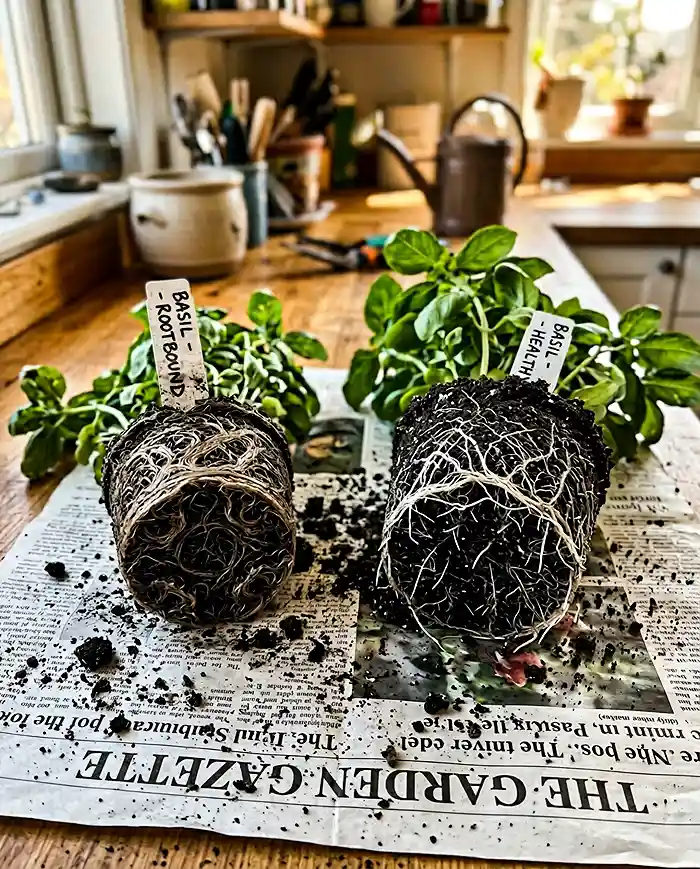
Too-small pots cause root binding — that’s when roots circle around and around the container until they’re basically strangling themselves. The result? Nutrient deficiency, stunted growth, and herbs that bolt prematurely or produce thin, flavorless leaves. Not exactly what you want tossing into your pasta.
Why Most Indoor Herb Gardens Fail
I’ll say it plainly: overwatering kills more indoor herbs than underwatering ever will. And most of the time, it’s not because people water too much — it’s because the pot traps water with nowhere to go.
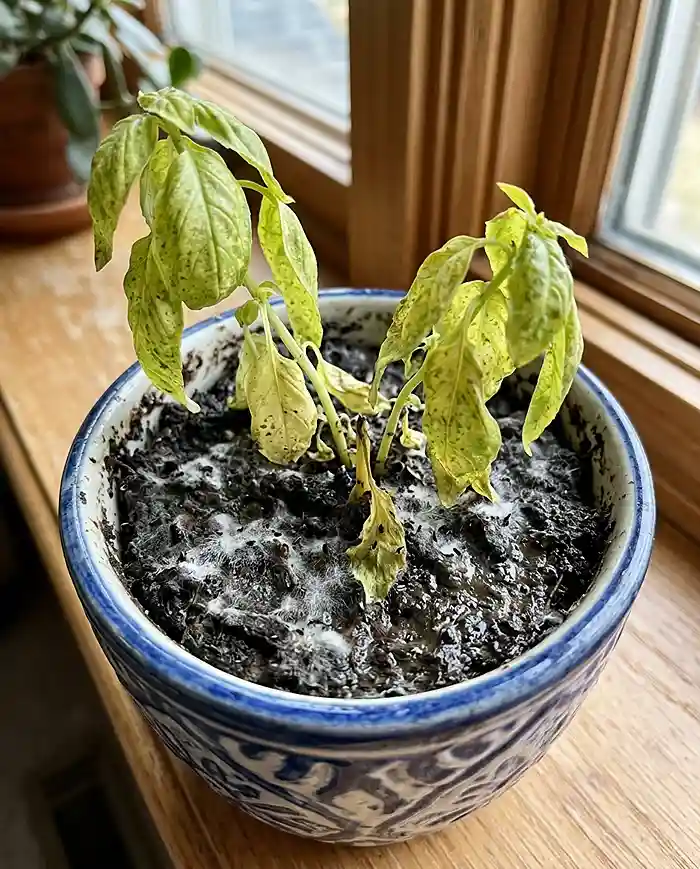
Containers without drainage holes turn into tiny swamps at the root zone. Roots can’t breathe, fungal diseases move in, and your once-perky basil turns to mush. Shallow containers make things worse by restricting root architecture so herbs can’t anchor properly or reach nutrients deeper in the soil.
If you’ve ever watched a healthy-looking herb wilt and yellow within weeks of bringing it home, I’d bet money the pot was to blame.
For a deeper dive into setting up your entire windowsill growing space, check out our complete guide on windowsill herb gardens — it covers light, positioning, and everything else beyond the pot itself.
Herb Root Architecture and Pot Depth Requirements
Here’s where choosing the right pots for window herbs gets interesting — not all herbs root the same way. Some send one big root straight down like a carrot. Others spread out sideways. And if you don’t match the pot depth to the root type, you’re setting your herb up to fail before it even gets started.
Deep Root Herbs (Taproot System)
Parsley, cilantro, and dill all grow a single dominant taproot that plunges straight down. Cram them into a shallow pot, and that taproot kinks, stunts, or circles — none of which is good news for your harvest.
Recommended pot depth: 10–12 inches minimum. Don’t skimp here.
Medium Root Herbs
Basil, chives, and oregano develop fibrous root systems that branch out in all directions. They’re less demanding than taproot herbs, but they still need decent room to spread.
Recommended pot depth: 8–10 inches.
Shallow Root Herbs
Thyme, mint, and marjoram keep their roots relatively close to the surface. These are the least fussy about depth and can do just fine in shorter containers.
Recommended pot depth: 6–8 inches.
Root Depth Reference Table
| Herb | Root Type | Recommended Pot Depth |
|---|---|---|
| Parsley | Taproot | 12 inches |
| Basil | Fibrous | 8–10 inches |
| Thyme | Shallow | 6–8 inches |
| Rosemary | Lateral roots | 10 inches |
| Mint | Rhizome spread | 8–10 inches |
Bookmark that table. It’ll save you a lot of guesswork when you’re choosing the right pots for window herbs at the store.
Plastic vs Terracotta Pots for Window Herbs
This is the great debate of indoor herb gardening, and honestly, the answer isn’t “one is better.” It’s “it depends on what you’re growing.” Let me break it down.
Terracotta Pots (Clay Containers)
Terracotta is the old reliable of the herb world, and it’s my personal go-to for anything Mediterranean. The porous clay walls let air and moisture pass through, which means roots get great oxygen exchange and excess water wicks away naturally.
Why you’d love them:
- The breathable walls make overwatering almost hard to do
- They create the dry, airy conditions Mediterranean herbs crave
- They look gorgeous on a windowsill (let’s be real, that matters)
Best herbs for terracotta: Rosemary, thyme, sage, and oregano — basically anything that’d be happy growing on a rocky hillside in Tuscany.
The catch: Soil dries out faster, so you’ll water more often. They’re also heavy, which matters if your window shelf isn’t exactly industrial-strength.
Plastic Pots
Don’t turn your nose up at plastic — for moisture-loving herbs, it’s actually the smarter choice. Plastic holds water significantly longer than terracotta, keeping soil consistently moist for herbs that prefer it that way.
Why they work:
- Retain moisture longer between waterings — great for forgetful waterers
- Lightweight enough to line up across any windowsill
- Cheap and available everywhere in every size imaginable
Best herbs for plastic pots: Basil, parsley, mint, and chives.
The catch: Less airflow reaches the roots, and if you’re a heavy-handed waterer, you can easily overdo it. When choosing the right pots for window herbs that love moisture, plastic wins — just go easy with the watering can.
Ceramic and Glazed Pots
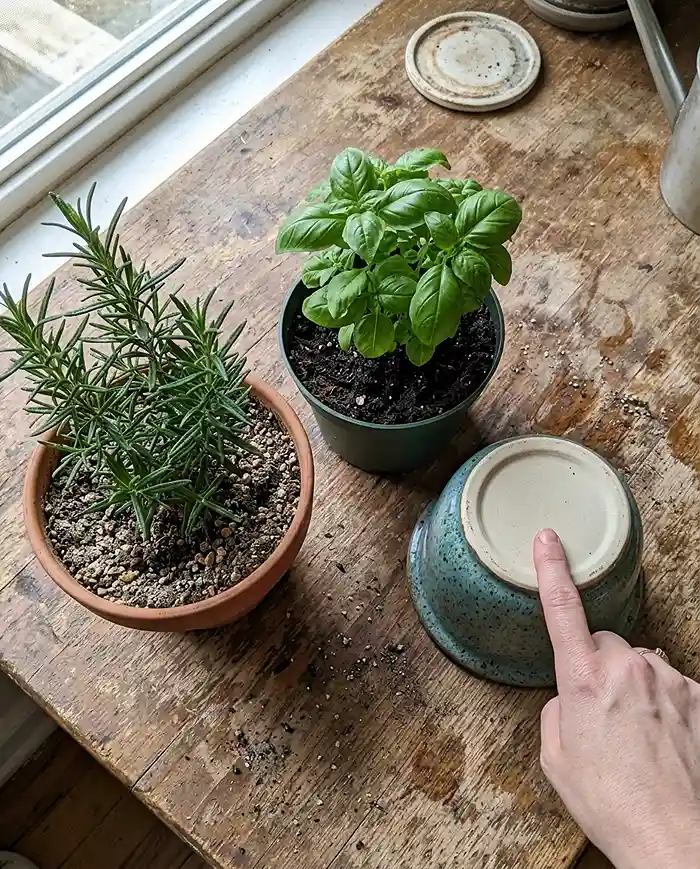
These split the difference — decorative, moderate moisture retention, and they look fantastic on a kitchen windowsill. The big problem? Many come without drainage holes. Always flip the pot over and check before buying. No holes, no deal (unless you own a drill and aren’t afraid to use it).
Fabric Pots (Air-Pruning Containers)
Fabric grow bags are the dark horse of indoor herb containers. When roots hit the breathable fabric wall, they naturally stop elongating and branch laterally instead — a process called air pruning. The result is a dense, healthy root system that absorbs nutrients more efficiently.
Why they’re worth trying:
- Completely prevent root circling
- Increase oxygen throughout the entire soil profile
- Encourage superior root branching
Fair warning: They’re best suited for growers who already have some indoor herb experience. They dry out faster than plastic and don’t exactly win beauty contests, but the root health benefits are real.
The Critical Importance of Drainage Holes
I’m about to say something that might sound dramatic, but I stand by it: never buy a pot without drainage holes for herbs. Ever.
Why Drainage Holes Are Non-Negotiable
Without drainage, water pools at the bottom of the container. Roots sit in that standing water, lose access to oxygen, and start rotting — sometimes within days. It doesn’t matter how perfect everything else is. No drainage equals dead herbs. It’s that simple.
According to Penn State Extension’s guide on growing herbs indoors, proper drainage is one of the most essential factors for keeping container herbs healthy.
Signs Your Herb Pot Has Poor Drainage
Not sure if your current setup is draining properly? Watch for these red flags:
- Yellowing or drooping leaves even though you’re watering on schedule
- White moldy film forming on the soil surface
- Fungus gnats buzzing around the base of the plant (those tiny annoying flies)
- A sour or musty smell coming from the soil — that’s root rot, and it’s as bad as it sounds
The Ideal Drainage Setup
Aim for at least 1–3 drainage holes at the bottom of every pot. Set a saucer or tray underneath to catch runoff and protect your windowsill from water stains. Then pair the container with a fast-draining potting mix — more on that in a moment — so water flows through instead of sitting stagnant.
Ideal Pot Size for Indoor Window Herbs
Minimum Pot Diameter
Here’s the sweet spot: 6–10 inches in diameter works for most culinary herbs. Go smaller than 6 inches and you’re restricting root mass while forcing yourself to water constantly. Go larger than 10 inches for a single herb and you risk soggy soil that stays wet too long.
Single Herb vs Multi-Herb Containers
Planting one herb per pot is the safest bet. You get full control over watering, soil conditions, and plant care — no compromises.
That said, multi-herb containers can work beautifully if you group herbs with compatible root depths and similar water needs. But planting moisture-loving basil next to drought-preferring rosemary in the same pot? That’s a recipe for disaster. One of them will always be unhappy, and unhappy herbs don’t taste good.
Soil and Pot Interaction (Why Container Choice Matters)
Your pot and your soil are a team. Pick the wrong soil for your container, and even the best pots for indoor herbs won’t save you.
Why Garden Soil Should Never Be Used
I know it’s tempting to just scoop some dirt from the backyard and call it a day. Don’t. Garden soil compacts like concrete inside containers, blocks drainage, suffocates roots, and — bonus — introduces pests, weed seeds, and soilborne diseases into your indoor space. Hard pass.
The Ideal Indoor Herb Soil Mix
What you want is a lightweight, soilless potting mix built for containers. A reliable recipe combines peat moss or coco coir as the base, perlite for drainage and aeration, vermiculite for balanced moisture retention, and earthworm castings for gentle, slow-release nutrition.
This mix gives you light texture, solid drainage, and consistent soil health — exactly what herbs need when they’re living in a confined pot on your windowsill.
Best Pots for Different Window Herb Types
Still not sure which container to grab? Here’s the cheat sheet for choosing the right pots for window herbs based on what you’re actually growing.
Mediterranean Herbs
Rosemary, thyme, sage, and oregano all evolved in dry, rocky climates where water drains fast and roots get plenty of airflow. They want soil that dries out between waterings — and pots that let that happen.
Best pots: Terracotta or fabric pots.
Moisture-Loving Herbs
Basil, parsley, mint, and chives prefer consistently moist (not wet) soil. In porous terracotta, these herbs dry out and bolt before you get a decent harvest.
Best pots: Plastic or glazed ceramic with drainage holes.
Companion Planting and Pot Grouping for Window Herbs
Smart herb companion planting isn’t just for outdoor gardens. On a windowsill, grouping your pots by watering needs makes daily plant care way simpler — and keeps every herb in its comfort zone.
Moisture Zones for Herb Pots
Organize your windowsill into two zones and you’ll never accidentally overwater a thyme plant or underwater a basil again:
- Dry Zone: Rosemary, thyme, and sage — water only when the soil is dry an inch below the surface.
- Moist Zone: Basil, parsley, and chives — keep soil lightly moist at all times.
Why Mint Must Always Be in Its Own Pot
Mint is wonderful. Mint is also a bully. It spreads through underground rhizomes and will absolutely take over any shared container, muscling out companion herbs for root space and nutrients until everything else is either dead or barely hanging on.
Always — and I mean always — give mint its own dedicated pot. Think of it as the roommate who needs their own apartment.
Window Placement and Pot Size Strategy
South-Facing Windows (Best Option)
If you’ve got a south-facing window, congratulations — you’ve hit the indoor herb jackpot. These windows deliver 6–8 hours of direct sunlight daily, which is exactly what most culinary herbs need to produce flavorful leaves.
Rotating Pots for Balanced Growth
Here’s a trick that takes five seconds but makes a real difference: the quarter-turn technique. Herbs on a windowsill naturally lean toward the light, growing lopsided over time. Once a week, rotate each pot 90 degrees so all sides get equal sunlight. Your herbs will grow straighter, fuller, and more symmetrical.
Common Potting Mistakes in Indoor Herb Gardens
Before you finalize your setup, let’s knock out the mistakes I see people make over and over again when choosing the right pots for window herbs.
Using Pots Without Drainage
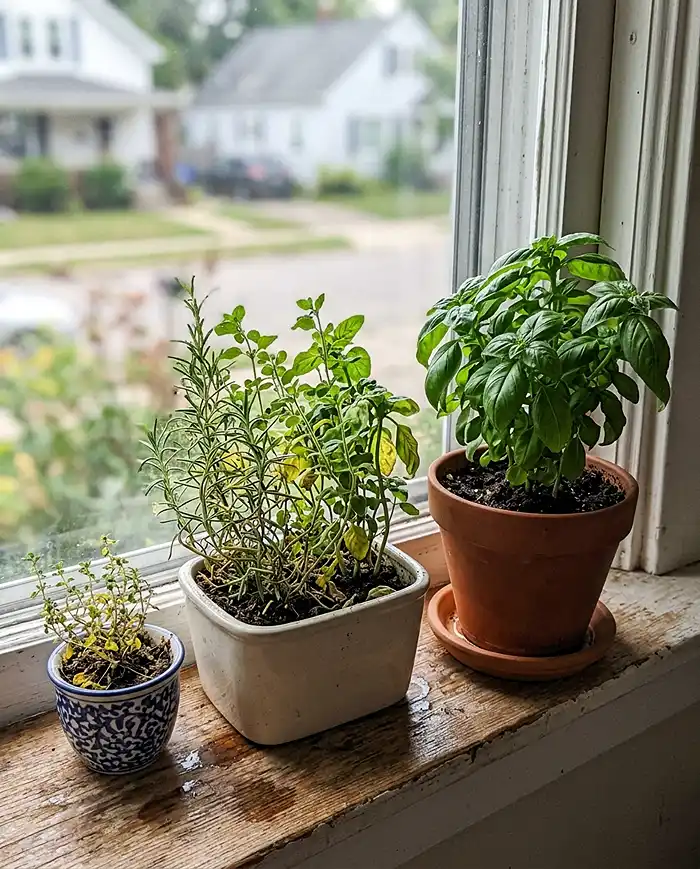
Yes, I’m saying it again because it’s that important. No matter how beautiful a decorative pot is, if it doesn’t have drainage holes, it will eventually kill your herbs. Full stop.
Choosing Decorative Pots That Are Too Small
Those adorable 3-inch pots look charming lined up on a windowsill. They also strangle root systems and dry out in hours. Your herbs need at least 6 inches of depth to build a healthy root system — form follows function here.
Overcrowding Herbs in One Container
Stuffing four different herbs into one pot might seem efficient, but it creates intense nutrient competition. Every plant fights for water, minerals, and root space, and everyone ends up weaker. Stick to one herb per 6–8 inch pot, or use a container at least 12 inches wide if you’re pairing two compatible species.
Frequently Asked Questions
What size pot is best for growing herbs indoors?
Most herbs do best in 8–10 inch deep containers with drainage holes. Compact herbs like thyme can manage in 6-inch pots, while taproot herbs like parsley need at least 12 inches of depth.
Are terracotta pots better than plastic for herbs?
Neither is universally better — it depends on the herb. Terracotta is ideal for dry-loving Mediterranean herbs like rosemary and sage. Plastic works better for moisture-loving herbs like basil and mint.
Can I grow multiple herbs in one pot?
You can, but only if they share similar water and root depth requirements. Never mix drought-loving and moisture-loving herbs in the same container — somebody’s going to suffer.
Do indoor herb pots need drainage holes?
Absolutely, yes. Drainage holes prevent water buildup, root suffocation, and root rot. It’s the single most important feature when choosing the right pots for window herbs.
Final Tips for Choosing the Perfect Window Herb Pot
If you take nothing else from this guide, remember these four things. Always prioritize drainage over aesthetics — a gorgeous pot without holes is just a decorative death trap. Match pot depth to your herb’s root type using the reference table above. Use terracotta for dry-loving herbs and plastic for moisture-loving varieties. And select 6–10 inch containers for most kitchen herbs.
At the end of the day, choosing the right pots for window herbs isn’t complicated — it just requires knowing what your plants actually need instead of grabbing whatever looks pretty on the shelf. Get the basics right, and you’ll be snipping fresh herbs into your cooking all year long.