

Easy Apartment Gardening Tips for Beginners
You don’t need a backyard to grow a jungle. Apartment gardening tips for beginners is about matching plants to the light you actually have, not fighting your space.
Table of Contents
Embracing Your New Apartment Garden Journey
I’ve kept plants on a west-facing balcony in Chicago (zone 6a) for six years, and here’s the thing nobody tells beginners: you don’t need a “green thumb.” You need to read your space honestly.
Apartment gardening rewards observation over instinct. A plant that thrives in your friend’s south-facing loft can rot in your dim hallway, and that’s not your fault. It’s a mismatch. Once you start choosing plants for your actual microclimate instead of the prettiest photo on Instagram, small space gardening stops feeling like a losing battle.
Assessing Your Apartment’s Growing Environment
Before you buy a single plant, spend one day “reading” your apartment. The number one reason beginners fail isn’t neglect, it’s forcing a sun-loving plant into a dark corner because it looked good on the shelf.
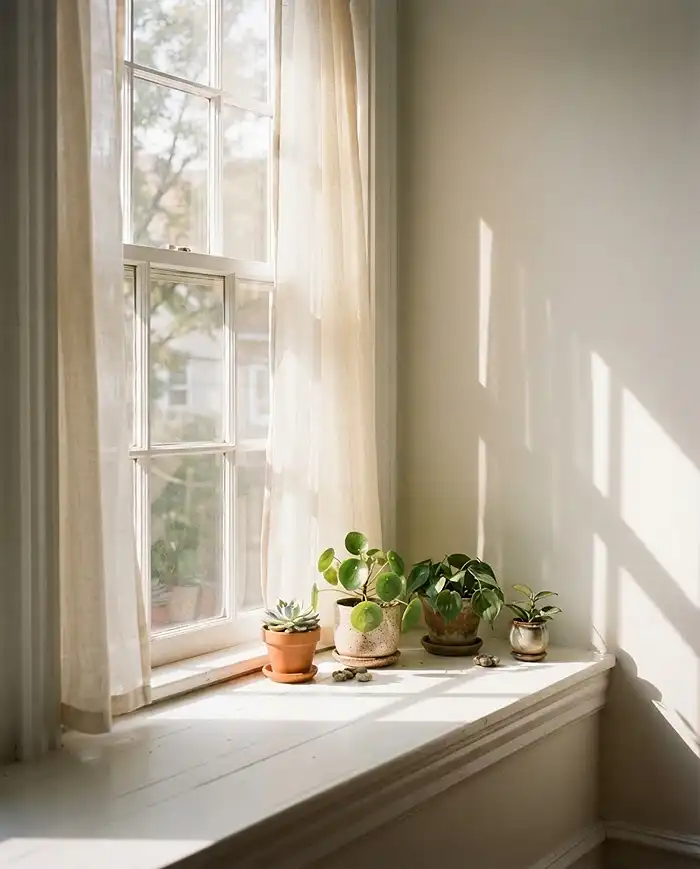
Mapping Indoor and Balcony Sunlight
Watch your windows and balcony from morning to evening. You’re sorting light into three buckets, and this single observation will guide every plant purchase you make from here on out.
- Direct light: Sun physically hits the leaves for several hours (south-facing windows, unshaded balconies)
- Indirect light: Bright but filtered through sheer curtains or a nearby building (east or west windows)
- Low light: Bright enough to read by, but no sun ever touches the surface (north windows, interior rooms)
My first apartment had exactly one bright window. I killed two basil plants there before admitting it was actually low-indirect light, not “bright” like I’d assumed.
Managing Temperature and Airflow
Check for drafty windows, air conditioning vents, and radiators near your plant spots. These create artificial temperature swings that dry out soil far faster than the season would suggest, stressing tender foliage even when light and water look fine.
A pothos I kept next to a heating vent one winter dropped half its leaves in three weeks, even though I was watering on schedule. Moving it four feet away solved it completely.
Essential Gear for Your First Garden
Skip the gadget aisle. Beginners need a short, boring list, not a cart full of moisture meters and decorative stakes.
- Plastic nursery pots with drainage holes (one per plant)
- A bag of indoor potting mix, not garden soil
- A watering can with a narrow spout
- A basic pair of pruning snips
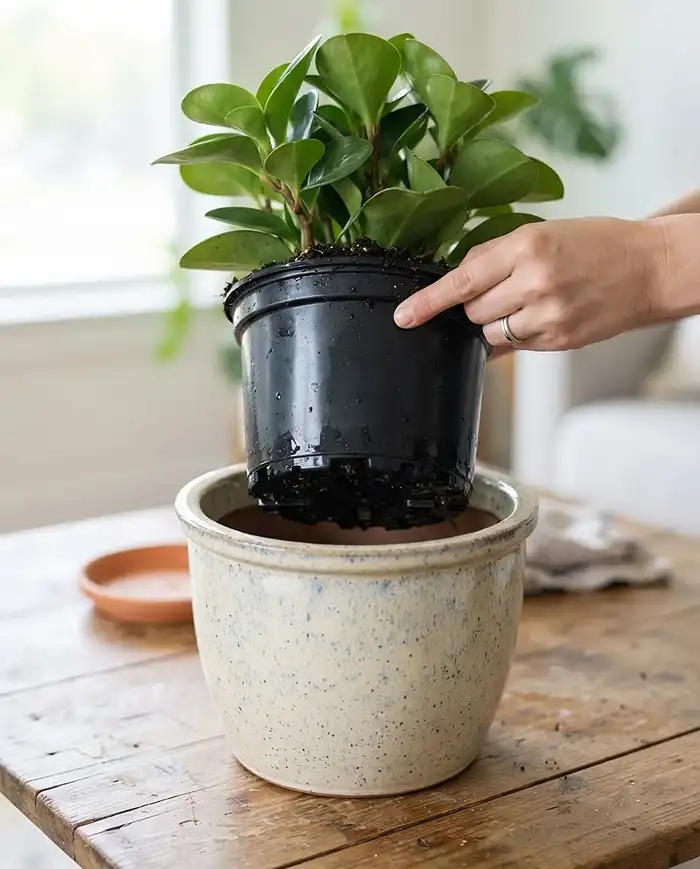
The Golden Rule of Containers: Drainage
That gorgeous hole-free ceramic pot at the home store is a guaranteed death sentence for a beginner plant. Water pools at the bottom, roots sit in it, and rot sets in within weeks, often before you notice anything wrong on the surface.
Here’s the workaround: keep every plant in its plastic nursery pot with drainage holes, then slip that pot inside the decorative pot as a “cachepot.” You get the look without drowning the roots, and you can lift the plant out to check moisture anytime.
Choosing the Right Indoor Potting Mix
Never dig up dirt from outside. Garden soil is dense, compacts fast indoors, and often carries weed seeds or pests you don’t want in your living room.
Buy a bag labeled specifically for indoor plants or container gardening, ideally one with perlite mixed in. Perlite keeps the mix airy so roots get oxygen instead of sitting in compacted, waterlogged soil.
Top Foolproof Plants for Novice Gardeners
Confidence comes from early wins. These varieties forgive missed waterings, imperfect light, and general beginner clumsiness, which is exactly what you need for your first season.
| Plant | Light Needs | Water Frequency |
|---|---|---|
| ZZ Plant (Zamioculcas zamiifolia) | Low to indirect | Every 2-3 weeks |
| Snake Plant (Sansevieria) | Low to bright, indirect | Every 2-4 weeks |
| Golden Pothos | Low to bright, indirect | Every 7-10 days |
| Loose-leaf lettuce | Direct, 4+ hours | Every 2-3 days |
| Chives | Direct to bright indirect | Every 3-4 days |
Indestructible Indoor Houseplants
The ZZ Plant, Snake Plant, and Golden Pothos are the “training wheels” of houseplants. Their drought-tolerant genetics evolved to survive long dry spells, which makes them nearly impossible to kill from underwatering, the most common beginner mistake.
Easy Edibles for Sunny Windows or Balconies
If you’ve got a south-facing window or sunny balcony, loose-leaf lettuce and radishes reward you in under a month. Mint and chives are nearly unkillable herbs that keep producing all season, making them ideal tiny garden ideas for a first-timer who wants something to actually harvest.
Step-by-Step: Planting Your First Pot
Repotting sounds intimidating, but it’s five simple moves. Do this once and you’ll never be nervous about it again.
- Line the bottom of your new pot with a coffee filter to cover the drainage hole without blocking it
- Gently squeeze the nursery pot and slide the plant out, loosening the root ball slightly with your fingers
- Set the plant in the new pot so the soil line matches where it sat before
- Fill in the gaps around the sides with fresh indoor potting mix, pressing lightly
- Water slowly until it runs from the drainage hole, letting the soil settle around the roots
Building a Low-Stress Maintenance Routine
The secret to a thriving urban gardening routine isn’t constant fussing, it’s a short weekly check-in. Look, touch the soil, and only act when something actually needs it.
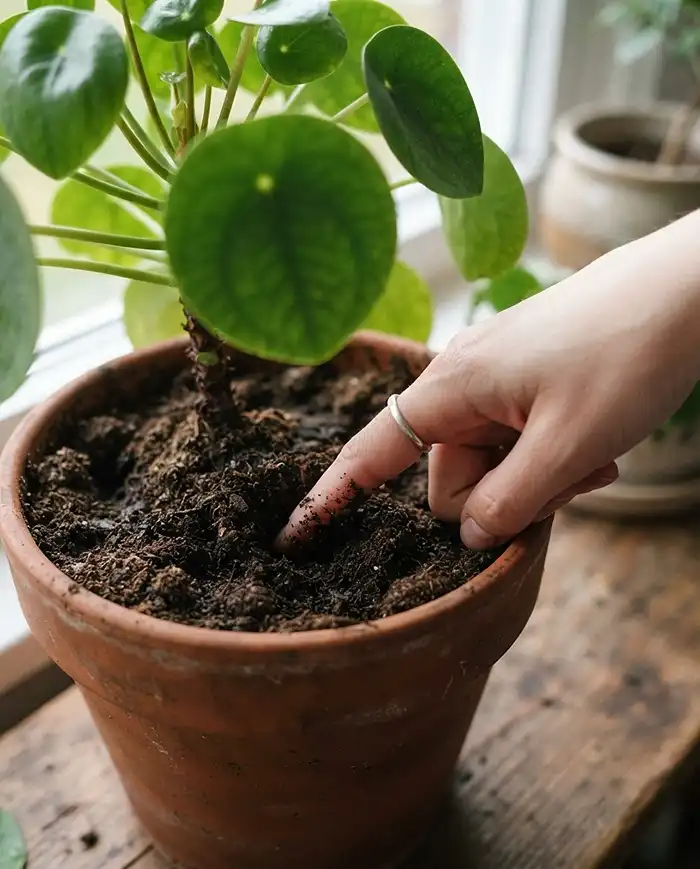
Mastering the “Finger Test” for Watering
Push your index finger about two inches into the soil. If it feels completely dry, water. If there’s any dampness at all, wait a few more days and check again.
This single habit rescues more beginner plants than anything else, because overwatering (not underwatering) kills far more apartment plants in their first year.
Simplified Feeding and Pruning
Feed with a diluted, balanced liquid houseplant fertilizer once a month, only during spring and summer when plants are actively growing. Skip feeding in fall and winter entirely.
Pinch off yellowing or spent leaves as you spot them. Removing dead growth (deadheading, in flower-speak) redirects the plant’s energy toward healthy new leaves instead of maintaining tissue that’s already failing.
Common Problems and Solutions
Nearly every beginner runs into the same two issues in their first few months. Both have quick, stress-free fixes once you know what’s actually happening.
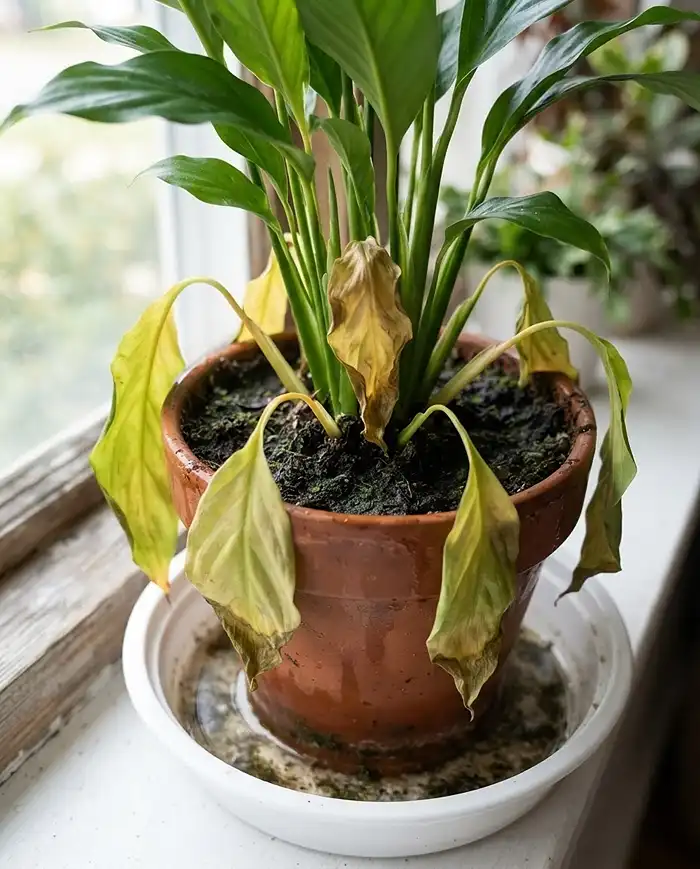
Overwatering and Yellowing Leaves
Yellow, mushy leaves are almost always a cry for oxygen, not water. The roots are drowning, not thirsty. Stop watering immediately, empty any standing water from the drip tray, and let the pot dry out completely before you touch the watering can again.
Banishing Annoying Fungus Gnats
Tiny black flies buzzing around damp soil are fungus gnats, and they’re harmless but annoying. Set out yellow sticky traps to catch the adults, and let the top inch of soil dry out fully between waterings to break their breeding cycle. The University of Minnesota Extension‘s houseplant pest guide has more detail if an infestation lingers.
For more layout inspiration once your first pots are thriving, check out these apartment balcony garden ideas and these space-saving small garden layouts.
Frequently Asked Questions
Can I grow food without a balcony?
Yes. A sunny, south-facing windowsill is enough for microgreens, scallions, and basil. If you want to grow larger vegetables indoors, an inexpensive full-spectrum LED grow light makes it possible even in a windowless room.
How often should I water my new plants?
There’s no universal schedule like watering every Tuesday. Frequency depends on season, humidity, and pot size, so use the finger test (checking two inches into the soil) before every single watering instead of a fixed calendar.
What is the best starter plant for a dark apartment?
The ZZ Plant (Zamioculcas zamiifolia) or Cast Iron Plant (Aspidistra elatior) are the top low-light champions. Both can survive for months in windowless bathrooms or dim hallways with minimal water and almost no direct light.
Final Thoughts
Apartment gardening for beginners comes down to three habits: read your light honestly, use pots with drainage, and check soil before you water instead of on a schedule.
Start with one forgiving plant like a pothos or a ZZ Plant, get comfortable with the finger test, then expand. For a full rundown of getting started, see this complete beginner’s guide to apartment gardening.