

Best Vegetables for Container Gardening
Discover the best vegetables for container gardening that produce huge harvests from tiny balconies and patios. Learn which compact varieties thrive in pots, avoid common mistakes, and turn any small space into a productive food garden. Start growing fresh veggies today!
Here’s something most people don’t realize: you don’t need a backyard to grow your own food. Seriously—if you’ve got a balcony, a fire escape, or even just a sunny windowsill, you’re already halfway to harvesting fresh veggies.
Container gardening for food makes it ridiculously simple to grow vegetables in small spaces like balconies, rooftops, and patios. And honestly? Once you nail the basics of choosing the right containers and compact vegetable varieties, even the tiniest urban setup can produce more food than you’d expect.
This small spaces guide will walk you through everything—from why some vegetables absolutely crush it in pots while others totally flop, to the exact compact varieties that’ll actually give you a harvest worth bragging about. Think of this as your crash course in the best vegetables for container gardening, minus all the overwhelming gardening jargon.
Table of Contents
Why Some Vegetables Succeed in Containers (And Others Don’t)
Okay, let’s get real for a second. Not every vegetable is cut out for life in a pot, and understanding why saves you a ton of frustration (and wasted money on plants that never stood a chance).
Root systems tell you almost everything. Vegetables with shallow, fibrous roots—like lettuce, spinach, and most herbs—are basically made for containers. They spread out rather than dive deep, so they’re perfectly happy in a relatively small space.
On the flip side, deep taprooted crops like parsnips or those super long carrots? Yeah, they’re going to struggle unless you’ve got some seriously deep containers. They want to stretch down, and when they can’t, they get stunted and grumpy.
Growth habit is your next big clue. Compact, bushy plants are gold for small spaces—they maximize every inch. But sprawling monsters like winter squash? They’ll take over your entire balcony and then ask for more. Not ideal unless you’re into extreme container gardening challenges.
Here’s where it gets interesting: yield efficiency separates the rockstars from the one-hit wonders. The best vegetables for container gardening are the ones that keep producing over weeks or even months. Cherry tomatoes, leafy greens, herbs—these guys give you continuous harvests. Compare that to something like cabbage that takes forever, produces once, and then you’re done.
And finally, let’s talk about water and nutrient tolerance. Container soil dries out way faster than ground soil (like, way faster), and nutrients wash out every time you water. So you need vegetables that can handle frequent drinks and regular feeding without throwing a fit. According to the University of Illinois Extension, container plants typically need fertilizing every 1-2 weeks because of this rapid nutrient depletion—something most beginners don’t realize until their plants start looking sad.
The Science of Container Gardening for Food (Don’t Worry, It’s Cool Science)
Growing veggies in pots isn’t just “gardening lite”—it actually offers some legit advantages over traditional in-ground beds, especially if you’re dealing with urban vegetable cultivation.
Limited soil volume sounds like a bad thing, right? Plot twist: it’s actually kind of amazing. You get complete control over soil quality, drainage, and nutrition. No battling clay soil, no mystery chemicals from previous owners, no guessing games.
Container gardening gives you automatic no-dig benefits, which is huge for small spaces. There’s zero ground-breaking, no back-breaking soil amendment projects, and no wrestling with compacted earth. Just fill your containers with good potting mix and you’re off to the races.
But here’s my favorite part: mobility changes everything. Your tomatoes not getting enough sun in the morning? Move them. Cold snap coming? Bring tender plants inside. Want to rearrange your whole setup because you’re bored? Go for it. Try doing that with an in-ground garden bed.
Plus, you dodge most soil-borne pests, gardening becomes accessible for people with mobility issues, and you can grow food on concrete surfaces where traditional beds would be impossible. If you’re curious about diving deeper into these advantages, check out this comprehensive guide on container gardening for food that breaks down even more benefits.
How to Choose the Best Vegetables for Container Gardening
Root Depth Requirements (It’s Simpler Than It Sounds)
Matching vegetables to container depth is honestly one of those things that seems complicated until someone just tells you how it works.
Shallow-rooted vegetables—think lettuce, spinach, arugula, most herbs—only need about 6-8 inches of soil depth. Their fibrous roots spread horizontally instead of diving deep, so even a basic window box works great for these.
Deep-rooted vegetables like tomatoes, peppers, and eggplants are the overachievers. They send roots down 12-18 inches because they’re supporting heavy fruit production. Skimp on depth here and you’ll definitely notice it in your harvest.
The whole fibrous vs. taproot thing matters too. Carrots and beets grow straight down with that classic taproot shape—they need depth but not necessarily width. Bush beans spread their roots out horizontally, so they use container space totally differently.
Mature Plant Size Matters More Than You Think
Here’s something that trips up a lot of beginners with balcony garden ideas: container spacing works nothing like in-ground spacing.
In a garden bed, plants spaced 24 inches apart still share root space underground—they mingle, they overlap, they’re basically roommates. But in a container? Total isolation. That pot has to provide everything the plant needs, solo.
This is exactly why dwarf and compact cultivars are absolute game-changers for the best vegetables for container gardening. Varieties bred specifically for pots top out at 12-24 inches instead of sprawling to 6 feet. Same harvest potential, fraction of the space—it’s honestly brilliant plant breeding.
Container Volume Over Shape (Size Actually Matters)
Forget those cute decorative pots shaped like chickens or whatever. When it comes to the best vegetables for container gardening, soil mass is what actually keeps your plants alive and thriving.
Bigger soil volumes = better moisture retention. A 5-gallon container stays hydrated way longer than a 1-gallon pot, which means less frantic watering and happier plants during hot afternoons.
Temperature stability is the hidden benefit nobody talks about. Small containers heat up and cool down super fast, which stresses roots like crazy. Larger volumes buffer against these temperature swings, keeping roots in their happy zone even when the weather’s doing weird things.
And here’s the truth bomb: undersized containers are the #1 reason for disappointing harvests. A pepper plant crammed into a 1-gallon pot will technically survive, but it’ll produce maybe a quarter of the peppers it would in a proper 5-gallon container. Don’t do that to yourself (or your pepper plant).
Choosing the Right Containers for Small Spaces
Minimum Container Depth & Volume (The Cheat Sheet)
Okay, here’s your quick-reference guide for matching the best vegetables for container gardening to actual pot sizes:
| Vegetable Type | Minimum Depth | Container Size |
|---|---|---|
| Leafy Greens | 6–8 inches | 1–2 gallons |
| Root Crops | 8–12 inches | 2–3 gallons |
| Fruiting Vegetables | 12–18 inches | 5–10 gallons |
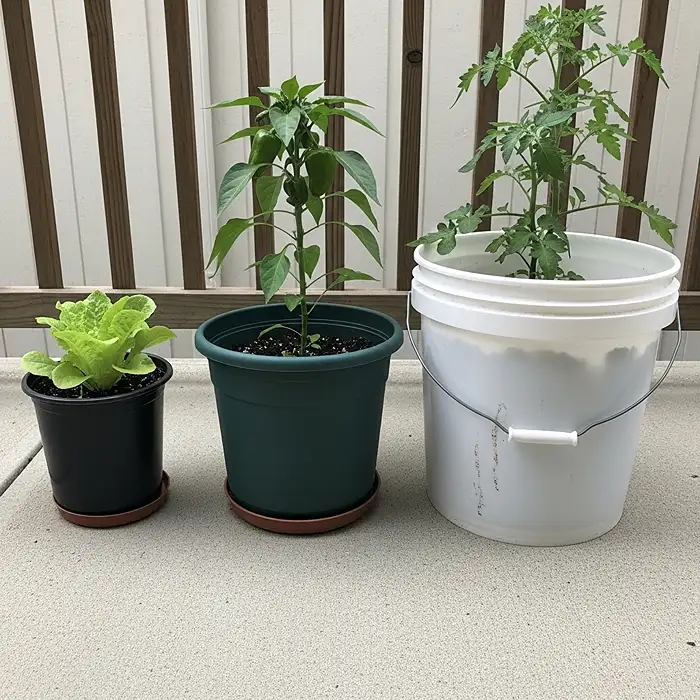
Real talk though? These are survival minimums. For actually impressive yields in urban vegetable cultivation, go one size bigger whenever you can swing it. Your plants will thank you with actual food.
The “Hydraulic Buffer” Effect (This One’s Actually Fascinating)
Most guides skip this, but it’s super important: larger containers literally prevent root heat stress during those brutal urban heat waves.
Here’s what happens: concrete patios and rooftop surfaces soak up heat all day, then radiate it back out. Small pots sitting on those surfaces can hit soil temperatures above 100°F—which basically cooks your roots and shuts down growth completely.
Larger containers resist these temperature spikes because more soil mass = better thermal insulation. We’re talking 10-15°F cooler at root level during peak heat. That’s the difference between plants that thrive and plants that just… give up and wilt.
Soil and Nutrition for Container Vegetables (Please Don’t Skip This)
Never, ever use garden soil in pots. Like, seriously—I cannot stress this enough. It’s the fastest way to create a drainage disaster and watch your plants slowly suffocate.
Garden soil compacts like crazy in containers. Within a few weeks, all those air pockets roots need for oxygen just collapse, and you’re left with dense, waterlogged mud. Not cute.
Quality container mixes prioritize aeration and drainage through ingredients like peat moss, coconut coir, perlite, and compost. These materials hold moisture while maintaining those crucial air spaces that keep roots breathing happy.
Go with peat-based mixes for general reliability, coco coir blends if you’re into sustainability, or compost-heavy mixes for organic growing. Honestly, they all work—what matters is that fluffy, well-draining structure.
Feeding Container Vegetables (The Part Nobody Warns You About)
Nutrient leaching is the sneaky villain of container gardening. Every single time you water, some nutrients wash straight out those drainage holes and disappear.
This means the best vegetables for container gardening need regular feeding—usually every 7-14 days during active growth. In-ground plants can pull nutrients from a huge soil reserve for months, but container plants burn through their supply in weeks.
Organic fertilizers like compost tea or fish emulsion release nutrients slowly and feed beneficial soil microbes. Synthetic fertilizers deliver precise nutrition fast. According to research from the University of Maryland Extension on container fertilization, both approaches work great—just pick whichever matches your gardening style and time budget.
Best Vegetables for Container Gardening (Top 10 Compact Varieties That Actually Deliver)
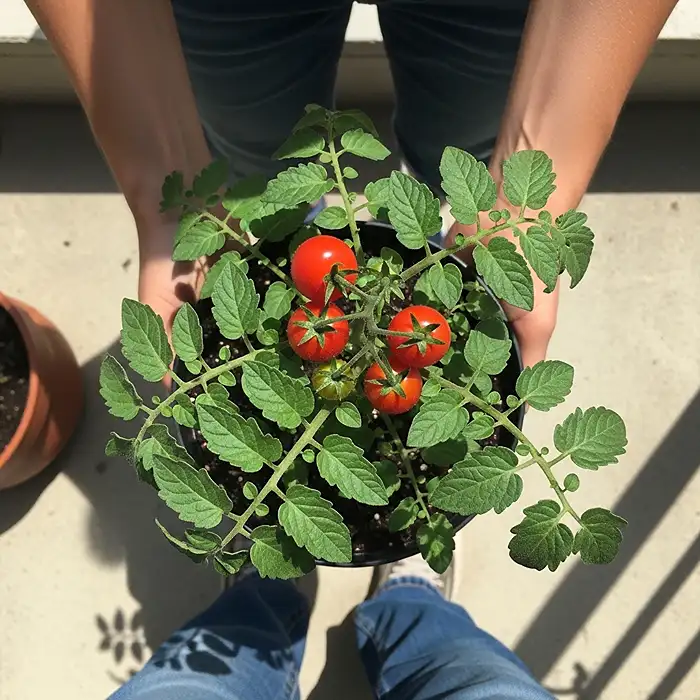
Tomatoes – ‘Tiny Tim’
This determinate cherry tomato is basically perfect for small spaces—it maxes out at 12-18 inches tall and produces ridiculous amounts of sweet 1-inch fruits all summer. Barely needs staking, works great in hanging baskets, and makes beginners feel like gardening geniuses.
Peppers – ‘Matchbox’
A compact sweet pepper that stays under 14 inches but still cranks out full-sized bell peppers. Grows happily in a 3-gallon container, which is wild considering most pepper varieties demand way more space. Total overachiever.
Cucumbers – ‘Spacemaster’
This bush variety eliminates the whole trellising nightmare. You get proper 8-inch slicing cucumbers from just 2 square feet and a 5-gallon pot. If you’ve avoided cucumbers because of space, this one changes the game.
Peas – ‘Tom Thumb’
An adorable heirloom dwarf pea that only reaches 10 inches tall. Produces tender, sweet peas without any support structure—just plant it in a shallow container and watch it do its thing during cool weather.
Carrots – ‘Little Finger’
These 3-4 inch baby carrots are legitimately sweet and mature in containers just 8 inches deep. Ready in 60 days, which makes them perfect for impatient gardeners (guilty) and anyone new to growing root crops.
Eggplant – ‘Patio Baby’
Compact plants pump out 2-3 inch fruits that are perfect for single servings. Thrives in 5-gallon containers with full sun, and honestly? Way easier to manage than those massive standard eggplant varieties.
Swiss Chard – ‘Bright Lights’
Stunning rainbow stems, tender leaves, and continuous production in just a 2-gallon container. Heat-tolerant enough to keep going spring through fall, plus it’s so pretty you could honestly grow it as an ornamental.
Lettuce – Looseleaf Varieties
Cut-and-come-again looseleaf lettuce is basically the gift that keeps giving. Harvest outer leaves, let the center keep growing, repeat for months. Grows in shallow containers, tolerates partial shade—ideal for balcony garden ideas where sun is limited.
Bunching Onions – ‘Tokyo’
These scallions literally regrow after you cut them. Plant them densely in a 1-gallon container and you’ve got continuous harvests from minimal space. Easiest crop ever for the best vegetables for container gardening lineup.
Dwarf Corn – ‘Blue Jade’ (For the Ambitious)
Okay, this one’s for advanced growers, but it’s so cool. This 4-foot ornamental corn produces colorful ears in large 10-gallon containers. Requires hand-pollination and takes up serious space, but the visual appeal is next-level.
Best Container Vegetables for Beginners vs Advanced Gardeners
Beginner-Friendly Vegetables (Start Here, Trust Me)
If you’re new to the best vegetables for container gardening, these forgiving crops won’t judge your learning curve:
- Lettuce – Fast-growing, nearly impossible to kill, and ready in weeks
- Herbs – Basil, parsley, cilantro thrive with minimal fussing
- Radishes – Harvest in 30 days from literally any small container
- Green onions – Seriously, you can regrow these from kitchen scraps
- Bush beans – Productive, self-supporting, beginner-proof
Vegetables for Experienced Growers (Level Up Your Game)
Once you’ve got some confidence, these rewarding challenges for urban vegetable cultivation await:
- Tomatoes – Require consistent care, staking, and attention to detail
- Peppers – Need stable temperatures and regular feeding schedules
- Eggplant – Demand warm conditions and active pest monitoring
- Cucumbers – Benefit from trellising and careful watering balance
- Dwarf corn – Requires hand-pollination and large containers, but so worth it
Best Vegetables for Balconies vs Rooftops (Location Matters)
Balcony Gardening (Wind & Shade Are Your Reality)
Balconies often get partial shade and random wind gusts that can wreck your setup. Choose the best vegetables for container gardening that handle these conditions:
- Leafy greens tolerate 3-4 hours of sun just fine
- Herbs adapt to whatever light you can give them
- Compact peppers still produce even in partial shade
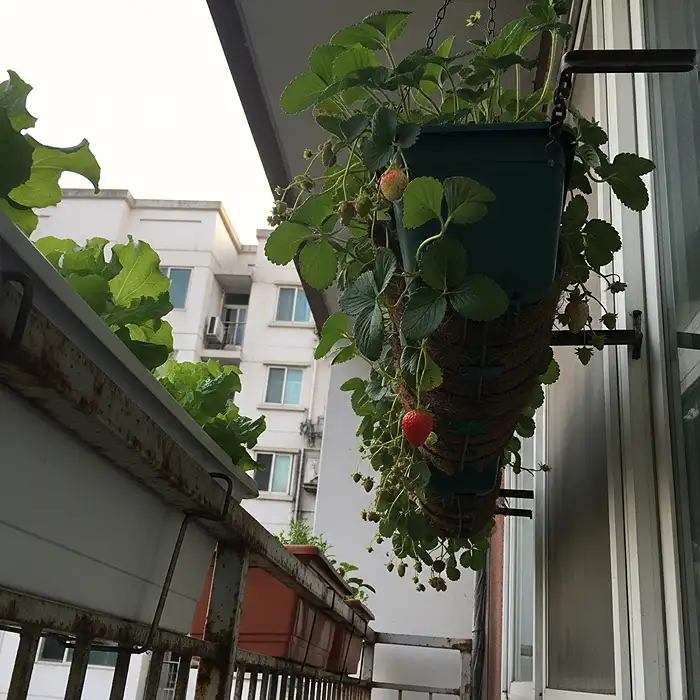
- Strawberries thrive in hanging baskets with just morning sun
Pro tip: use heavy containers or secure pots to railings so wind doesn’t turn your garden into a disaster zone.
Rooftop Gardening (Hello, Intense Sun and Heat)
Rooftops offer amazing full sun but can get brutally hot. Select heat-loving crops for your small spaces guide:
- Tomatoes absolutely love full-sun rooftop exposure
- Eggplant thrives in these hot conditions
- Cucumbers tolerate heat if you keep them watered
- Peppers are basically designed for consistent warmth
Just provide afternoon shade during extreme heat waves using shade cloth, and you’re golden.
Vertical Gardening for Small Spaces (Because Who Says You Need Ground Space?)
Growing upward instead of outward is honestly genius when you’re working with limited square footage.
Hanging Baskets
Suspend trailing crops overhead and suddenly you’ve got bonus growing space:
- Strawberries cascade beautifully while freeing up floor real estate
- Cherry tomatoes like ‘Tumbling Tom’ produce heavily while dangling
Railing Planters
Hook-over planters attach right to balcony rails—no floor space needed:
- Lettuce grows perfectly in shallow railing boxes
- Herbs stay accessible at arm’s reach for cooking
- Spinach produces continuously in cool weather right where you need it
Vertical Wall Systems
Pocket planters and wall-mounted systems create productive vertical gardens that look amazing. Bonus: they provide thermal insulation benefits by shading walls and reducing heat absorption into your living space.
Managing the Urban Microclimate (It’s Weird Out There)
Urban environments create some genuinely bizarre growing conditions through heat reflection and wind exposure that you just don’t get in suburban gardens.
Concrete and glass reflect crazy amounts of heat onto plants. Rooftop surfaces can add 10-20°F to ambient temperatures, which stresses the best vegetables for container gardening way beyond their comfort zones.
Wind exposure in high-rise spaces dries plants super fast and can straight-up topple lightweight containers off ledges. Not fun.
Practical solutions that actually work:
- Elevate containers on pot feet—improves airflow and drainage
- Use heavy ceramic or composite pots to prevent tipping
- Provide shade cloth during heat waves to protect sensitive crops
- Group containers together for mutual wind protection and microclimate benefits
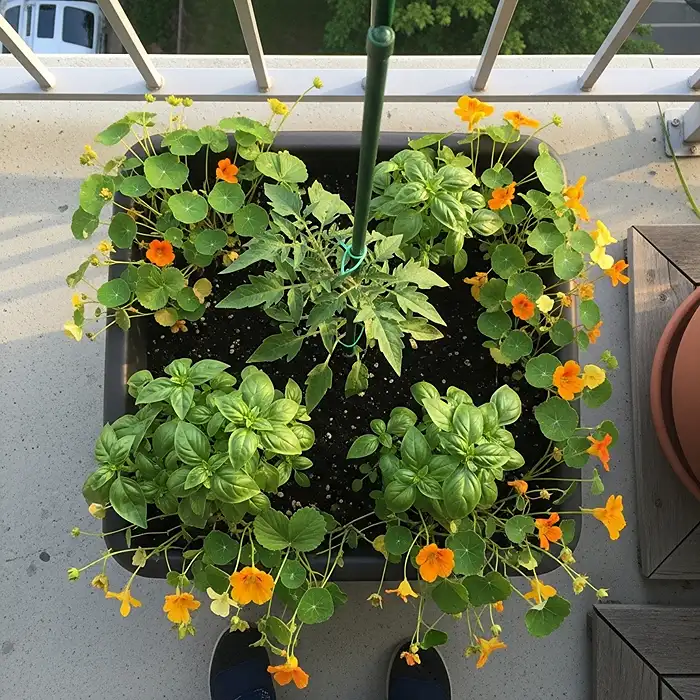
The “Thriller, Filler, Spiller” Edible Container Method (This Strategy Rocks)
This proven design approach maximizes food production while creating containers that actually look good—perfect for balcony garden ideas where aesthetics matter.
Thriller: Plant one upright focal point like a staked tomato or pepper in the center as your star player.
Filler: Surround it with mid-height plants like basil, bush beans, or compact herbs that fill space and produce continuously.
Spiller: Edge with trailing crops like strawberries or edible nasturtiums that cascade over container edges for that Instagram-worthy look.
This layered approach produces three different crops from one container while looking intentional and designed. Win-win for urban vegetable cultivation that needs to function and look good.
Container Gardening FAQs (The Questions Everyone Asks)
How often should I water container vegetables?
Use the finger test: stick your finger 1-2 inches into the soil. If it feels dry at that depth, water. Always water until excess drains from the bottom holes—this ensures roots actually get moisture throughout the pot.
Can I reuse potting soil from last season?
Technically yes, but… nutrients are totally depleted after one growing season, and disease pathogens might be lurking in there. Refresh containers with new potting mix annually, or amend heavily with compost and fertilizer if you’re committed to reusing.
How do I prevent blossom end rot on my tomatoes?
This calcium deficiency in tomatoes and peppers usually comes from inconsistent watering, not actual calcium shortage. Maintain even soil moisture (no feast-or-famine watering), and make sure your potting mix has adequate calcium through lime or gypsum additions.
What if I don’t have pollinators on my balcony?
Hand-pollinate using a small brush or just gently shake flowering plants daily. Transfer pollen between flowers on tomatoes, peppers, and cucumbers to make sure fruit actually sets. It’s weirdly satisfying, honestly.
Conclusion: Turning Small Spaces Into Actual Food Gardens
Look, container gardening brings real food independence to urban environments where traditional gardens simply aren’t possible. And that’s kind of amazing when you think about it.
The mental health benefits of growing your own food—even just fresh herbs and salad greens—provide daily connection to natural cycles that modern life usually strips away. Plus the environmental benefits of reduced food miles and plastic packaging waste are legit.
But mostly? Container gardening with the best vegetables for container gardening just adapts perfectly to modern living in small spaces. Start small with this small spaces guide, experiment with compact varieties, and watch your confidence and harvests grow together.
Your balcony, patio, or rooftop holds way more potential than you probably imagine right now. One container at a time, you’re building a more sustainable, delicious future. And honestly? That first homegrown tomato is going to taste incredible.