

How to Choose the Right Plant for Your Light Conditions
Stop killing plants by guessing. Learn how to choose the right plant for your light conditions with a free shadow test & seasonal map. Read the guide →
Light is the one thing you can’t fake in gardening. It’s the raw fuel behind photosynthesis — the process where your plant turns photons into the glucose it needs to grow, flower, and frankly, not die on you. And yet, most of us bring home a gorgeous new plant, set it on whatever shelf looks cute, and then wonder why it’s throwing a tantrum three weeks later.
Here’s the truth: learning how to choose the right plant for your light conditions is the difference between a home full of thriving greenery and a guilt-inducing graveyard of brown, crispy stems. The good news? It’s not complicated once you know what to look for. Let’s break it down.
Table of Contents
Why Light Isn’t Something You Can Eyeball
The Simple Science You Actually Need
You don’t need a biology degree here — just the short version. Light hits a leaf’s chlorophyll, chlorophyll converts that energy into glucose, and glucose powers literally everything the plant does. Growth, flowers, new roots — all of it runs on that chain.
So when a plant tag says “bright indirect light” and you stick it in a dark hallway, you’re not giving it a minor inconvenience. You’re cutting off its food supply. Slowly, quietly, it starves. The leaves get smaller, the stems get leggy, and eventually you’re googling “why is my plant dying” at midnight. We’ve all been there.
Sun-Lovers vs. Shade-Lovers — They’re Built Differently
This is the part most people skip, and it explains so much.
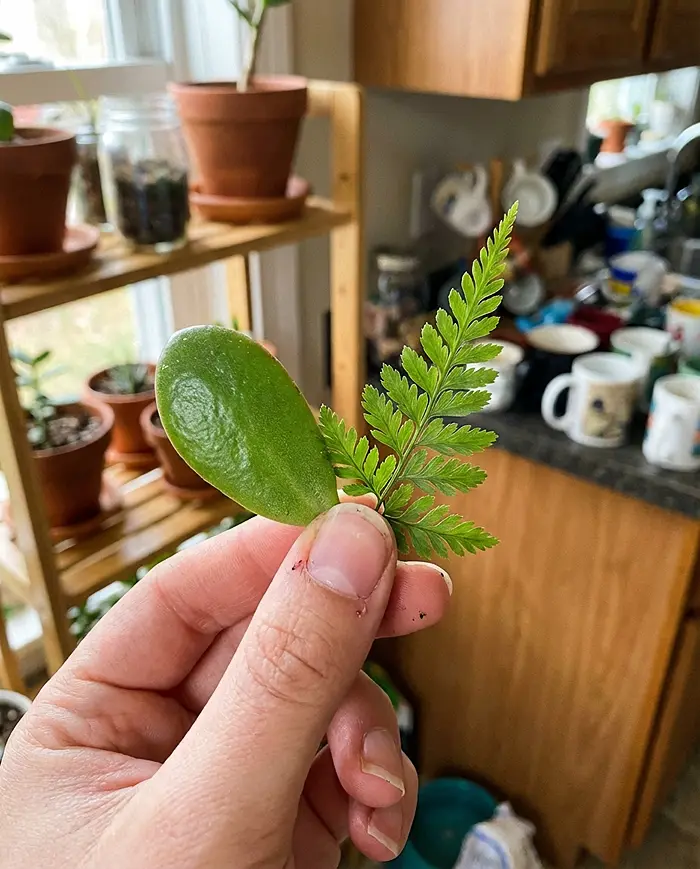
Succulents, cacti, and other sun-lovers have thick, waxy leaves and tight rosettes. That’s not just aesthetics — it’s armor. Those leaves reflect excess light, minimize water loss, and handle heat like champs. Stick one of these in a dim corner and it’ll stretch out desperately toward the nearest light source, lose its shape, and weaken over weeks.
Shade-lovers like ferns and calatheas? Complete opposite blueprint. They’ve got broad, thin leaves packed with chlorophyll — basically giant solar panels designed to soak up every last photon under a dense forest canopy. Put one of these in a sunny south window and those delicate leaves will scorch and crisp faster than you’d expect. They literally don’t have the built-in sunscreen for it.
The point isn’t just “different plants like different light.” It’s that their physical anatomy makes them incapable of thriving in the wrong spot. You’re not being picky when you match light to plant — you’re respecting engineering that took millions of years to develop.
Your Quick-Reference Stress Table
Not sure if your plant’s getting too much or too little light? This table’s your cheat sheet:
| Symptom | What You’ll See | Too Much Light | Too Little Light |
|---|---|---|---|
| Chlorosis | Yellowing or bleached leaves | ✓ (photobleaching) | ✓ (weak chlorophyll activation) |
| Etiolation | Leggy, stretched-out stems | — | ✓ |
| Leaf Scorch | Brown, crispy edges and tips | ✓ | — |
| Leaf Drop | Sudden shedding of healthy-looking leaves | ✓ (heat stress) | ✓ (energy conservation) |
| Stunted Growth | Abnormally small new leaves | ✓ (defensive response) | — |
Bookmark this. You’ll use it more than you think.
How to Choose the Right Plant for Your Light Conditions Indoors
Reading Your Windows Like a Pro
Your indoor window light guide starts with one simple question: which direction does the window face? Each orientation delivers a fundamentally different quality and quantity of light.
| Window | What It Gives You | Best Plants For It |
|---|---|---|
| North | Consistent, cool, low-intensity indirect light | Pothos, ferns, ZZ plants |
| South | The longest direct sun exposure with real heat | Succulents, cacti, fiddle-leaf figs |
| East | Gentle, cool morning sun | Calatheas, African violets, herbs |
| West | Hot afternoon sun at a sharp angle | Crotons, jade, bird of paradise |
(Quick note: this assumes Northern Hemisphere. If you’re in the Southern Hemisphere, flip South and North.)
If you’re working with limited space and want forgiving plants that adapt well, check out our guide to best beginner plants for small-space gardening — it pairs perfectly with what you’re learning here.
The Thing Nobody Tells You: Distance Matters More Than Direction
Here’s where most indoor plant advice falls apart. People say “south window = bright light” and leave it at that. But light intensity drops exponentially with distance — not gradually. A spot just three feet back from a sunny south window can actually test as medium light, not high.
And that’s before you factor in obstructions. A neighboring building across the street, a mature tree outside, an awning, even dirty glass — any of these can downgrade your window by a full light category.
The takeaway? Never assume light level by window direction alone. You need to test the actual spot where the pot’s going to sit. More on how to do that in a minute.
How to Choose the Right Plant for Your Light Conditions Outdoors
The Standard Labels (and What They Actually Mean)
| Label | Direct Sun Hours | Plant Examples |
|---|---|---|
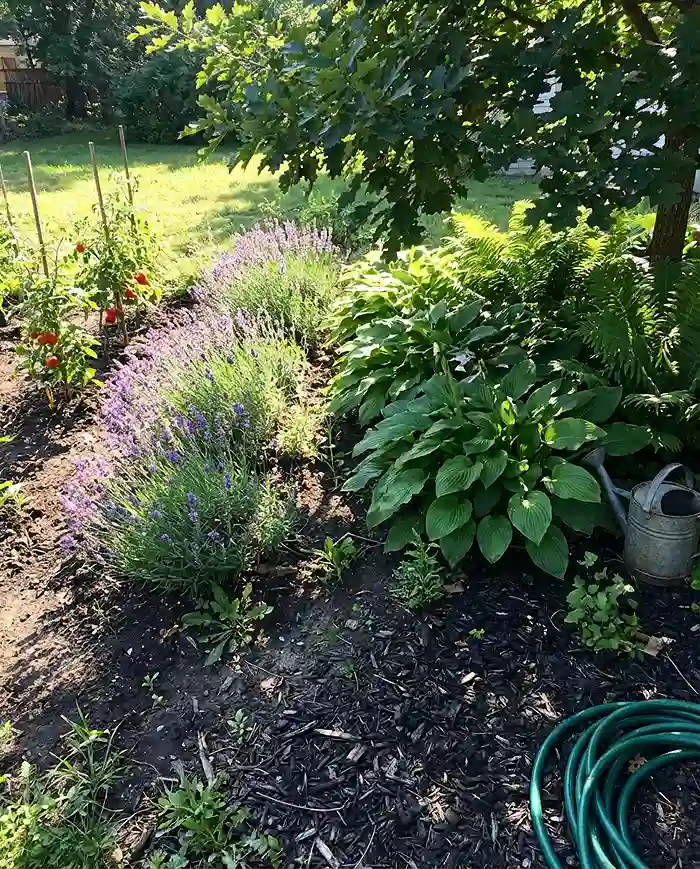
| Full Sun | 6+ hours | Tomatoes, lavender, roses |
| Part Sun / Part Shade | 3–6 hours | Hydrangeas, hostas, lettuce |
| Full Shade | Less than 3 hours | Ferns, heuchera, astilbe |
Part Sun and Part Shade Are NOT the Same Thing
I can’t stress this enough because confusing these two labels is probably the single biggest reason plants from the garden center underperform.
Part sun means the plant needs those hours of direct sun exposure for plants to actually bloom or set fruit. It’s a requirement. Morning sun is usually preferred. Part shade means the plant tolerates some sun but needs shelter from harsh afternoon heat — especially if you’re gardening in zone 8 or warmer.
One describes what the plant demands. The other describes what it can’t survive. Mix them up and you’ll wonder why your hydrangeas look miserable every August.
Shade Isn’t Just Shade
There are flavors of shade, and they matter:
Dappled shade is that shifting, filtered light under a tree canopy — think woodland wildflowers and Japanese maples. Full shade means no direct sun but still decent ambient light — hostas and impatiens do well here. Dense shade, like under evergreens or deep structural overhangs, is the tough zone. Very few ornamentals will survive it; you’re looking at mosses, some ivy cultivars, and tough ground covers.
Measuring Light Without Fancy Equipment
The 30-Second Shadow Test
This is free, fast, and honestly good enough for most people. Hold your hand about 12 inches above the surface where you’re planning to put a plant:
- Crisp, sharp shadow → You’ve got direct, high light.
- Soft shadow with fuzzy edges → Bright indirect, medium light.
- Barely any shadow → Low light.
Do this at noon and again around 3 PM to get a realistic picture. That’s it — 30 seconds, zero dollars.
When You Want Real Numbers: Foot-Candles vs. PPF
If you’re the type who wants data (no judgment — I’m the same way), here’s what the professional metrics look like:
| Light Tier | Foot-Candles | PPF (µmol/m²/s) | Plants That Thrive Here |
|---|---|---|---|
| Low | 50–200 | 10–50 | Snake plant, pothos, ZZ |
| Medium | 200–1,000 | 50–200 | Philodendrons, peace lily, dracaena |
| High Indirect | 1,000–5,000 | 200–600 | Fiddle-leaf fig, rubber plant, monstera |
| Direct Sun | 5,000–10,000+ | 600–2,000+ | Cacti, succulents, most edibles |
Foot-candles measure brightness as your eyes perceive it — any free smartphone app can give you a reading. PPF (Photosynthetic Photon Flux) measures the actual photons plants use and is the scientifically precise metric, but for most home growers, a quick foot-candle reading is honestly all you need.
The University of Minnesota Extension’s indoor lighting guide is a great deep-dive if you want to geek out further on this.
Light Mapping: The Most Underrated Plant Care Tool
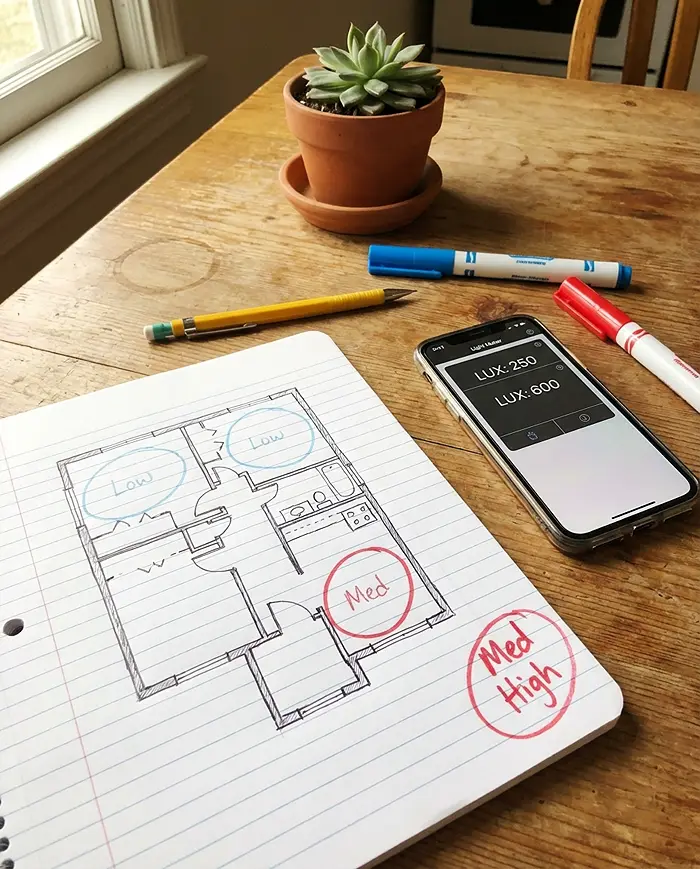
Want to truly nail how to choose the right plant for your light conditions? Build a seasonal sun map. It sounds fancy — it’s not:
- Pick a normal-weather day — not unusually cloudy or bright.
- Take readings at 8 AM, noon, and 4 PM at every spot you’d consider placing a plant.
- Label each spot Low, Medium, High, or Direct.
- Repeat once per season — sun angles can shift up to 47° between solstices.
- Sketch it on a floor plan or just mark up a photo.
That’s your map. Now every time you bring a new plant home, you’re not guessing — you’re placing.
When Your Space Doesn’t Have Enough Natural Light
Picking the Right Grow Light
| Type | Spectrum | Heat | Best For |
|---|---|---|---|
| LED (Full-Spectrum) | Tunable, closest to real sunlight | Low | All-purpose, long-term use |
| Fluorescent (T5/T8) | Cool white, decent PAR | Moderate | Seedlings and leafy greens |
| Incandescent | Red-heavy, poor PAR | High | Honestly? Don’t bother. |
The simple rule: run grow lights for 12–16 hours to replace a full day of natural sun. Keep LEDs about 6–12 inches above your plant’s canopy and raise the fixture as it grows.
Plant Care Apps Worth Downloading (2025–2026)
| App | What It Does Best | Who It’s For |
|---|---|---|
| PlantIn | AI plant ID (24,000+ species), disease diagnosis, built-in light meter | Anyone who wants an all-in-one tool |
| Planta | Automated watering schedules, clean interface | People who want a structured routine |
| Plant Parent | Step-by-step tutorials, repotting guides | Total beginners who want hand-holding |
| LeafSnap / PlantNet | Photo-based species identification | Identifying mystery plants before you place them |
The “Right Plant, Right Place” Checklist
Five Questions to Ask Before You Buy
Run these through your head at the nursery — they take 30 seconds and they’ll save you from a lot of disappointing purchases:
- What’s the actual light level at the spot I’m planning to use? (Not the window direction — the spot.)
- How big does this plant get at maturity? (That cute 2-inch fiddle-leaf fig will become a 6-foot tree.)
- Am I realistically going to prune, rotate, and repot this?
- Does my indoor humidity and climate match what this species needs?
- If the spot is borderline on light, am I willing to set up a grow light?
If any answer is “I don’t know,” the plant’s a gamble, not a choice. Put it back.
Group Plants Like Ecosystems, Not Decor
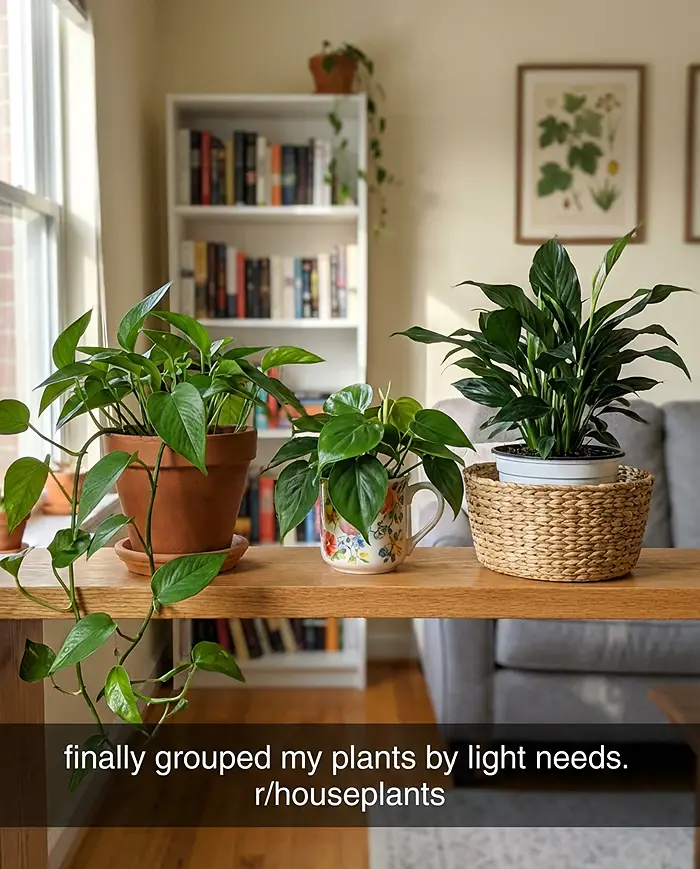
This isn’t an interior design tip — it’s resource management. Group plants with the same light and watering needs together on the same shelf, table, or bed.
Good indoor grouping: Pothos + philodendron + peace lily. They all want medium indirect light and moderate water. Throw a succulent into that cluster and you’re guaranteed to overwater or underwater something.
Good outdoor grouping: Lavender + rosemary + sage. Full sun, lean dry soil. Try adding a hosta to that bed and every plant in it loses.
Frequently Asked Questions
Can a plant survive on only artificial light?
Absolutely. Full-spectrum LED grow lights delivering around 200+ µmol/m²/s for 12–16 hours per day can completely replace sunlight for most houseplants and plenty of edibles. The trick is matching the intensity and duration to your specific plant’s DLI (Daily Light Integral) needs.
What’s the real difference between part sun and part shade?
Part sun means the plant requires 3–6 hours of direct sun to bloom or fruit — no sun, no flowers. Part shade means the plant tolerates some sun but needs protection from harsh afternoon heat. One’s about demand, the other’s about limits.
How does seasonal change affect my indoor plants?
Big time. In winter, the sun angle drops and days get shorter — a south-facing window can lose up to 50% of its summer intensity. Move plants closer to the glass or add supplemental light. In summer, that same window can scorch shade-loving plants, so pull them back a foot or two or hang a sheer curtain.
How do I tell if my plant is getting too much or too little light?
Scroll back up to the Biological Stress Table — that’s your diagnostic tool. Bleached leaves and stunted growth point to too much light. Leggy stems, pale leaves, and a plant that’s literally leaning toward the window all say too little. When you adjust, do it gradually — shift the pot a foot or two at a time over a week to avoid shocking the plant.
Now you know exactly how to choose the right plant for your light conditions — from the biology behind why it matters, to measuring your actual space, to matching every plant to the spot where it’ll genuinely thrive. No more guessing, no more guilt trips when something dies. Map your light, match your plants, and enjoy watching things actually grow.