
Small Space Gardening Systems for Year-Round Harvests
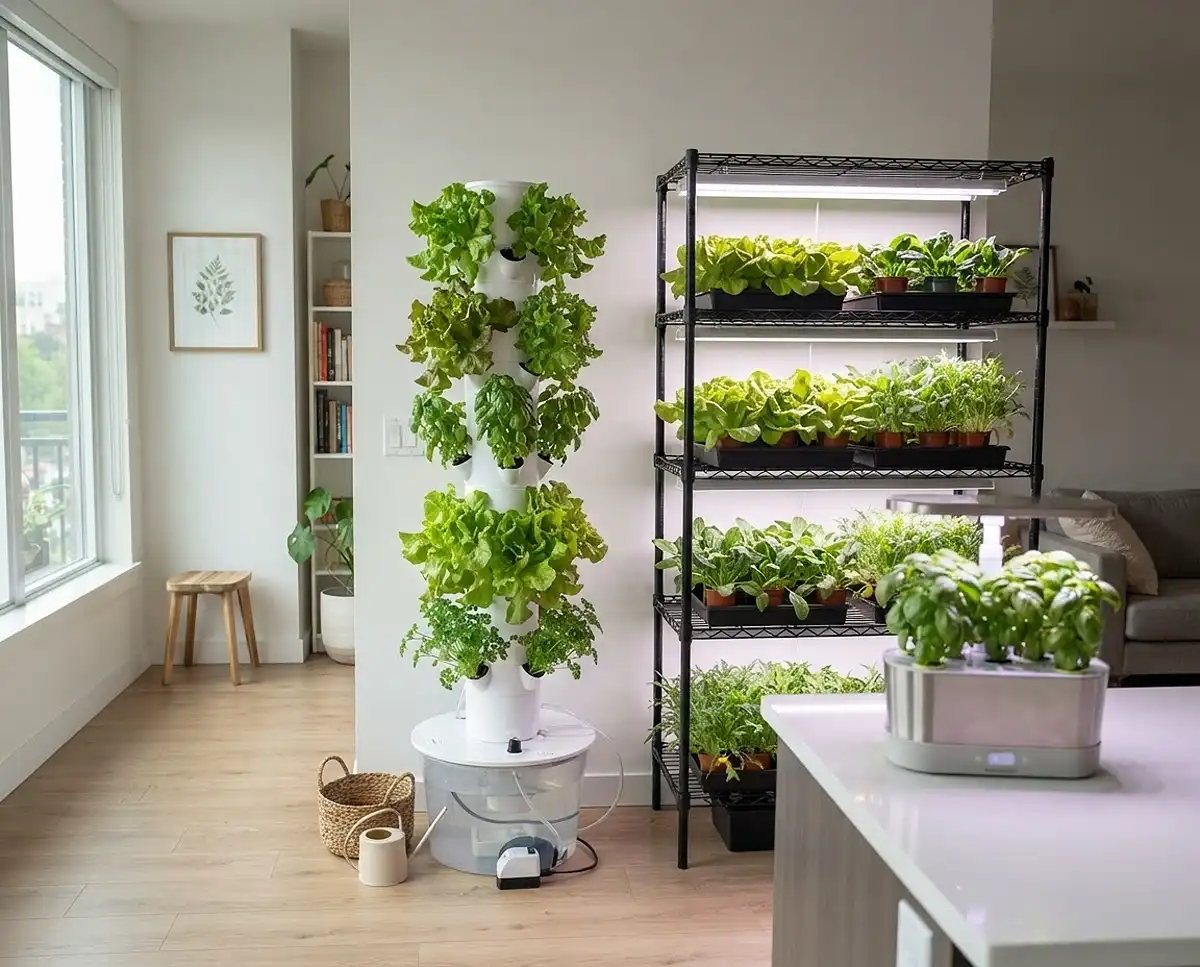
Small space gardening systems let you harvest fresh greens, herbs, and even tomatoes 365 days a year, no matter how tiny your apartment is. I grow year-round on a 40-square-foot north-facing balcony in zone 6b, and the right setup made all the difference.
Outdoor growing used to mean a hard stop every October. Not anymore. Between hydroponic towers, LED shelving, and smart countertop planters, tiny garden ideas have gotten genuinely good. As of late 2026, the tech is cheaper and more reliable than it was even two years ago.
This guide covers the systems worth your money, the crops that actually thrive in them, and the maintenance routine that keeps everything producing through January.
Table of Contents
Evaluating Your Small Space and Environmental Limits
Before buying anything, walk your space with a tape measure. Note your square footage, outlet locations, and how much natural light you actually get versus what you think you get. This audit determines which small space gardening systems make sense for you.
Indoor vs. Outdoor Year-Round Potential
Indoor setups guarantee winter survival because you control every variable, but you’ll need grow lights running daily. Outdoor balcony systems use free sunlight, which cuts your electric bill, but they need serious winter insulation below zone 7.
I tried skipping insulation on my balcony my first winter. Lost an entire tray of arugula to a single hard frost in November. Now I never go into December without a cold frame in place.
- Indoor: full climate control, requires grow lights, works in any zone
- Outdoor: free sunlight, needs insulation below zone 7, weather-dependent
- Hybrid: outdoor in summer, move containers indoors for winter (best of both, more labor)
Power Access and Ambient Temperature
Map every GFCI outlet near your growing area before you buy a single light. Grow lights and water pumps both need reliable power, and extension cords across a kitchen floor are a tripping hazard nobody needs.
Keep systems away from drafty windows and HVAC vents. A vent blowing hot dry air on my basil shelf once dried out three trays in a single afternoon. Now I keep all indoor setups at least 3 feet from any vent.
Top Small Space Gardening Systems for Continuous Yields
These are the setups I’ve tested personally or seen deliver consistent results for other urban gardening enthusiasts. Each fits a different budget and skill level.
Vertical Hydroponic Towers
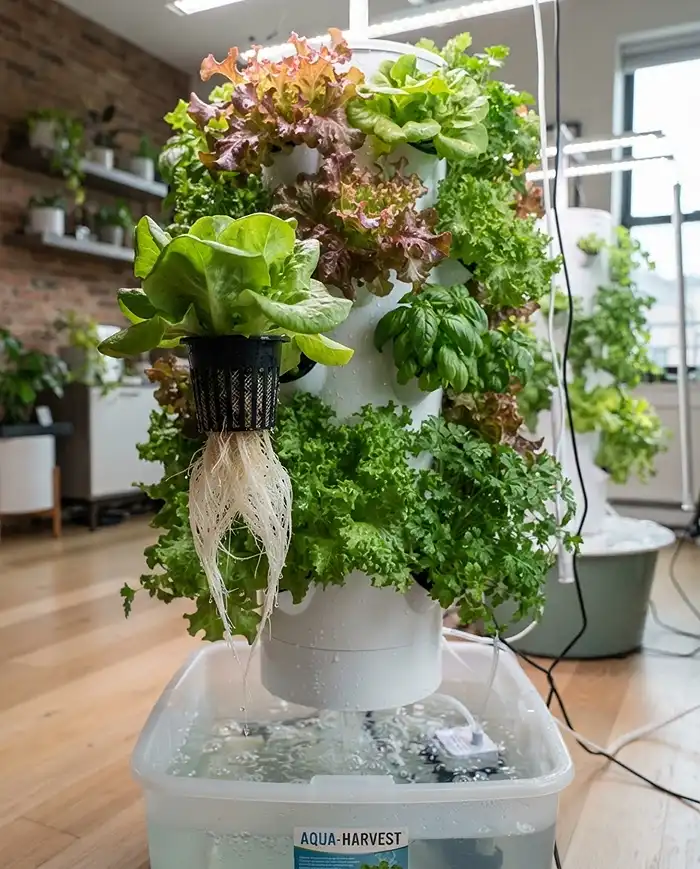
Quick Answer: Vertical hydroponic towers like the GreenStalk or Tower Garden stack growing pockets vertically, delivering water and nutrients straight to the roots for growth roughly 30% faster than soil.
These towers hold 20-50 plants in about 2 square feet of floor space. Water circulates from a base reservoir up through the column and drips back down, so roots get constant access to nutrients without waterlogging.
| System | Best For | Watch Out For |
|---|---|---|
| GreenStalk 5-tier | Herbs and small greens outdoors | No built-in pump; needs manual watering |
| Tower Garden | Indoor year-round with pump/light kit | Higher upfront cost, $500+ |
Real Example: My GreenStalk on the balcony grew a full flat of loose-leaf lettuce in 28 days last September, about a week faster than the same variety in containers.
Pro Tip: Rotate the tower a quarter turn every few days if it’s not getting even light, or one side will lag noticeably behind the other.
Smart Countertop Gardens
Quick Answer: Smart countertop gardens like AeroGarden or Click & Grow run built-in LED hoods and automatic watering timers, making them the easiest entry point for continuous herb harvests in a tiny kitchen.
- Footprint: roughly 10×20 inches, fits any counter
- Automatic light timer, usually preset to 16 hours on / 8 off
- Water reservoir alerts when it needs a refill, typically every 1-2 weeks
Real Example: I keep an AeroGarden Harvest running basil and thyme on my kitchen counter year-round. It’s produced continuously since I set it up in spring 2025, with zero troubleshooting needed.
Pro Tip: Skip the basic seed pods after your first cycle and buy grow sponges separately. It’s a fraction of the cost for the same result.
Tiered LED Grow Light Shelving Units
Quick Answer: A standard wire shelving rack with full-spectrum LED shop lights zip-tied under each shelf turns into a compact indoor farm that holds dozens of soil-based pots.
This is the budget option for serious volume. A 4-tier, 48-inch wide rack with four LED shop light fixtures runs about $300-400 total, far less than an equivalent hydroponic setup.
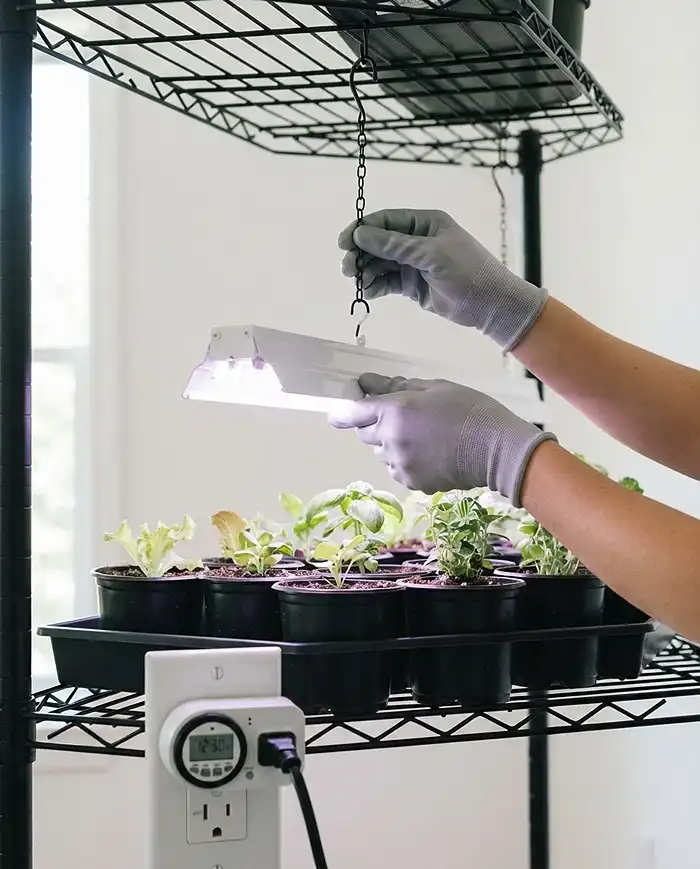
Real Example: I built mine from a $60 NSF-rated wire rack and four 4-foot LED shop lights on chains. It holds 24 four-inch pots and has run every winter since 2023 without a single bulb failure.
Pro Tip: Use chain and S-hooks instead of fixed mounts so you can raise lights as seedlings grow, rather than buying new fixtures later.
Balcony Cold Frames and Mini Greenhouses
Quick Answer: Compact zip-up greenhouses or polycarbonate cold frames trap daytime radiant heat, letting balcony growers overwinter cold-hardy crops like spinach and kale without moving indoors.
These structures work by trapping solar heat during the day and releasing it slowly overnight, buying you roughly one USDA zone of protection. In zone 6b, that’s often enough to keep kale alive through January.
Pro Tip: Vent the cold frame on any sunny day above 45°F, or the interior can spike past 100°F and cook your seedlings.
Best Crops for Year-Round Small Space Harvesting
Not every plant adapts well to confined roots and artificial light. Stick to compact, fast-maturing genetics bred for exactly this kind of restrictive environment.
Fast-Maturing Leafy Greens and Microgreens
Loose-leaf lettuce, arugula, and microgreens are the backbone of any indoor setup. These shallow-rooted crops thrive under LED lights and handle the cut-and-come-again method well, meaning you snip outer leaves and let the plant keep producing.
- Loose-leaf lettuce: harvest in 25-30 days, ready again in 10-14
- Arugula: harvest in 21 days, fast regrowth after cutting
- Microgreens: full harvest in 7-14 days, one-time cut
High-Yield Herbs and Dwarf Fruiting Vegetables
Dwarf cultivars like ‘Micro Tom’ cherry tomatoes and ‘Lunchbox’ peppers were bred specifically for confined roots and adapt seamlessly to hydroponic net cups. Pair them with perennial basil and mint, which both handle LED conditions well.
‘Micro Tom’ tops out around 8 inches tall but still produces a real harvest of cherry tomatoes in 60-70 days, which is the whole appeal for tiny garden ideas focused on fruiting crops.
Step-by-Step Setup for Your Continuous Harvest System
Once you’ve picked a system, the setup process is largely the same across hydroponic towers and LED shelving. Follow this order to avoid having to redo steps.
- Assemble the frame or shelving unit fully before adding any plants or water
- Mount and calibrate LED grow lights to a 14-hour on/off daily timer
- Mix your nutrient reservoir (hydroponic) or lightweight potting soil (containers)
- Transplant seedlings that already have 2-3 true leaves for the fastest establishment
- Log your start date so you know exactly when to expect first harvest
Check out our guide on matching light and space to your setup if you’re still deciding between systems.
Maintenance Routines for Four-Season Gardening
Indoor and automated systems grow fast, which means they also need more frequent attention than a traditional outdoor bed. Build these checks into a weekly routine.
Managing Water Reservoirs and Hydroponic Nutrients
Check pH weekly and keep it between 5.5 and 6.5 for most vegetables. Top off the reservoir as needed, and do a full flush monthly to prevent salt buildup, which will eventually burn root tips if ignored.
For a deeper technical breakdown of pH ranges and nutrient timing, University of Minnesota Extension’s hydroponics guide is a solid reference.
Successional Planting and Harvesting Schedules
Start a new seed tray every two weeks in a separate nursery space. This successional sowing means a replacement plant is always ready the moment you pull an older one out of the system, so you’re never staring at an empty tower.
I keep a small tray of lettuce seedlings going on my kitchen windowsill purely as backup stock. It’s saved me from gaps in the GreenStalk more than once.
Common Problems & Solutions
Small-space, high-tech setups fail in predictable ways. Here’s how to spot and fix the two most common issues fast.
Algae and Mold in Indoor Systems
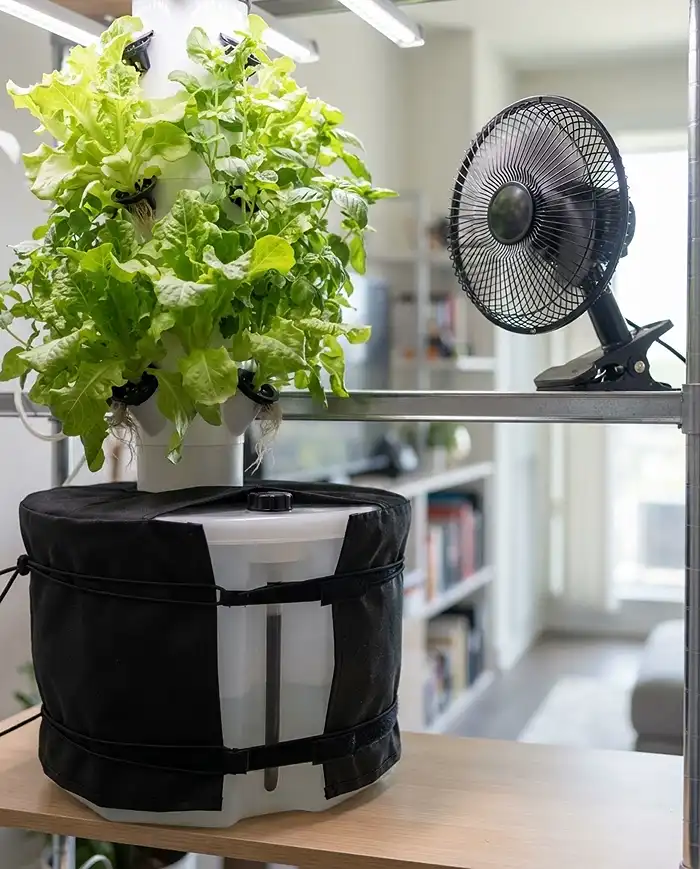
Damp soil, standing water, and warm indoor air are a recipe for algae and powdery mildew. Increase airflow with a small oscillating fan and block light from hitting any exposed reservoir water, since algae needs light to grow.
I had green algae coating my first reservoir within three weeks of setup. Wrapping the tank in a black trash bag to block light solved it completely within days.
Leggy Plants and Insufficient Lighting
Pale, stretching stems reaching toward the light source is called etiolation, and it’s your plant telling you the light is too far away or too weak. Lower your adjustable LED hood so it sits a strict 2 to 4 inches above the plant canopy.
See our container garden productivity guide for more troubleshooting on light placement.
small space gardening systems FAQs
Can I grow tomatoes year-round in a small space?
Yes. Select determinate micro or patio varieties like ‘Micro Tom’ and place them under full-spectrum LED grow lights for 14 to 16 hours daily. Standard beefsteak varieties are too large for most indoor small-space systems.
Do hydroponic systems consume a lot of electricity?
No. Modern LED lighting and low-wattage submersible pumps typically cost only a few dollars a month to run, making hydroponic systems a cost-effective way to produce food indoors year-round.
How do I pollinate indoor fruiting vegetables without bees?
Gently shake tomato or pepper stems daily, or use a soft electronic toothbrush against the back of the flowers. Either method vibrates pollen loose and ensures fruit set without needing pollinators.
How much does a small space gardening system cost to start?
Countertop smart gardens start around $80-100. DIY LED shelving runs $300-400. Hydroponic towers with lights and pumps typically cost $400-600 for a full indoor setup.
What’s the easiest system for a complete beginner?
A smart countertop garden like AeroGarden or Click & Grow is easiest. The built-in timer and watering alerts remove nearly all the guesswork, making it ideal for a first year-round harvest.
Conclusion
The best small space gardening systems come down to your budget, your available light, and how hands-on you want to be. Countertop gardens are the easiest start; LED shelving offers the best value for volume.
Whatever you choose, pair it with fast-maturing crops and a successional planting habit, and you’ll have fresh harvests through every season. Read our year-round small space gardening guide for more seasonal planning tips.
Key Takeaways
- Small space gardening systems now make true year-round harvests possible in any apartment, regardless of climate zone
- Match your system to your space: countertop gardens for beginners, LED shelving for volume, hydroponic towers for speed
- Fast-maturing crops like loose-leaf lettuce and dwarf tomato varieties perform best under artificial light
- Weekly reservoir checks and successional planting every two weeks keep harvests continuous
- Budget $80 for a countertop starter kit up to $600 for a full indoor hydroponic setup